
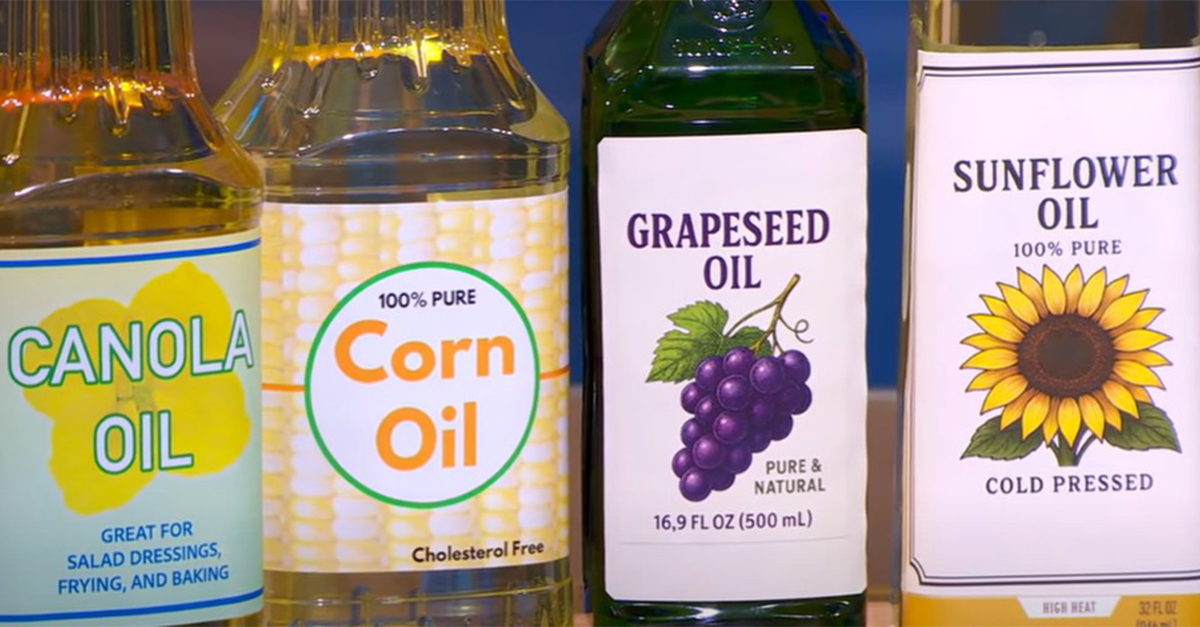
Seed oils have turned into a noisy hot-button issue in the world of nutrition and wellness. Once believed to be healthy staples for any kitchen, oils like canola, sunflower, soybean, and corn oil have come under a lot of critical scrutiny. Are they harmful, or is their reputation just a victim of internet hype? Let’s take a look at what science currently has to say about seed oils.
What Are Seed Oils?
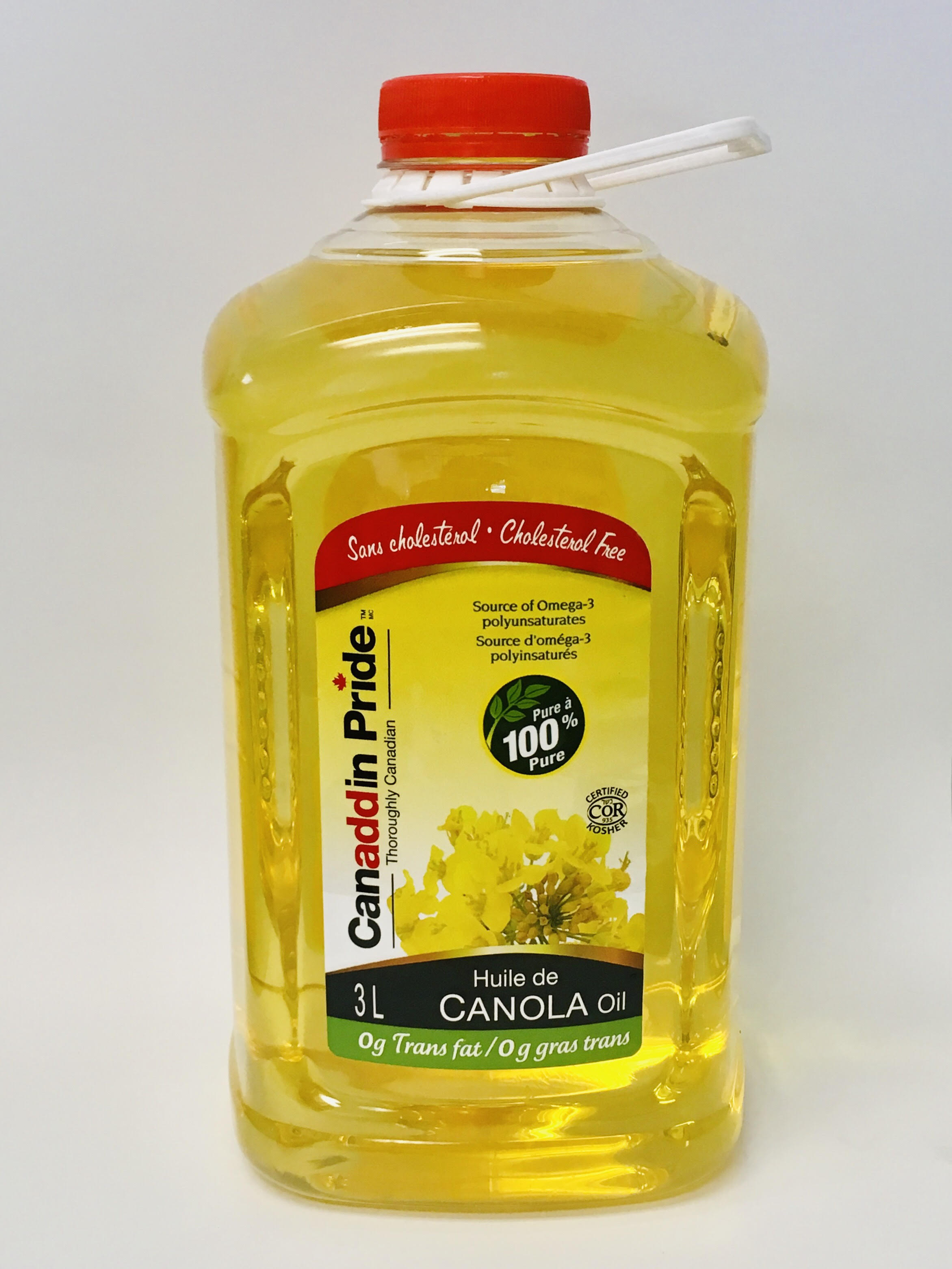
Seed oils are vegetable-based oils extracted from the seeds of plants like sunflowers, soybeans, cottonseeds, and rapeseed (used to make canola oil). They’re commonly used for cooking, frying, and for most processed foods. Their high smoke points and low cost make them popular in home kitchens, restaurants, and industrial food preparation.
 Achilles2019, Wikimedia Commons
The Main Sticking Point
The biggest worries about seed oils center on their fat composition and how they’re processed. Seed oils are high in polyunsaturated fats, especially omega-6 fatty acids. Excess omega-6 can contribute to inflammation in the body. To make matters worse, many of these oils are extracted using chemical solvents and they undergo a heavy refining process that makes them unhealthy, according to critics.
Polyunsaturated Fats: Are They The Real Enemy?
It's true that omega-6 fats can promote inflammation when eaten in large amounts, but they’re still essential for health. The real issue to pay attention to is the ratio of omega-6 to omega-3 fats in your diet. Instead of eradicating seed oils from your diet, many experts advise balancing your fat intake with more omega-3s, like those found in flaxseed, walnuts, and fatty fish.
Processing And Oxidation
Some seed oils go through processing that entails bleaching and deodorizing. This could strip away beneficial nutrients and maybe even produce small amounts of harmful compounds. Bear in mind that most oils are safe when used in moderation. The real problem arises when oils are reused at high heat, as is often the case in deep fryers, where repeated heating can produce toxic oxidation molecules.

Use This Oil In Moderation
Nutrition experts like those at the American Heart Association insist that replacing saturated fats like butter with polyunsaturated fats from seed oils can help lower cholesterol and reduce heart disease risk. The World Health Organization and Harvard Health also say that moderate consumption of refined seed oils is broadly okay. The key is in moderation, and not total elimination.
Whole Food Alternatives And Proper Cooking
If you don’t want to use heavily processed oils, try cold-pressed or expeller-pressed versions. These retain more nutrients and don’t go through all that harsh chemical processing. You can also cook with extra virgin olive oil, avocado oil, or even eat whole foods like nuts and seeds to get some healthy fats in your meals.
What To Stay Away From
Where seed oils are really problematic is in ultra-processed foods. A lot of packaged snacks, baked goods, and frozen meals lean heavily on these oils, often with a lot of extra sugar and salt. If you’re sincere about wanting to cut back on your seed oil intake, start by lowering your intake of processed foods instead of pointing the finger of blame at the oils themselves.

Scientific Consensus
Seed oil skepticism is driven partly by online influencers and alternative health advocates. It’s important to be skeptical of food trends, but it's also just as important to rely on properly sourced science and nutrition information rather than internet rumors. Experts generally agree that seed oils are not inherently dangerous when eaten in moderate amounts as part of a healthy diet.
Maintaining A Balance
There’s no need to fear seed oils, but there’s also no harm in being mindful of how you use them. Prioritize whole foods, avoid overheating oils during cooking, and aim for a balanced intake of omega-6 and omega-3 fats. As with most aspects of nutrition, the truth lies somewhere between the extremes.
You May Also Like:
Best Daily Supplements For Good Health
The Gut-Brain Connection: Why Healthy Digestion Is Important