
Dieting has traditionally focused on calories, fat grams, and food guides. But in recent years, a change has gone on in wellness science, and it starts right in your gut. A growing body of research on the human microbiome is forcing us to rethink everything we took for granted about nutrition, metabolism, and even our mental health. The key to better health is perhaps not in how much you eat, but in what you feed your gut bacteria.
The Microbiome: What Is It?
Your microbiome is the vast community of trillions of microbes: bacteria, viruses, and fungi that live in your body, primarily in your gut. These organisms are not pests, but essential partners in your health. They help us digest food, keep the immune system functioning, produce vitamins, and even signal your brain through the gut-brain axis. Every person’s microbiome is genetically unique to them, the same way that a fingerprint is.

Gut Health: Digestion And Beyond
We’re accustomed to thinking that the gut just breaks down food. Scientists now know the gut has a place in everything from inflammation to hormone regulation. An imbalanced microbiome has been linked to a whole range of conditions like obesity, depression, autoimmune disease, and irritable bowel syndrome. What you eat is critical to this fine balance.
Fiber Is The Key
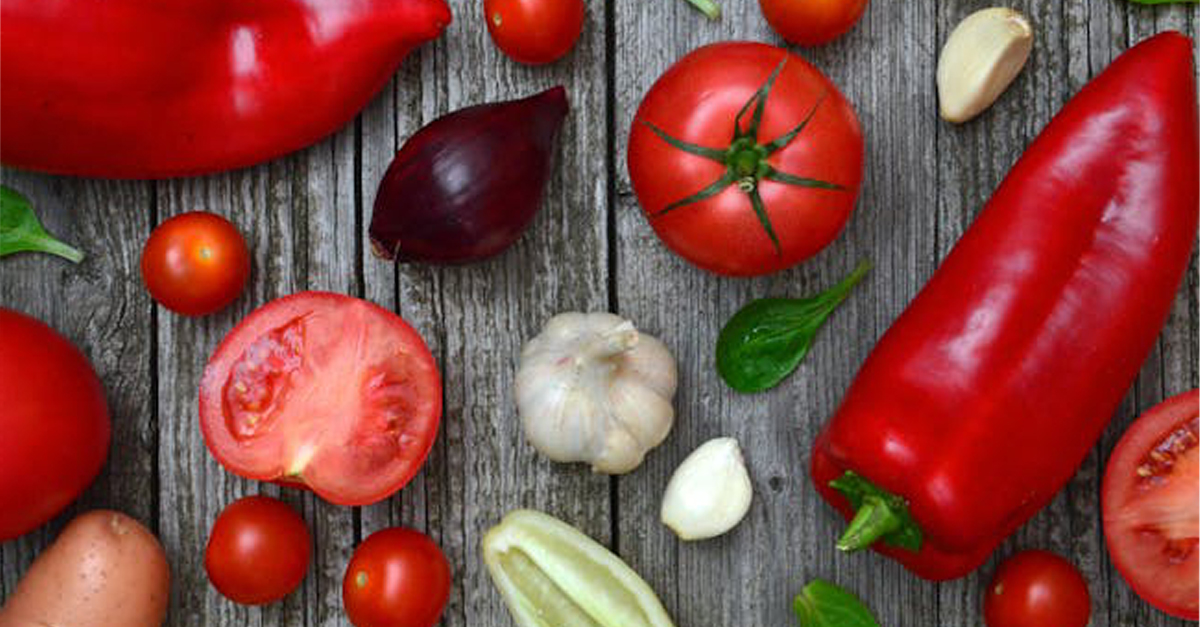
Forget keto and counting macros. If you want to keep your gut happy, fiber is the place to start. Dietary fiber, especially prebiotic-rich foods like onions, garlic, leeks, and oats, feed the good bacteria in your colon. When these microbes ferment fiber, they generate short-chain fatty acids like butyrate, that reduce inflammation and support the gut lining. Most Americans don’t get enough fiber, and our guts are paying a heavy price as a result.
Probiotics: Not A Cure-All
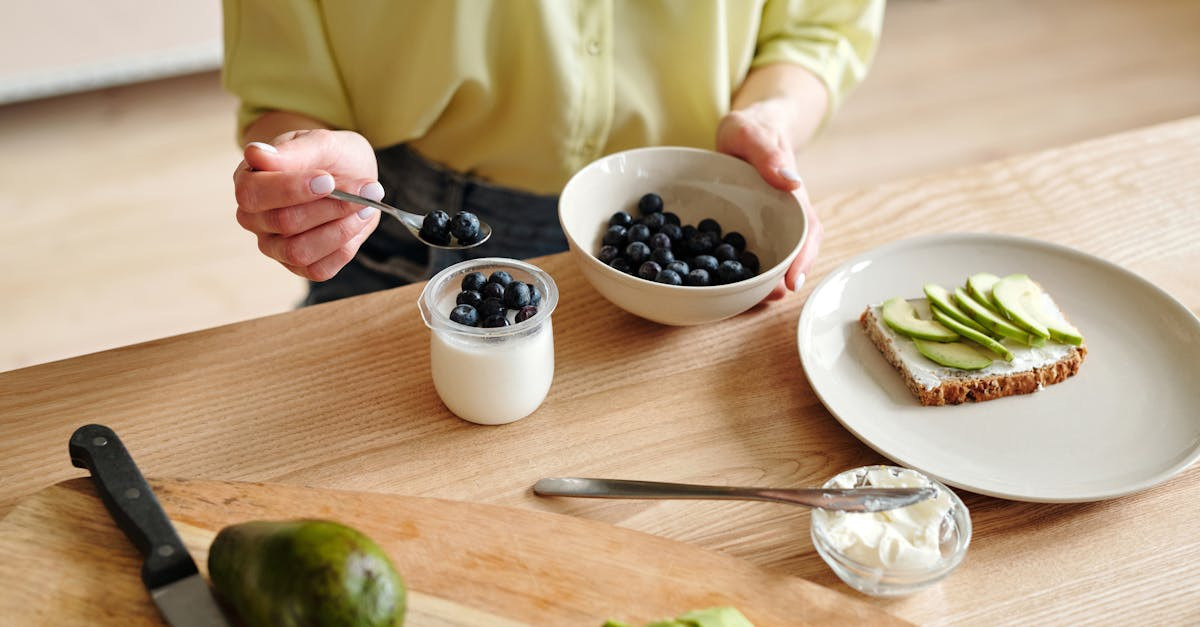
Probiotic supplements have become incredibly popular, but they’re not a magic pill. Yogurt or a capsule might help some people but be of no help to others. The benefits of probiotics depend on your microbiome. Rather than concentrate on one strain, experts say you should build microbial diversity through a varied diet of fermented foods like kimchi, kefir, and miso.
The Gut-Brain Dialogue
The gut-brain axis is an amazing discovery of modern nutrition. Your gut microbes give off neurotransmitters like serotonin and GABA, that influence your mood, stress response, and cognitive function. This explains why gut imbalances are so often associated with anxiety and depression, and why improving gut health could be part of the foundation of emotional well-being.
Food Sensitivities May Be Traced Back To The Gut
If you’ve suddenly developed a food intolerance, your microbiome could very well be involved. A disrupted gut lining, sometimes called “leaky gut”, can allow undigested particles to get into the bloodstream, setting off an immune response. Anti-inflammatory foods, stress reduction, and judicious consumption of probiotics can take the edge off these sorts of symptoms over time.

A Nutrition Plan That Works For You
One-size-fits-all diet advice is getting to be more and more outdated. Microbiome testing kits can give you a personalized profile of your gut health. While the science is still in development, these insights may help you customize your diet to your specific microbial makeup. It’s not just about healthy eating, but defining what specific foods are healthy for you personally.
The Building Blocks Of A Healthy Microbiome
Start by adding some variety to your diet. Try to eat 30+ different plant-based foods per week. This includes fruits, vegetables, legumes, nuts, seeds, and whole grains. Avoid highly processed foods, refined sugar, and artificial sweeteners, as these work against microbial diversity. Also don’t underestimate the importance of sleep, exercise, and stress: your gut reacts to all of these factors.
You May Also Like:
The Gut-Brain Connection: Why Healthy Digestion Is Important
Best Daily Supplements For Good Health