
When A Bad Day Turns Into A Shopping Spree
Everyone knows the feeling. You have a terrible day at work, an argument with someone you love, or a stressful week that refuses to end, and suddenly buying something new seems like the perfect solution. Retail therapy might sound like an excuse to spend money, but psychologists have discovered there are legitimate reasons shopping can make us feel better. Unfortunately, the same psychological mechanisms that make shopping comforting can also turn it into an expensive habit that's difficult to break.
 Roman Samborskyi, Shutterstock
The Surprisingly Powerful Appeal Of Retail Therapy
Retail therapy refers to shopping with the intention of improving your emotional state, rather than simply purchasing something you need. Researchers have found that people sometimes buy treats for themselves specifically to counteract negative feelings. A 2011 study published in Psychology & Marketing found evidence that these purchases can improve mood without necessarily producing the guilt or regret people might expect. However, understanding why shopping feels rewarding is essential to recognizing when that behavior becomes financially dangerous.

Your Brain Loves A Little Shopping Spree
Shopping can activate the brain's reward system, which helps explain why browsing stores or scrolling through products feels exciting. Psychologist Susan Albers of the Cleveland Clinic explains that dopamine, a chemical involved in motivation and reward, plays a role in the anticipation associated with shopping. Interestingly, the pleasurable feelings can begin before a purchase actually happens. That means part of retail therapy's appeal comes from looking forward to something rather than owning it.

Sometimes It's About Taking Back Control
One of the most fascinating explanations for retail therapy has little to do with material possessions. Research published in the Journal of Consumer Psychology in 2014 found that making shopping decisions can help reduce lingering sadness by restoring a sense of personal control. When life feels unpredictable, deciding what to buy gives people an opportunity to exercise their independence. That simple act of choosing can feel reassuring when other circumstances seem beyond their control.

Researchers Actually Tested This Theory
University of Michigan researchers Scott Rick, Beatriz Pereira, and Katherine Burson conducted three experiments examining the relationship between shopping decisions, sadness, and personal control. Their findings suggested that making choices while shopping could reduce sadness, even when those choices were hypothetical. The researchers also found that restoring personal control did not produce the same benefits for anger. In other words, retail therapy may work differently depending on the emotion someone is trying to manage.

The Purchase Isn't Always The Point
Here's an interesting twist: You don't necessarily have to spend money to experience some of retail therapy's psychological benefits. According to the Cleveland Clinic, browsing products, imagining purchases, and even filling an online shopping cart can create positive anticipation. The brain can respond to the possibility of a reward before that reward arrives. For someone trying to save money, this suggests that enjoying the browsing experience without checking out might offer a less expensive alternative.

We Love Imagining Our Better Future Selves
Shopping often involves imagining how life might improve after acquiring something new. A new outfit can inspire thoughts about feeling more confident, while home furnishings might make someone picture a more comfortable living space. Cleveland Clinic psychologist Susan Albers identifies this kind of positive visualization as one reason retail therapy can improve mood. The pleasant anticipation can be genuine, even though buying the product cannot guarantee the imagined transformation.

A Bad Mood Can Make Treats More Tempting
Retail therapy is not always a completely thoughtless response to stress. Researchers A. Selin Atalay and Margaret Meloy found that negative moods increased purchases of unplanned treats, but they also observed that consumers could deliberately use those purchases to improve their emotional state. Participants were sometimes capable of restraint when restraint itself served their mood-related goals. The findings challenge the assumption that every emotionally motivated purchase involves a total loss of self-control.
 https://kaboompics.com/, Pexels
The Happiness Can Actually Last
It would be easy to assume that retail therapy produces a few minutes of excitement followed immediately by regret. However, Atalay and Meloy's research found positive effects on mood that persisted beyond the immediate shopping experience. Their findings also indicated that guilt and regret were not necessarily associated with the unplanned purchases used for mood repair. This doesn't establish that shopping provides permanent happiness, but it does show why the behavior can feel genuinely helpful.

Not Every Shopping Trip Is A Problem
Enjoying an occasional purchase is not the same thing as experiencing compulsive shopping behavior. The Cleveland Clinic distinguishes ordinary shopping and manageable indulgences from patterns involving loss of control or significant negative consequences. Someone who occasionally buys an affordable treat after a difficult week is not automatically demonstrating a mental health problem. The more important questions concern whether shopping is controllable, whether it interferes with everyday life, and whether the person can afford it.

The Trouble Starts When Shopping Becomes Your Escape
Retail therapy becomes more concerning when buying things turns into someone's primary response to uncomfortable emotions. The Cleveland Clinic warns that repeatedly relying on shopping to cope with anxiety, stress, or loss can contribute to problematic behavior. Instead of addressing the source of distress, the person may repeatedly seek relief through another purchase. That's when a seemingly harmless habit deserves a closer examination.

Online Shopping Makes Temptation Harder To Avoid
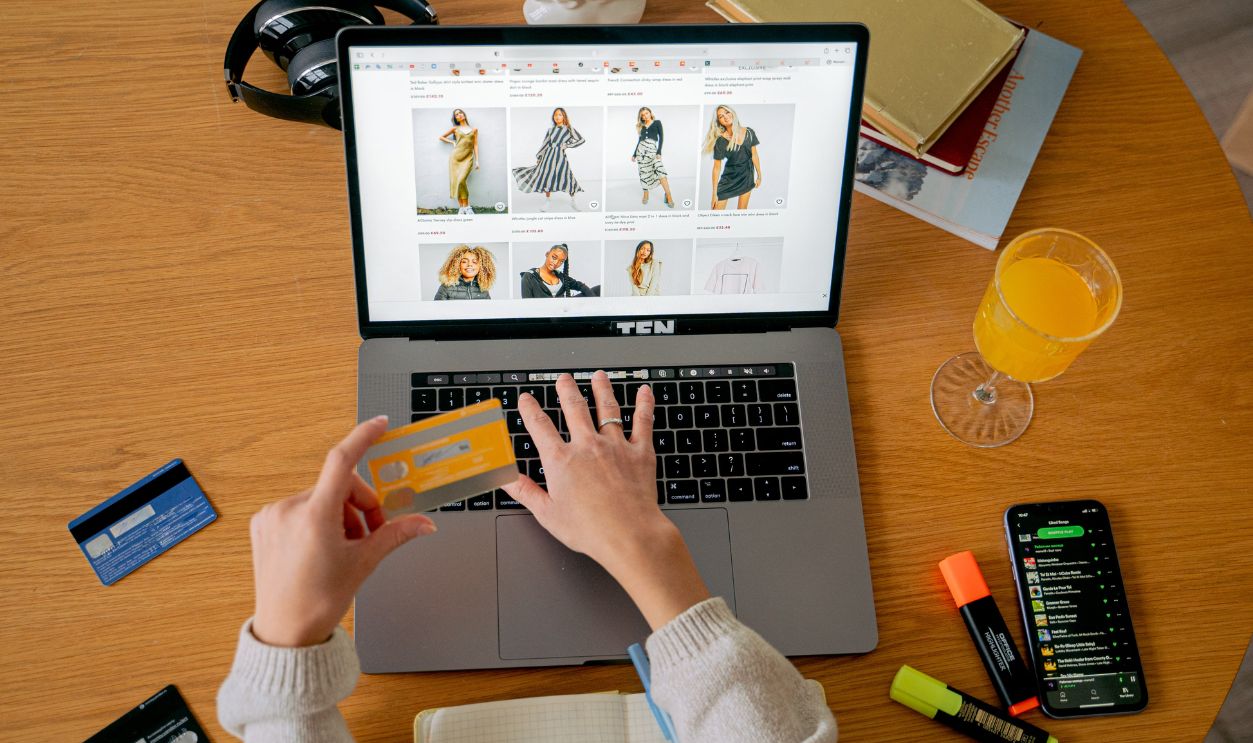
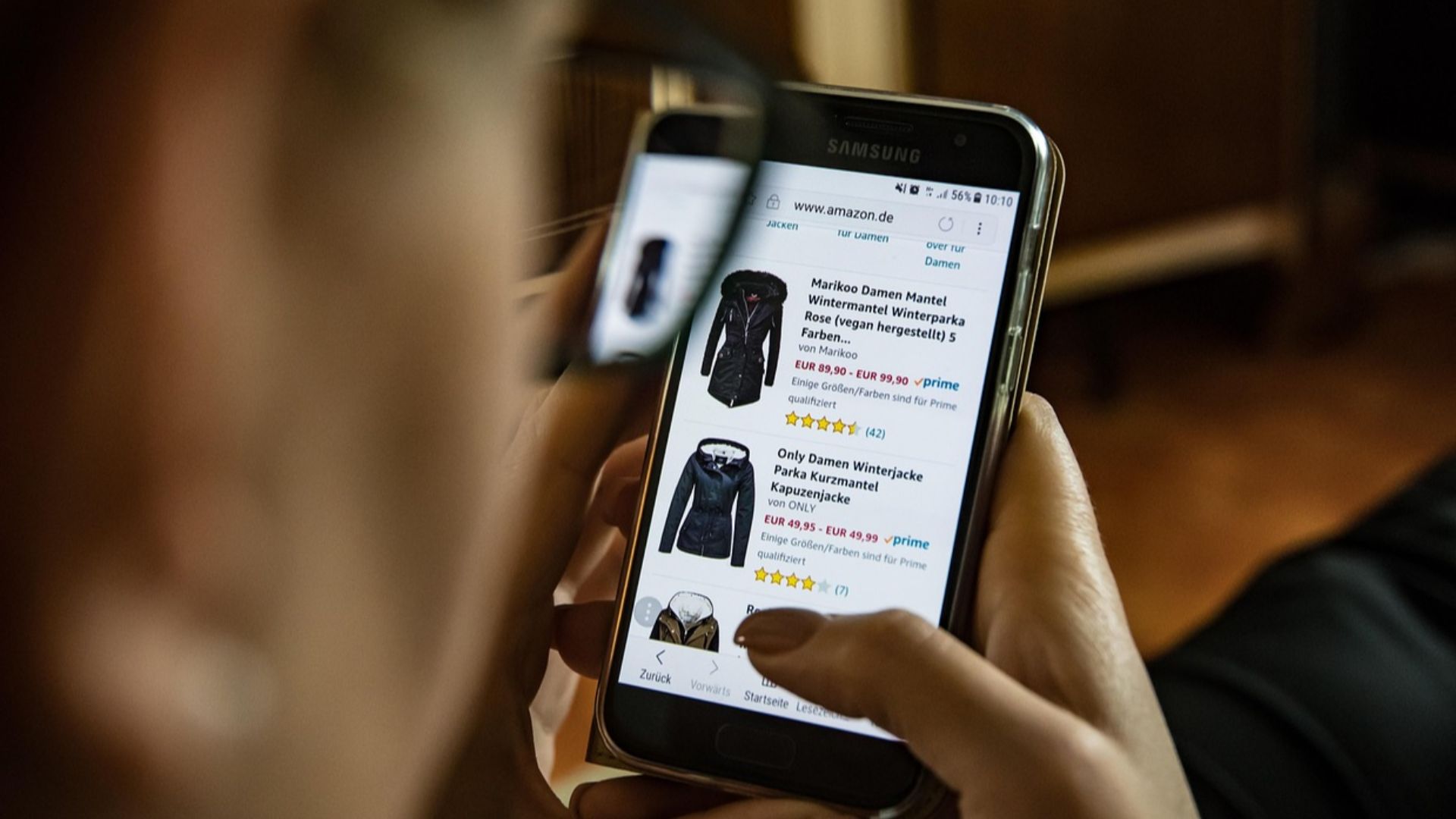
Retail therapy no longer requires a trip to the mall or even leaving the couch. Online retailers, shopping applications, and social media have made it easier to browse and buy products whenever the mood strikes. The Cleveland Clinic notes that these developments have created more opportunities for impulse purchases. When shopping is available almost constantly, setting deliberate boundaries becomes particularly important for anyone prone to emotional spending.

Some Online Stores Are Designed To Pressure You
Not every online shopping experience gives consumers the breathing room they need to make thoughtful decisions. The Federal Trade Commission has documented digital design tactics, commonly called dark patterns, that manipulate purchasing decisions through misleading information or confusing interfaces. Examples include deceptive countdown timers, disguised advertisements, and hidden charges. Recognizing these tactics can help shoppers separate their genuine desires from pressure created by a retailer's website.
That Limited-Time Deal Might Not Be Real
A countdown clock or message warning that a product is almost gone can make an ordinary purchase feel urgent. The FTC has specifically identified misleading urgency tactics, including timers that reset or promotions falsely presented as temporary. These designs can push customers toward quick decisions without giving them sufficient time to compare alternatives. When a retailer insists that you must act immediately, checking whether the offer is genuine is often worth the effort.
When Shopping Starts To Feel Uncontrollable
Compulsive shopping involves more than enjoying stores or occasionally purchasing unnecessary items. According to the Cleveland Clinic, warning signs can include buying things that never get used, hiding purchases, lying about spending, and feeling unable to stop shopping. These behaviors can be accompanied by financial difficulties and emotional distress. The distinction between ordinary retail therapy and compulsive buying lies largely in the degree of control and the consequences of the behavior.

The Shame And Secrecy Are Warning Signs
One particularly concerning sign of compulsive shopping is attempting to conceal purchases from other people. The Cleveland Clinic identifies lying about spending, hiding merchandise, and misrepresenting prices as behaviors associated with unhealthy shopping patterns. These actions suggest that purchasing decisions may be creating emotional or financial consequences the shopper doesn't want to confront. When spending becomes something that must be hidden, it's worth asking whether the temporary happiness is worth the longer-term stress.

The Financial Consequences Can Sneak Up On You
Compulsive shopping can create serious financial problems, particularly when purchases take priority over essential expenses. Researchers reviewing compulsive buying disorder have identified substantial debt, relationship difficulties, and impaired everyday functioning among its potential consequences. The Cleveland Clinic also warns that using money intended for bills or other obligations can indicate an unhealthy shopping pattern. The financial danger isn't necessarily a single extravagant purchase, but rather a persistent inability to control spending.

Credit Cards Can Make Things Worse
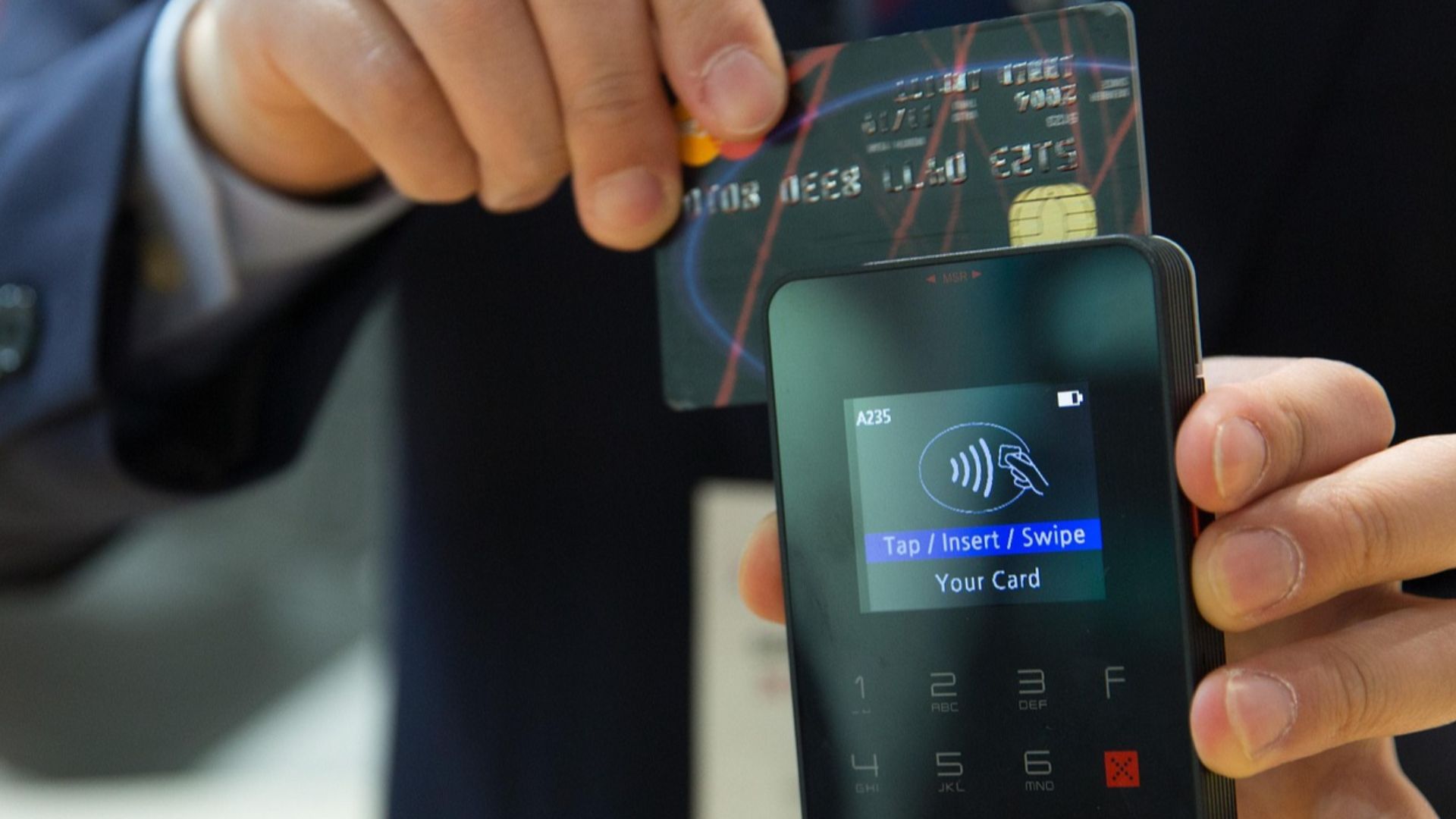
Credit cards can become particularly problematic when emotional purchases exceed what someone can comfortably repay. The Cleveland Clinic recommends restricting access to credit cards when compulsive spending is becoming difficult to control. One practical approach is to remove stored payment details from shopping websites and keep physical cards somewhere less convenient. Adding another step before checkout creates an opportunity to reconsider whether a purchase is necessary or emotionally motivated.
Buy Now, Pay Later Has Its Own Risks
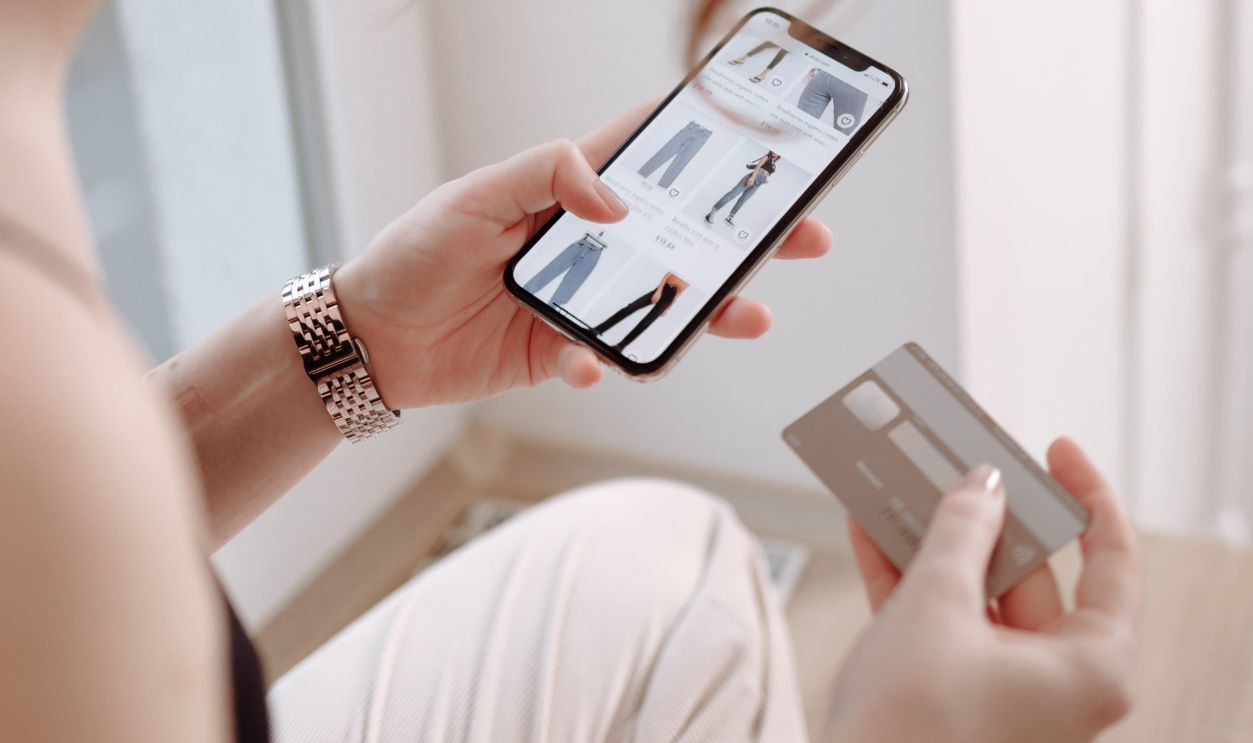
Buy now, pay later services can make purchases appear more affordable by dividing their costs into smaller payments. However, the Consumer Financial Protection Bureau warns that these arrangements can encourage borrowers to accumulate multiple financial obligations. Its research found that approximately 63% of buy now, pay later borrowers in its 2022 dataset originated multiple simultaneous loans at some point during the year. For someone already struggling with emotional spending, dividing purchases into installments may disguise how much money they've committed to spending.
Those Small Payments Can Become Big Problems
Although many buy now, pay later loans don't charge interest, that doesn't mean they're completely free of financial risks. The CFPB explains that late payments can trigger fees, while unsuccessful automatic withdrawals may result in additional bank charges. Missed payments can also lead to debt collection activity and potentially affect credit histories when reported. Before choosing an installment plan, consumers should consider the total purchase price and whether every scheduled payment fits within their existing budget.

Your Budget Should Include A Little Fun
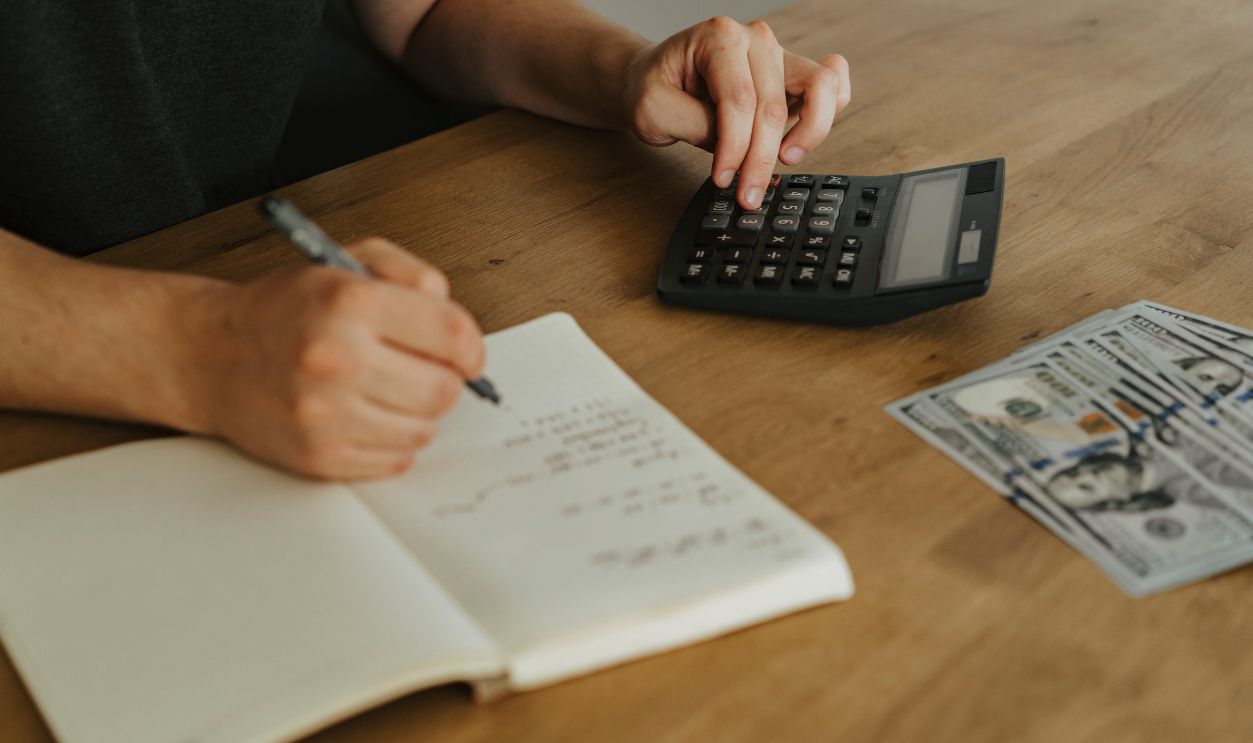
Trying to eliminate every unnecessary purchase isn't necessarily the most practical approach to managing retail therapy. The Cleveland Clinic acknowledges that occasional indulgences can be enjoyable and recommends establishing a budget to keep spending under control. A useful strategy is to assign a specific amount of disposable income to personal treats after essential expenses and savings goals have been addressed. That allows someone to enjoy shopping without treating every tempting purchase as financially acceptable.
Try The Pause-Before-Purchasing Rule
One of the simplest ways to control emotional spending is to avoid making purchases immediately after the urge appears. The Cleveland Clinic recommends pausing before checkout and reflecting on whether the item is genuinely needed. A practical extension is to establish a personal waiting period, such as 24 hours for smaller discretionary purchases and several days for expensive ones. The purpose isn't to prohibit shopping, but to allow enough time to distinguish a lasting desire from a temporary emotional reaction.

Know What Triggers Your Spending
Shopping urges can be connected to emotional experiences that have little to do with the products themselves. According to the Cleveland Clinic, stress, sadness, relationship difficulties, and major life changes can contribute to compulsive buying patterns. Tracking when the urge to shop appears can help identify whether certain situations repeatedly lead to unnecessary purchases. Once those triggers become easier to recognize, it becomes possible to develop other responses before opening a shopping application.

Make Impulse Shopping Less Convenient
Reducing opportunities for impulsive purchases can be more practical than relying entirely on self-discipline. The Cleveland Clinic recommends deleting shopping applications, restricting access to tempting websites, and reconsidering the convenience of mobile payment methods. Consumers can also unsubscribe from promotional emails or remove saved card information to create additional barriers to spontaneous checkout. These adjustments help make shopping a deliberate choice rather than something that happens almost automatically.

Keep An Eye On Where Your Money Goes
A budget is less useful when people rarely consult it before spending. Consumer Financial Protection Bureau research found that many people want to manage their finances but struggle to apply their budgets during actual purchasing decisions. The agency also found strong consumer interest in tools that provide immediate feedback about remaining spending limits. Reviewing transactions regularly and checking available discretionary funds before shopping can help prevent a series of individually small purchases from becoming a larger financial problem.

Find Another Way To Feel Good
Shopping doesn't have to be the only activity someone turns to when they're feeling overwhelmed. The Cleveland Clinic recommends experimenting with alternative coping strategies, including exercise, creative activities, and mindfulness practices. Spending time with other people without making purchases can also provide an enjoyable alternative to a shopping trip. Developing several ways to manage difficult emotions reduces the pressure on shopping to provide relief every time something goes wrong.

Saving Up Can Be Rewarding Too
Here's another useful insight from retail therapy research: The anticipation of a reward can be pleasurable even before the reward arrives. Cleveland Clinic psychologist Susan Albers suggests saving toward a desired purchase instead of immediately charging it to a credit card. Working toward a planned treat allows someone to experience positive anticipation while maintaining greater control over their finances. It also creates an opportunity to decide whether the purchase still feels worthwhile after the initial excitement has passed.
Sometimes Professional Help Is Necessary
When shopping becomes difficult to control despite repeated attempts to change, professional support may be appropriate. A 2023 systematic review published in the Journal of Behavioral Addictions found that group cognitive behavioral therapy showed promising results for reducing compulsive buying-shopping symptoms, although researchers emphasized limitations in the available studies. Cognitive behavioral therapy focuses on identifying and changing unhelpful thought patterns and behaviors. Someone experiencing significant financial or emotional harm from compulsive shopping may benefit from speaking with a qualified mental health professional and seeking reputable financial counseling.

You Don't Have To Give Up Shopping Completely
The goal of managing retail therapy isn't necessarily to stop enjoying purchases or eliminate every indulgence. Research suggests that shopping can offer genuine emotional benefits, especially when making choices helps restore a sense of control. The important distinction is whether those benefits come at the expense of financial stability, personal relationships, or emotional well-being. With a realistic budget, greater awareness of emotional triggers, and healthier coping strategies, shopping can remain an occasional pleasure rather than becoming a source of stress.
 https://kaboompics.com/, Pexels
You May Also Like:
Things Americans Think Are Normal But No One Else Gets
The Hidden Cost Of Plastic: Why Reducing Use Is A Healthier Choice
Tips To Keep Your Pet Healthy And Save Money As Veterinary Costs Soar