
The Strange World Of Ancient Sleep
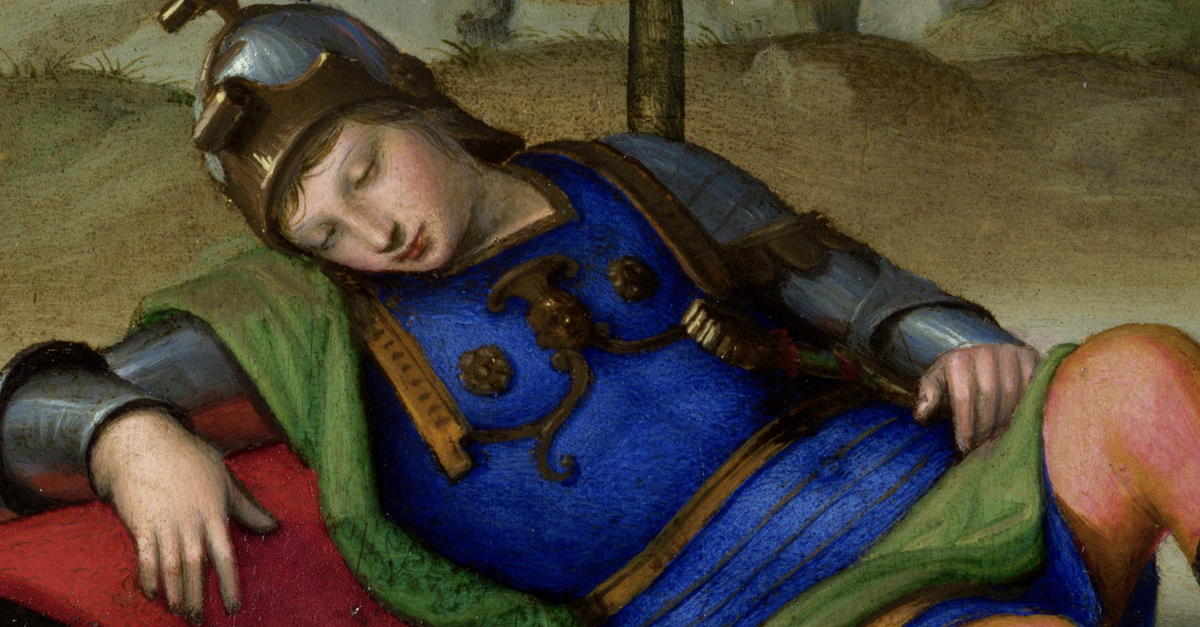
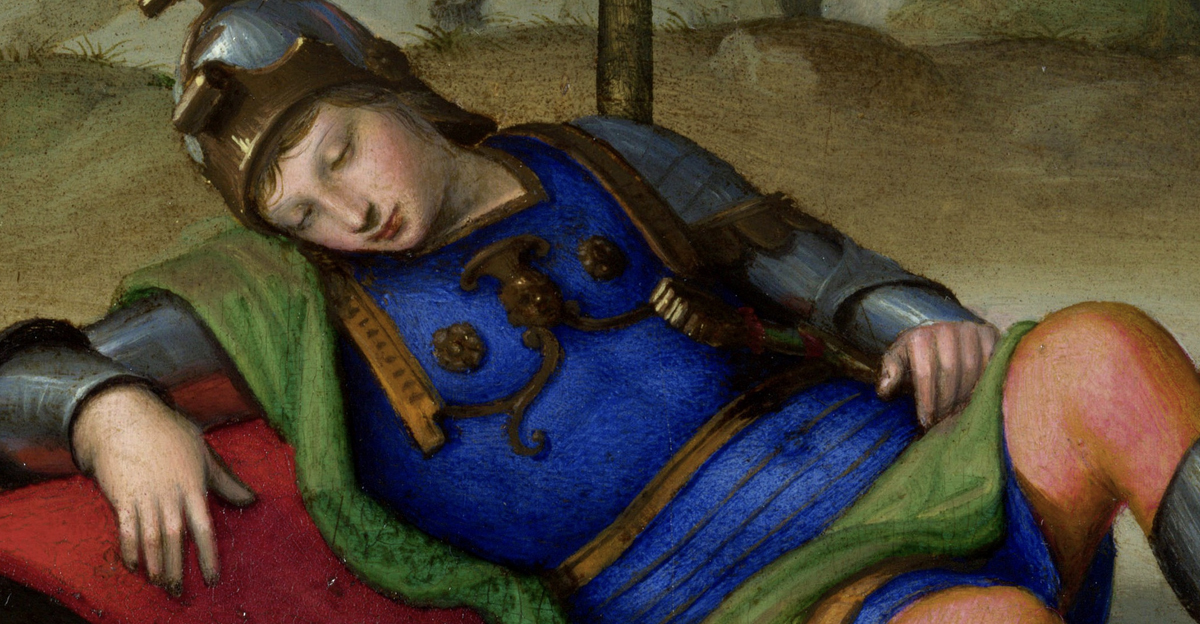
Imagine going to bed on a pile of grass, resting your neck on a wooden block, or sharing a mattress with complete strangers. For much of human history, sleeping arrangements looked nothing like the private bedrooms we take for granted today. From prehistoric caves to crowded medieval homes, the history of sleep is filled with surprising customs, unusual inventions, and some genuinely bizarre beliefs.
 National Gallery, London; Wikimedia Commons
The World's Oldest Beds Were Made Of Grass
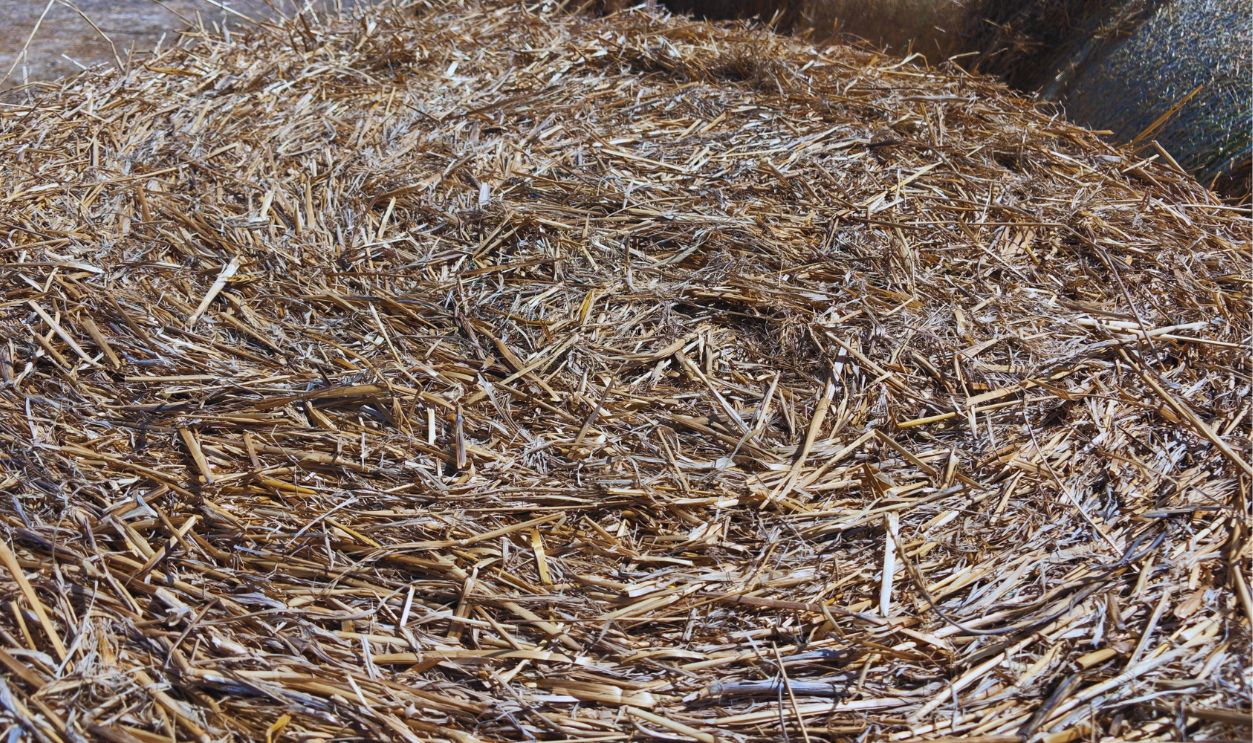
Long before mattresses and pillows existed, prehistoric humans were already making their sleeping spaces more comfortable. Archaeologists studying South Africa's Border Cave uncovered evidence of grass bedding dating back approximately 200,000 years. These ancient sleeping surfaces were made from bundles of grass placed over layers of ash, suggesting that even our distant ancestors cared about where they rested.
 Ekaterina Olshanetskaia, Shutterstock
Prehistoric People Had A Clever Trick For Fighting Bugs
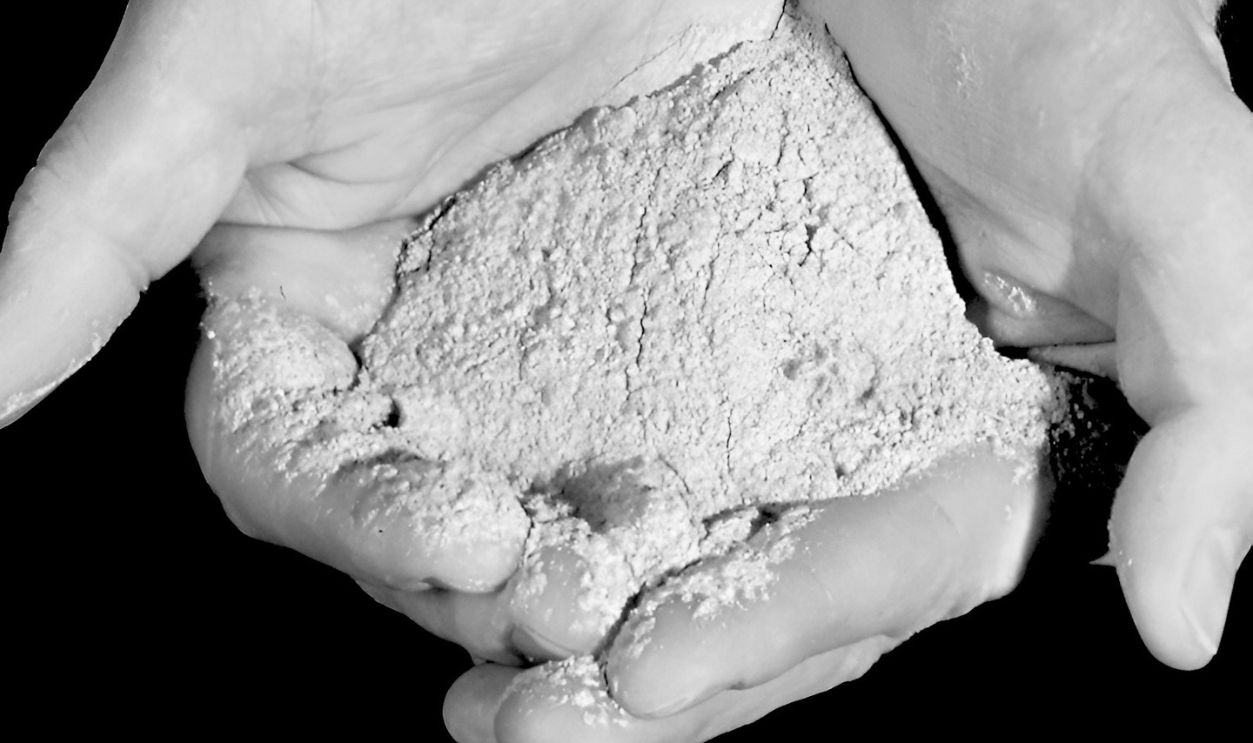
The ash beneath the bedding at Border Cave may have served a surprisingly practical purpose. Researchers believe its fine, powdery texture helped discourage crawling insects from disturbing people while they slept. The discovery suggests that prehistoric humans were dealing with one of history's most persistent bedroom problems long before anyone invented insect repellent.
 David E. Wieprecht, Wikimedia Commons
The First Bedrooms Were Hardly Private
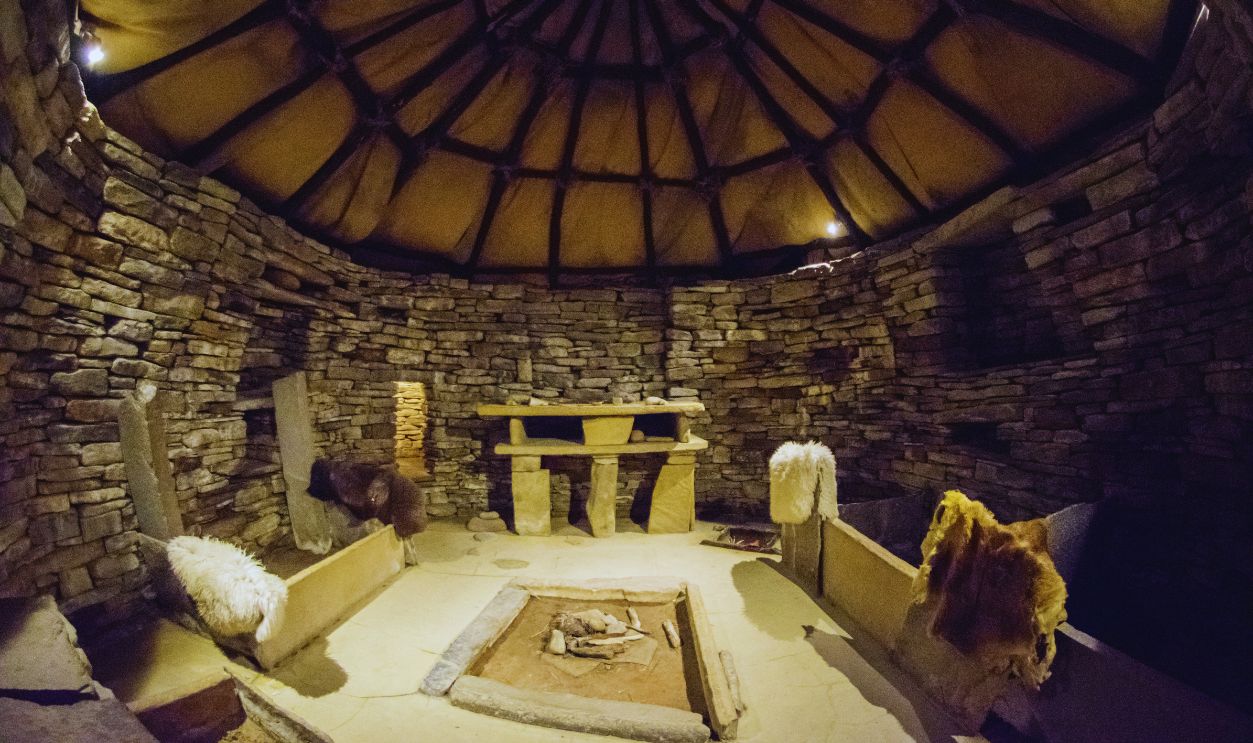
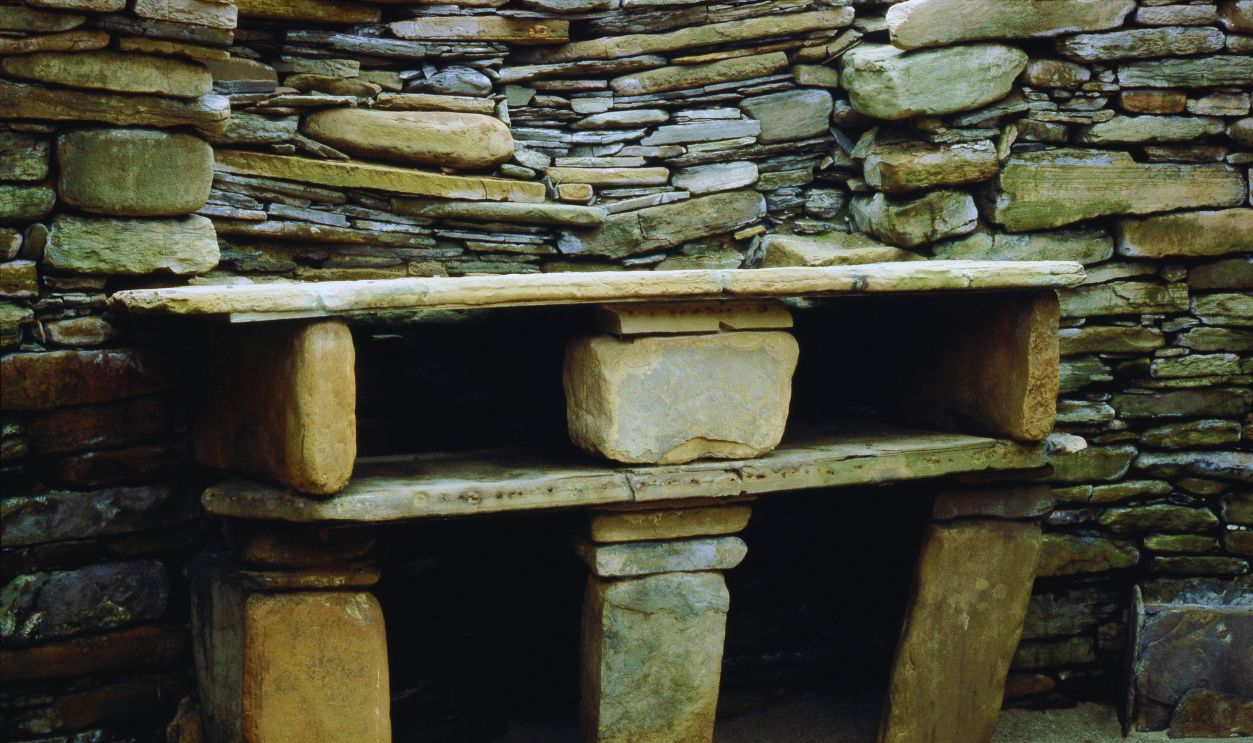
Fast-forward thousands of years, and sleeping arrangements were becoming more elaborate. At Skara Brae, a Neolithic settlement in Scotland's Orkney Islands, archaeologists discovered houses containing built-in stone furniture, including beds. These roughly 5,000-year-old homes generally consisted of a single main room, meaning sleeping, cooking, and other domestic activities took place in the same space.
 ullstein bild Dtl., Getty Images
Some Ancient Beds Were Literally Made Of Stone
The sleeping arrangements at Skara Brae would probably seem uncomfortable to anyone accustomed to a modern mattress. Each typical house contained two stone box-beds positioned around a central living area, alongside a hearth and other furnishings. Although the original soft bedding has not survived, the stone structures provide remarkable evidence of how carefully prehistoric families organized their homes.
Ancient Egyptians Had An Unusual Idea Of A Pillow
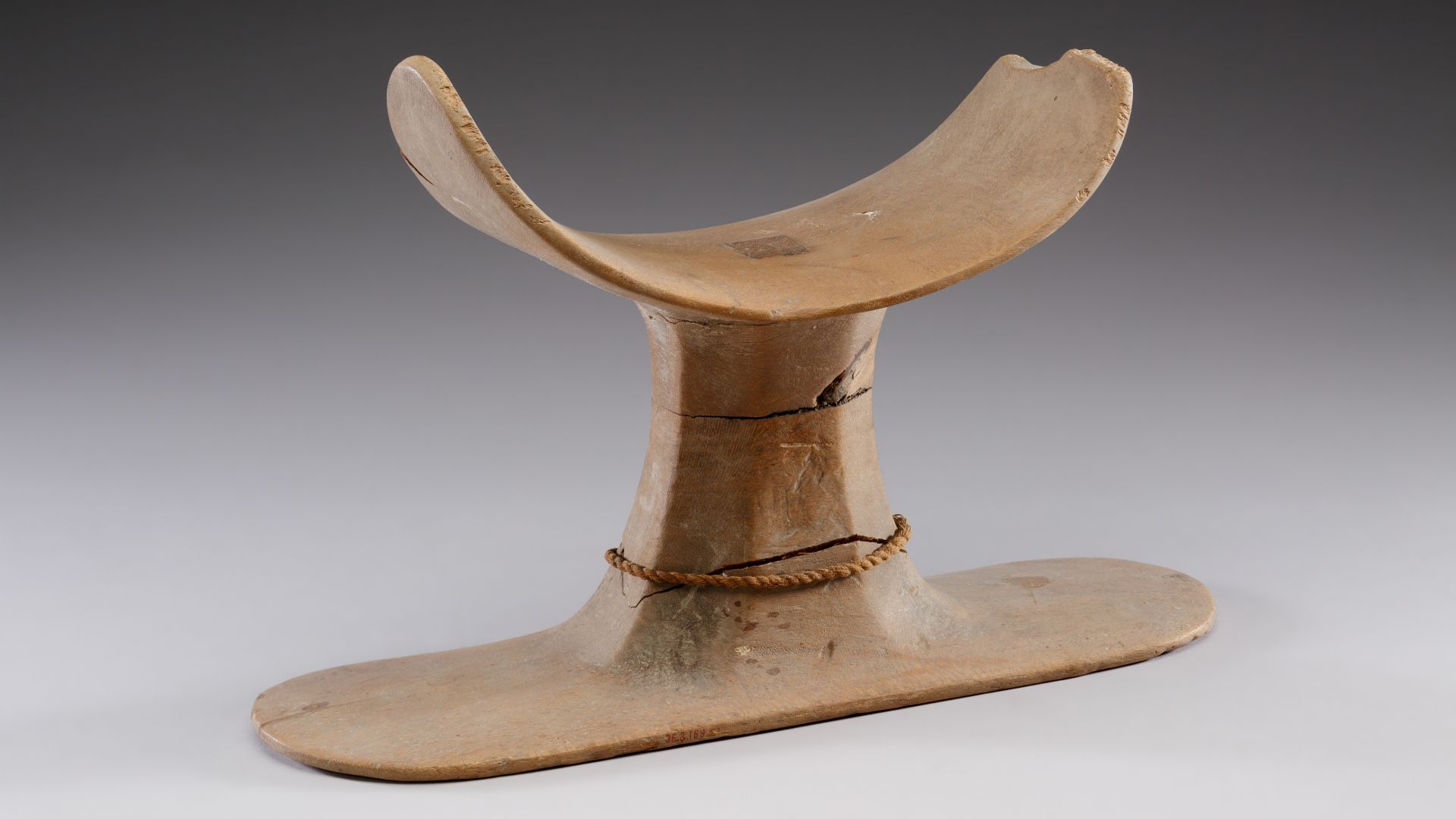
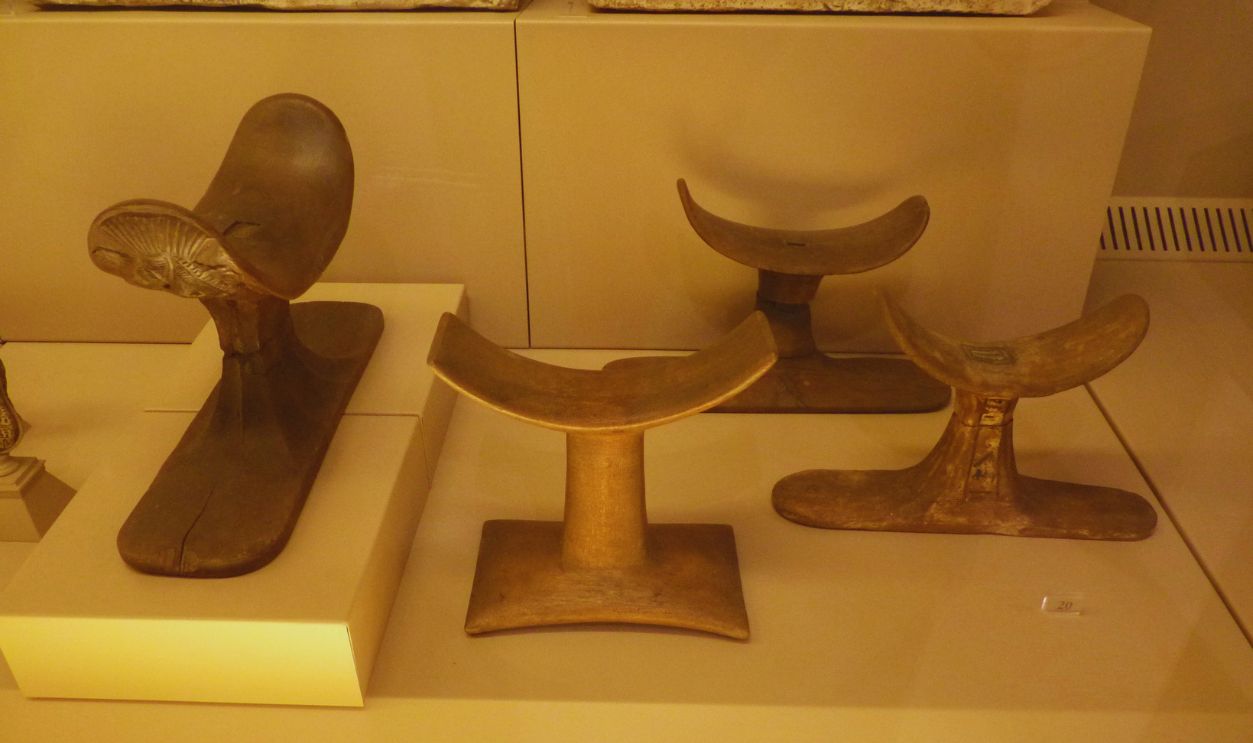
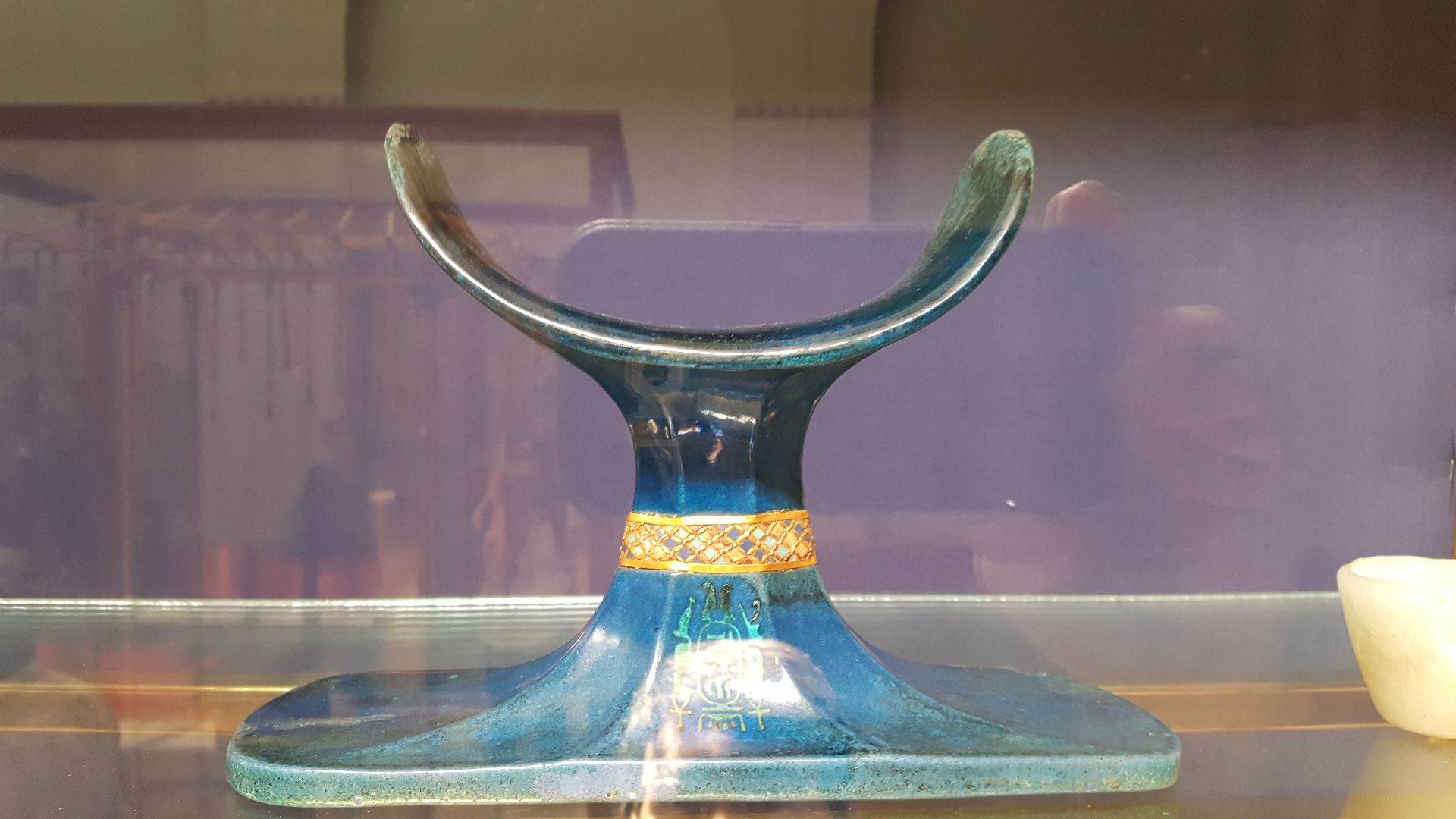
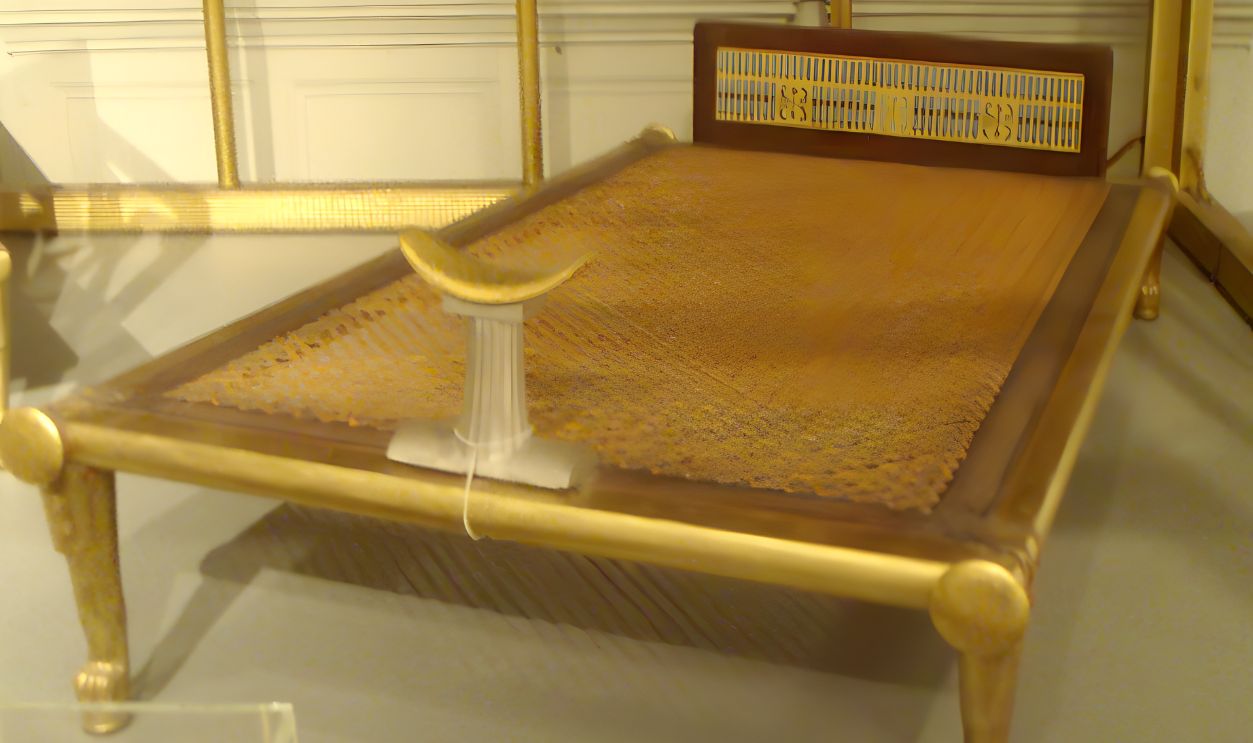
In ancient Egypt, some people rested their heads on something that looked more like a miniature stool than a pillow. Egyptian headrests typically featured a flat base, an upright support, and a curved top designed to cradle the neck. Examples preserved in museums show that this unusual sleeping accessory remained part of Egyptian life for thousands of years.
Those Hard Pillows Actually Had Advantages
Egyptian headrests may look uncomfortable, but they served several practical purposes. According to the Metropolitan Museum of Art, raising the head helped keep a sleeper's face away from insects and scorpions, while the open design offered a cooler alternative to a stuffed pillow. Some surviving examples even contain traces of linen padding, suggesting that their owners weren't necessarily sleeping directly against hard wood or stone.
Egyptians Believed Sleep Was Connected To Rebirth
For the ancient Egyptians, a headrest could carry a meaning far beyond physical comfort. Its shape evoked the image of the sun rising above the horizon, connecting the act of awakening with the idea of rebirth. Headrests were sometimes placed in tombs, while miniature headrest amulets were intended to protect the deceased and help ensure their resurrection.
Even Egyptian Beds Had A Strange Design
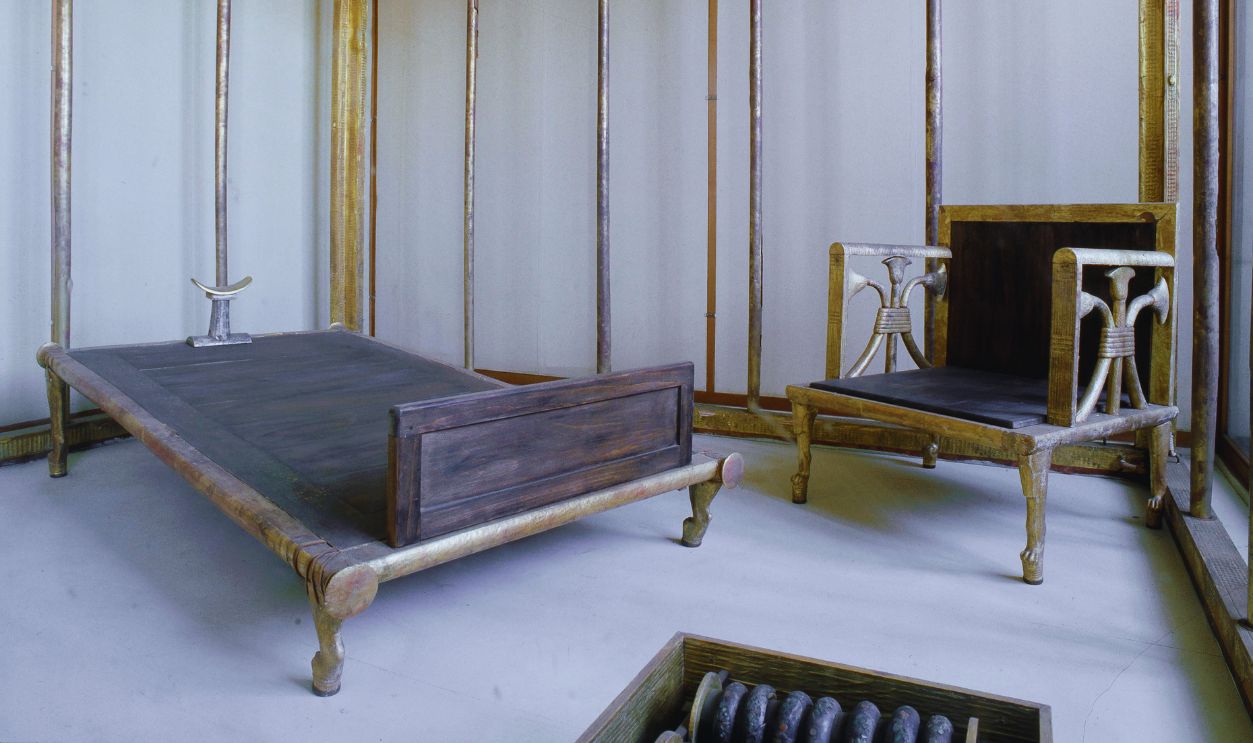
Wealthy ancient Egyptians also used raised wooden beds that differed considerably from modern designs. Earlier examples often sloped downward from head to foot, with a footboard preventing the sleeper from sliding too far. Some beds used interlaced cords to provide a flexible sleeping surface, demonstrating that ancient furniture makers were already experimenting with ways to make beds more comfortable.
The Vikings Took Their Bedding To The Grave
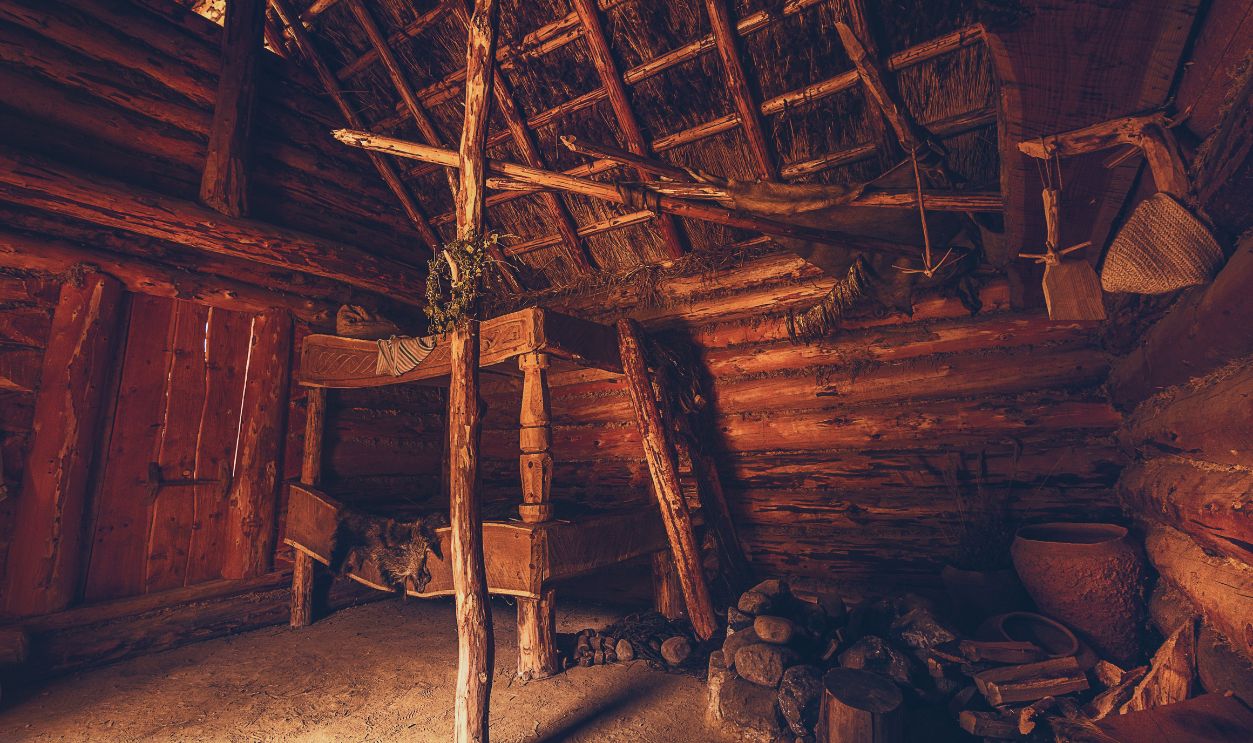
Centuries later, elaborate bedding appeared in some high-status Scandinavian burials. Archaeologists examining seventh-century boat graves at Valsgärde in Sweden discovered feather bedding made from an unexpectedly wide variety of birds. The feathers included those of geese, ducks, grouse, crows, sparrows, wading birds, and eagle owls, raising questions about whether certain materials held symbolic significance.
 Jakob Baranowski, Shutterstock
Medieval Bedrooms Were Often Anything But Private
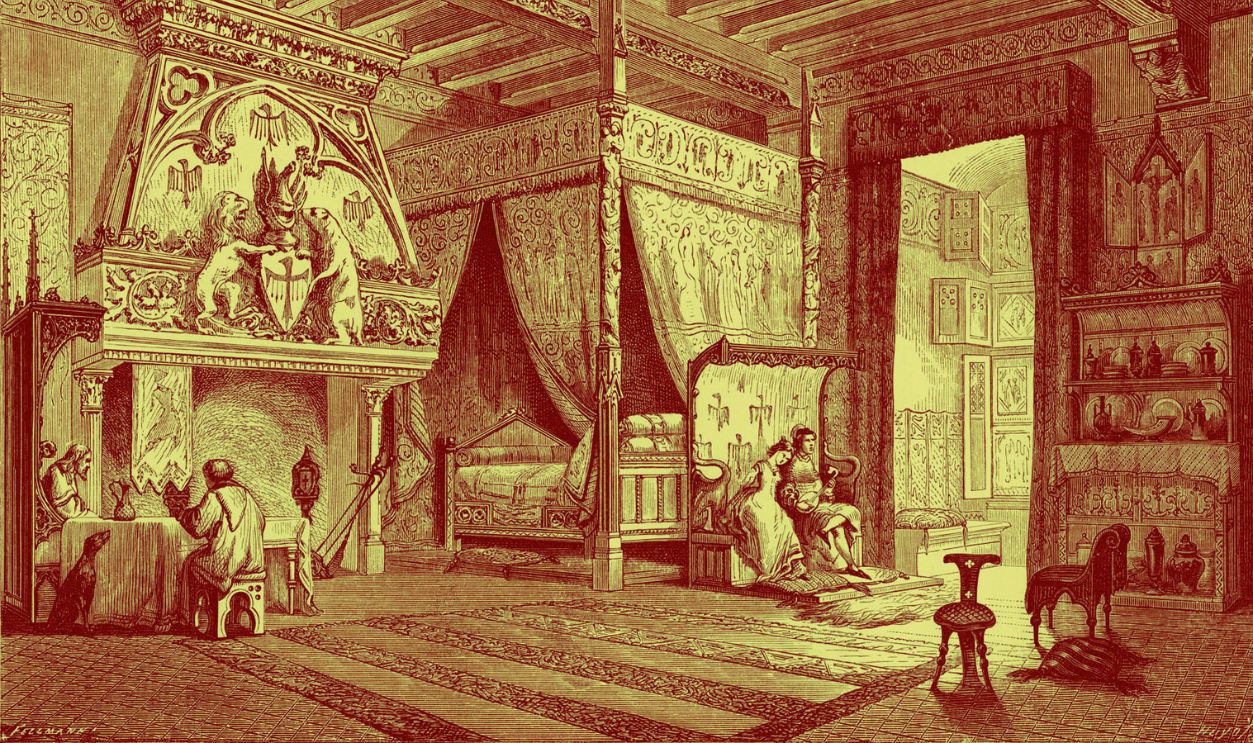
By the Middle Ages, sleeping in a private room was still far from universal. In many households, children, relatives, servants, and other occupants shared sleeping spaces, while wealthier families enjoyed greater access to separate chambers. The modern expectation that every family member should have a bedroom of their own would have seemed unfamiliar to much of medieval society.
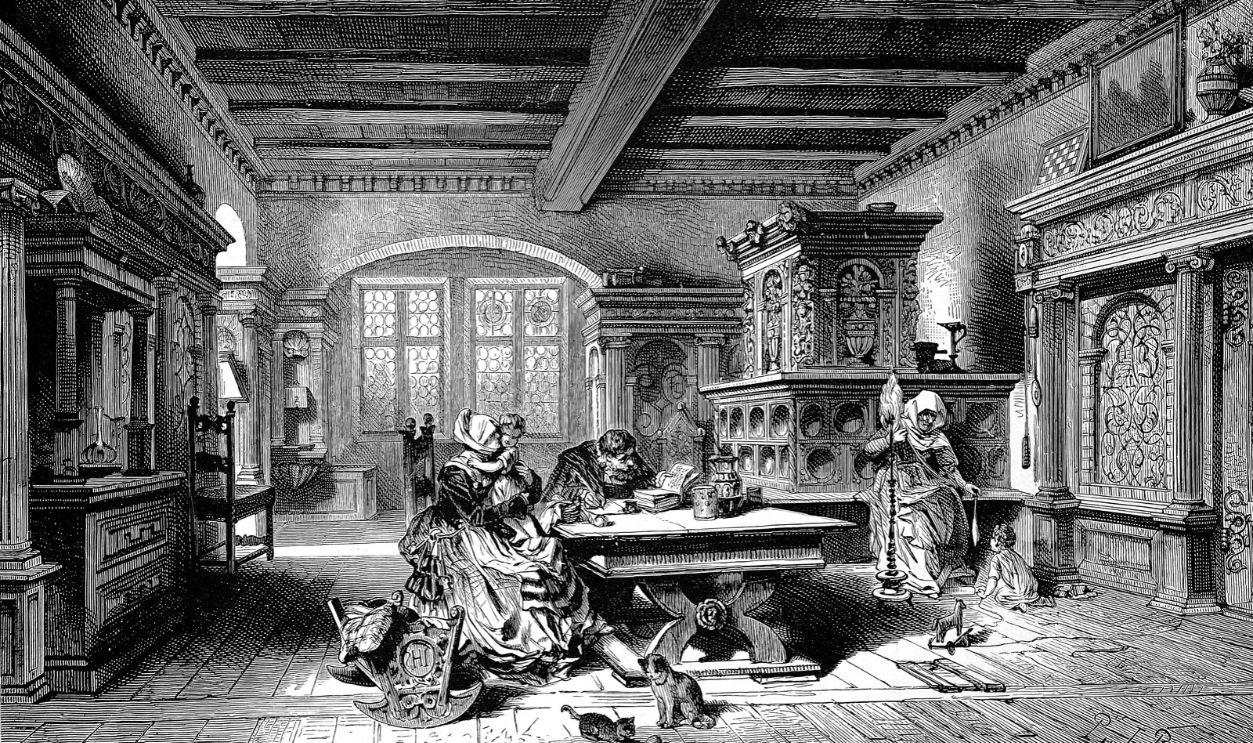
The Living Room Became A Bedroom At Night
In medieval homes, the same room could serve several different purposes throughout the day. In a household hall, tables and benches might be used for meals before being cleared or rearranged to make space for sleeping. Poorer residents could make do with straw-filled bedding, blankets, or cloaks, while people with more money could afford proper bedsteads and feather mattresses.
 Bildagentur-online, Getty Images
Sharing A Bed With Strangers Wasn't Always Unusual
Today, discovering an unfamiliar person in your hotel bed would be cause for alarm. Medieval inns and other forms of lodging, however, could require travelers to share sleeping arrangements with people they barely knew. Privacy depended heavily on what a traveler could afford, and paying extra for a separate room could make an overnight stay considerably more comfortable.
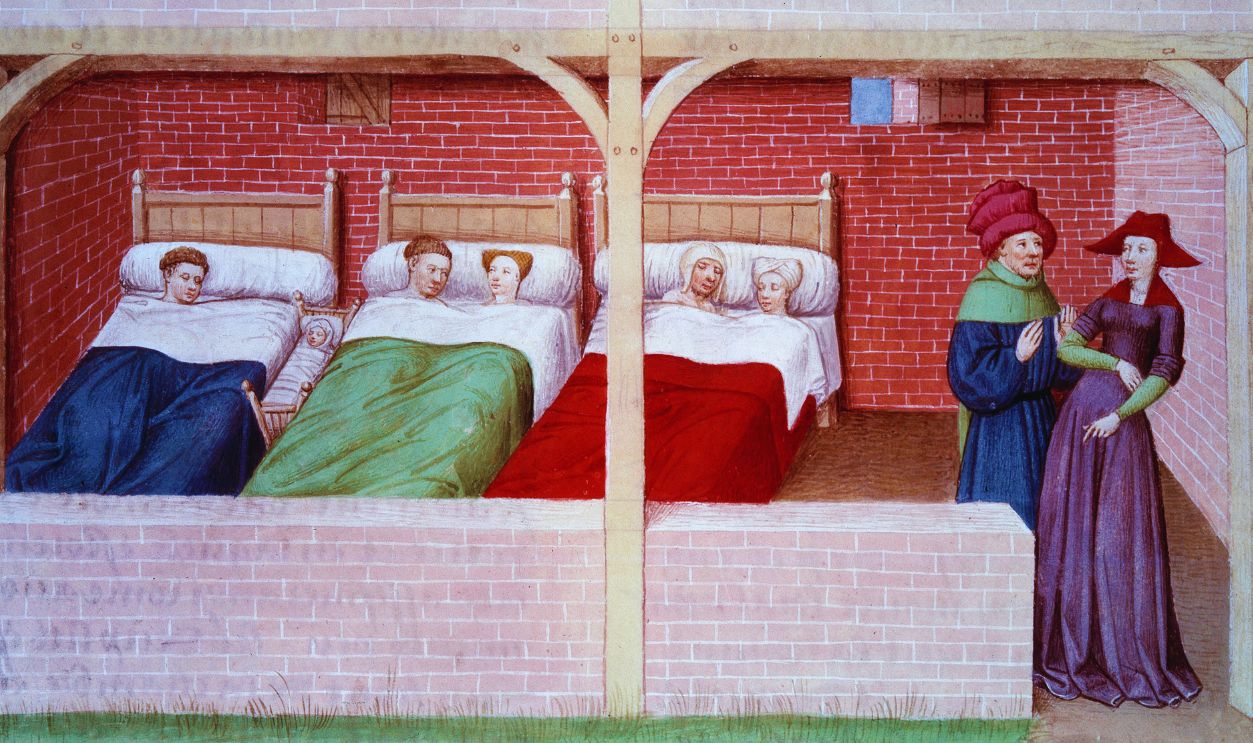 Photo Josse/Leemage, Getty Images
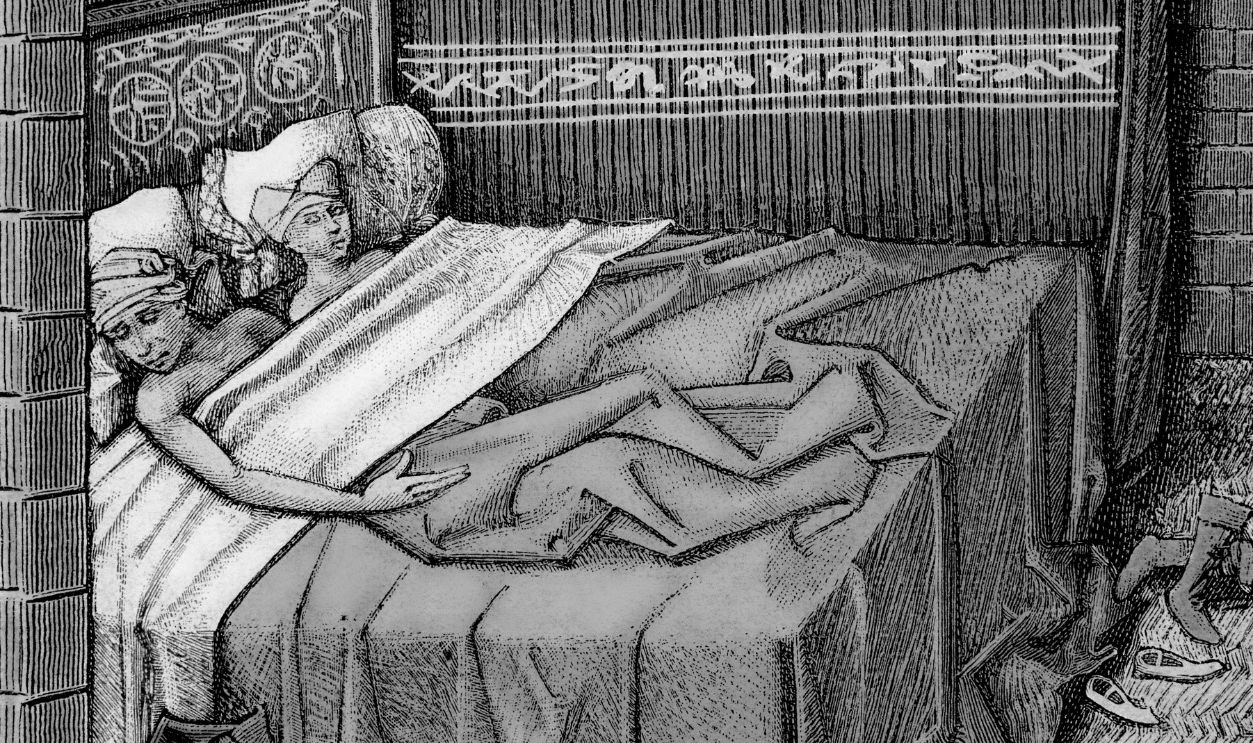
Even Powerful Men Sometimes Shared Sleeping Quarters
Bedsharing in medieval Europe did not always carry the romantic implications that modern readers might assume. Contemporary accounts of Richard the Lionheart and Philip II of France describe their unusually close political friendship, including occasions when they shared sleeping quarters. Historians caution that such references must be understood within medieval customs of hospitality, intimacy, and political alliance rather than interpreted through modern assumptions.
Some Beds Were Worth A Small Fortune
During Tudor England, a substantial wooden bed could represent an extraordinary household investment. According to educational materials from the Shakespeare Birthplace Trust, some beds cost approximately £8 to £10, a significant sum when a teacher might earn around £20 annually. A fine bed could therefore demonstrate a family's wealth just as effectively as expensive clothing or impressive furniture.
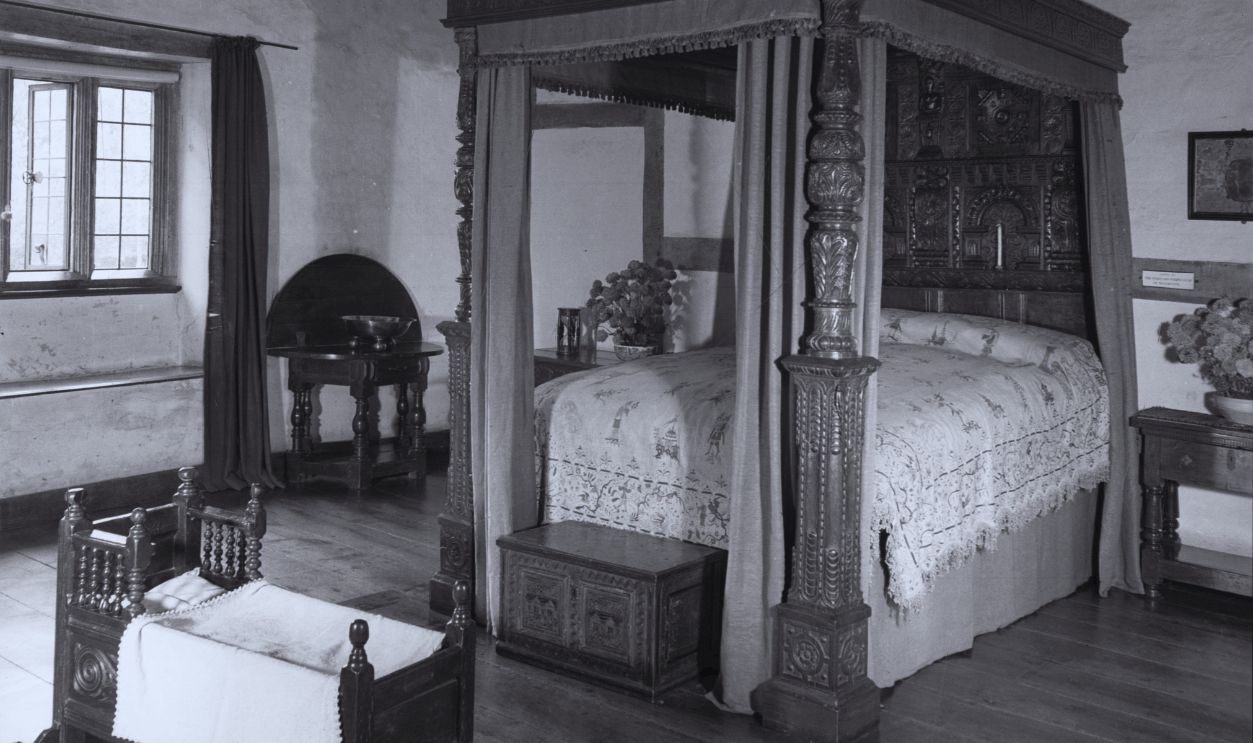
The Best Bed Was Sometimes Kept In The Living Room
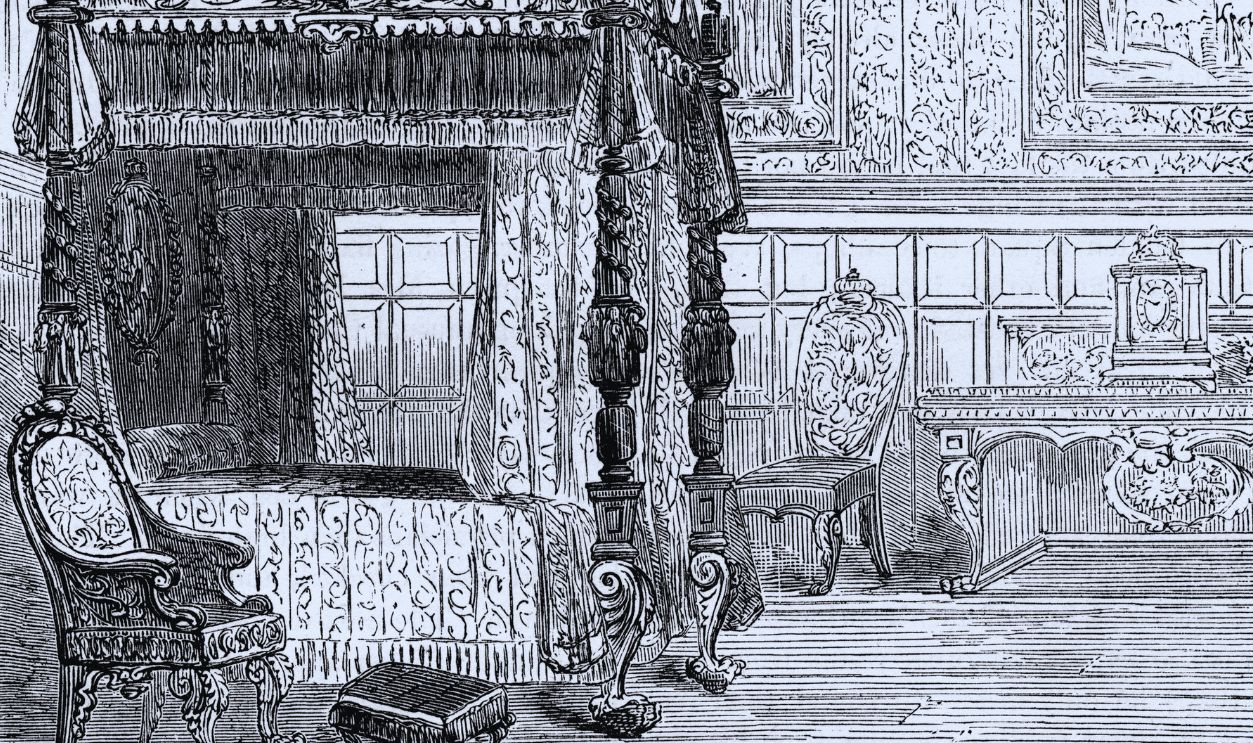
One of the strangest Tudor customs involved placing the household's finest bed in the parlour rather than a private bedroom. This room was used for entertaining visitors, conducting business, and displaying valuable possessions, making an expensive bed a perfect symbol of prosperity. In some homes, the impressive bed was rarely slept in, despite being one of the most valuable objects the family owned.
Sleeping In A Tudor Bed Required Maintenance
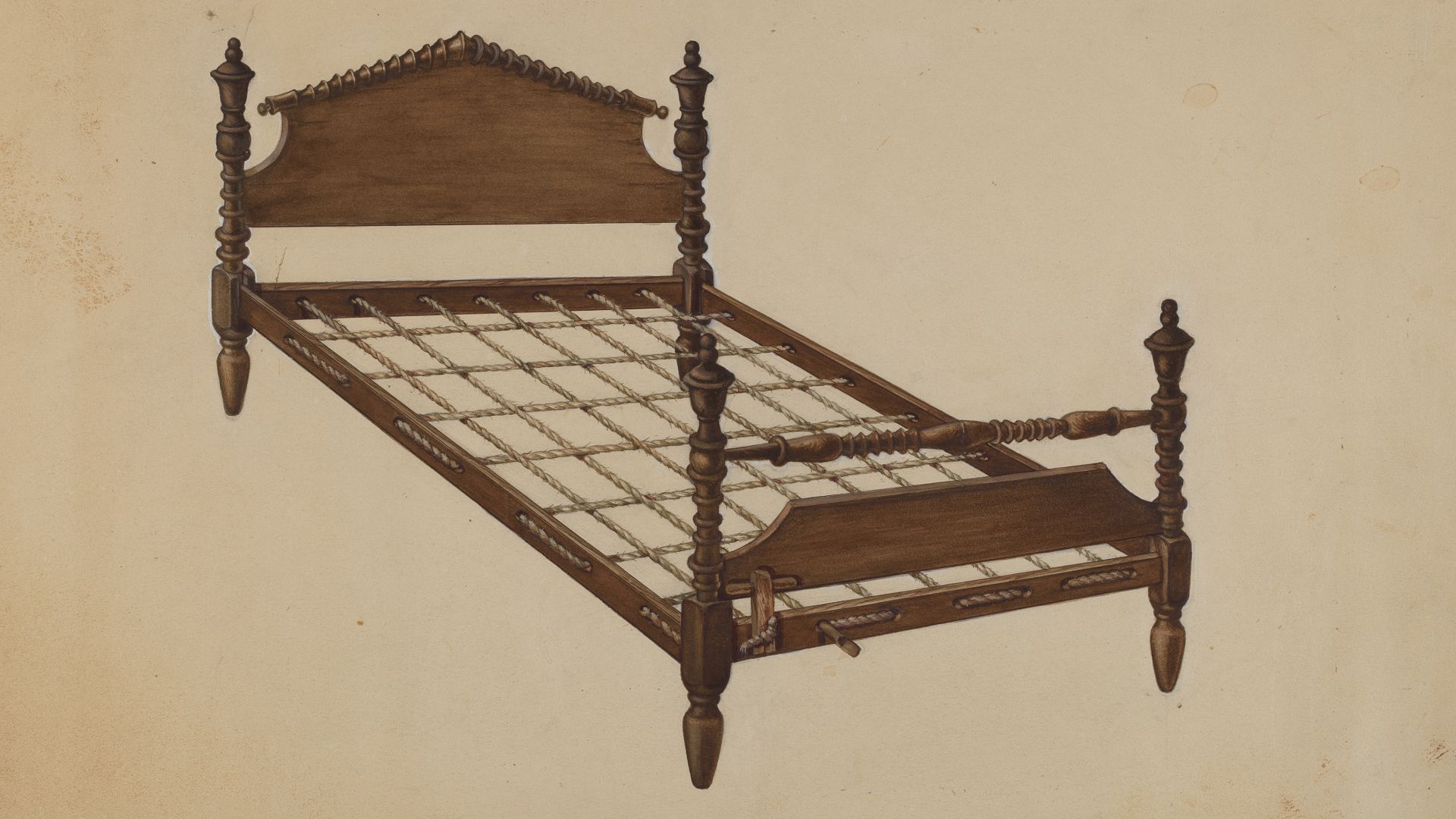
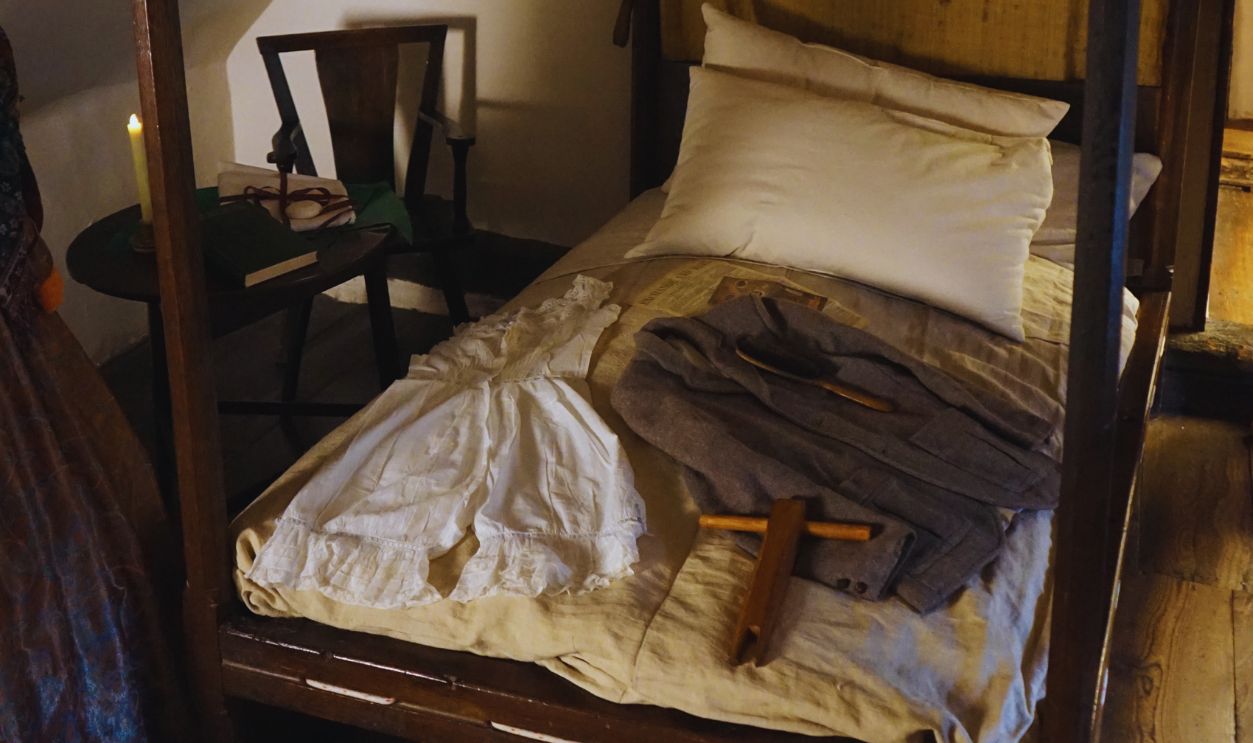
Many Tudor bedsteads relied on a network of ropes stretched across their wooden frames to support mattresses and bedding. Over time, these ropes loosened and sagged under the weight of sleepers, requiring regular tightening with a special tool. The Shakespeare Birthplace Trust explains that adjusting the ropes could require two people working together, making bed maintenance an important part of household life.
 Walter G. Capuozzo, Wikimedia Commons
Bed Curtains Were More Than Decoration
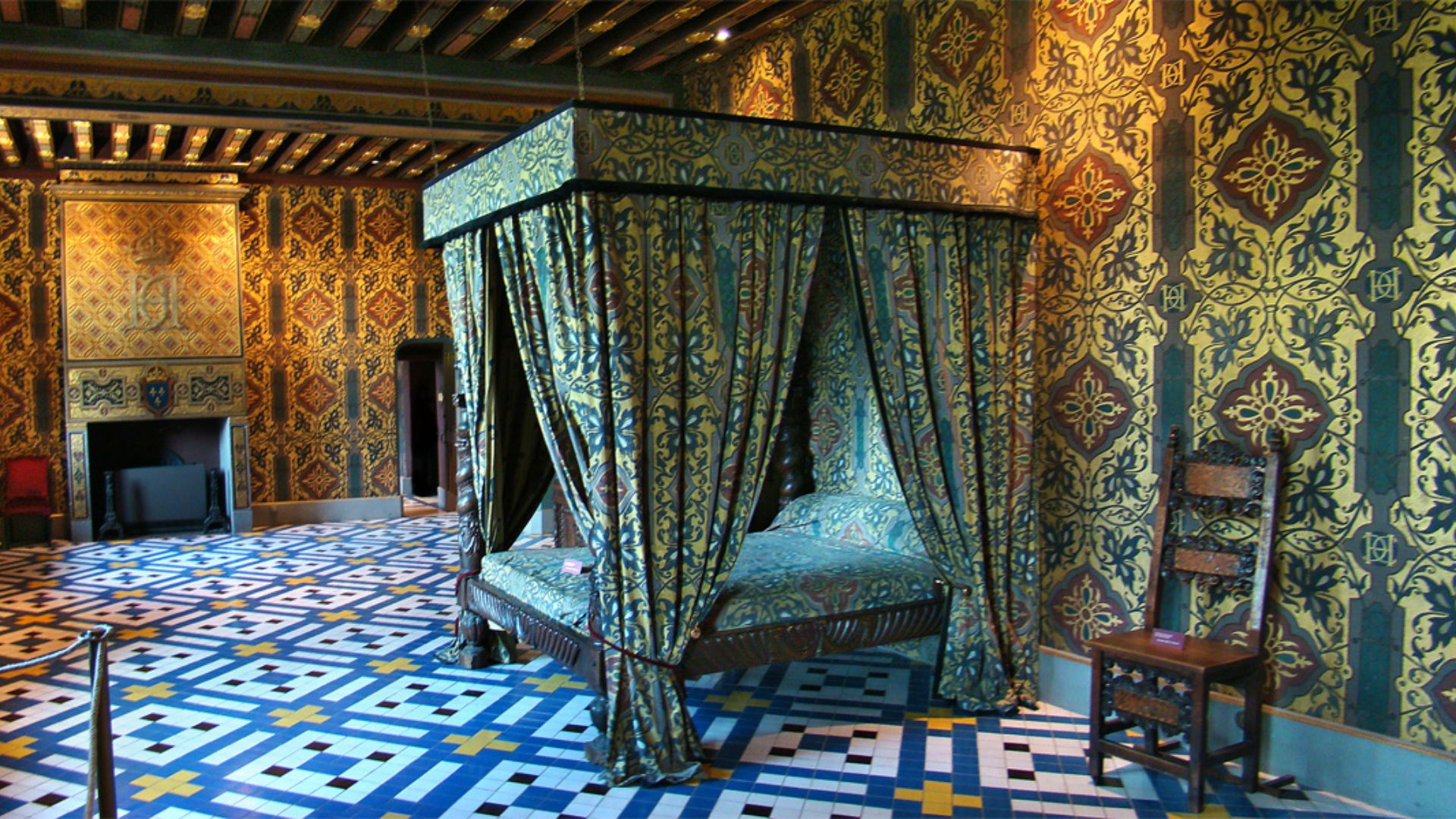
The magnificent curtains surrounding expensive Tudor beds were not simply intended to impress visitors. They helped provide privacy in homes where people frequently shared rooms, while also creating a more sheltered sleeping space. Some Tudor households even believed that the bed's canopy could protect sleepers from moonlight, which was thought capable of causing madness.
England Once Had A Bed Big Enough For Eight People
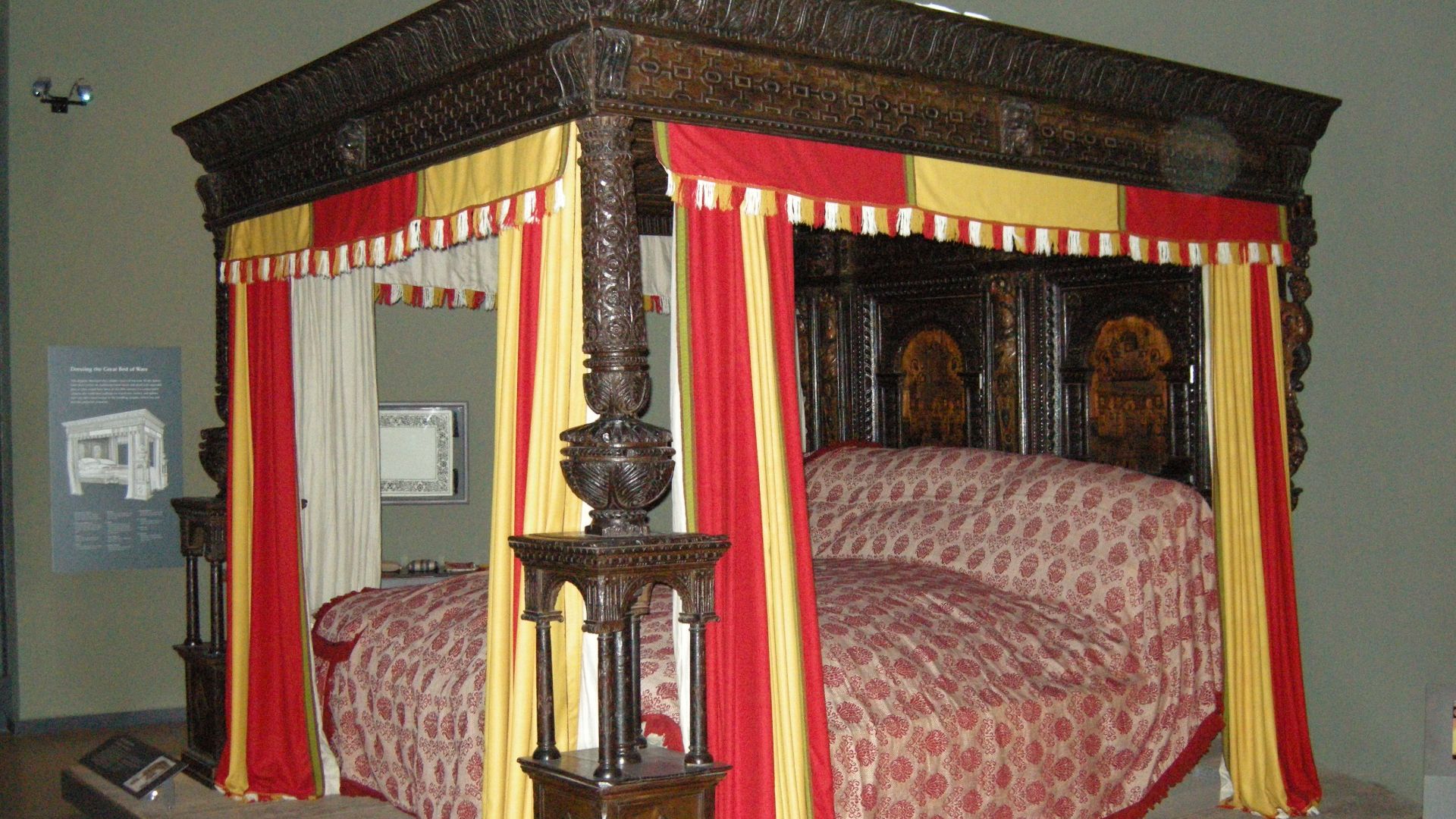
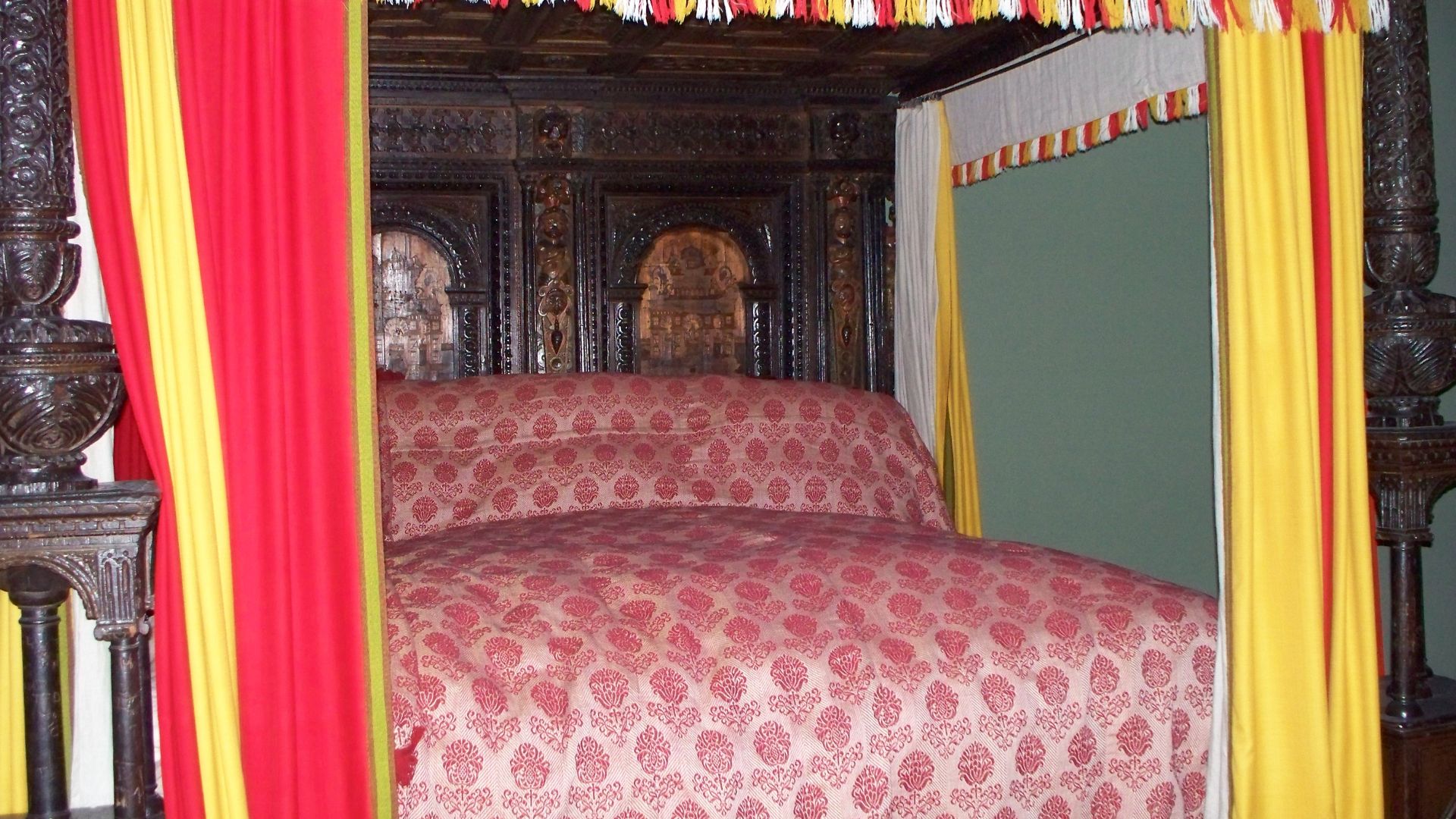
Around 1590, an enormous wooden bed was constructed in England that became famous for its extraordinary dimensions. Known as the Great Bed of Ware, it measured more than three meters across and was reputedly capable of accommodating at least four couples. The Victoria and Albert Museum believes it was probably created as a tourist attraction for an inn in the town of Ware, where travelers could experience its astonishing size for themselves.
 Wikipedia Loves Art participant
The Giant Bed Became A Celebrity
The Great Bed of Ware attracted enough attention to become part of English popular culture. William Shakespeare referenced its enormous dimensions in Twelfth Night, and visitors left initials and wax seals on its wooden surfaces. Centuries later, the famous bed survives in the Victoria and Albert Museum, offering a remarkable reminder of a time when sleeping furniture could become a public attraction.
 Wikipedia Loves Art participant
Shakespeare Left His Wife A Mysterious Bed
When William Shakespeare died in 1616, his will included a seemingly peculiar gift to his wife, Anne Hathaway. He left her his "second best bed," a bequest that has puzzled generations of readers. Yet beds were valuable possessions in early modern England, and the family's finest bed may have been reserved for guests rather than everyday use.
 Universal History Archive, Getty Images
People Once Divided The Night Into Two Sleeps
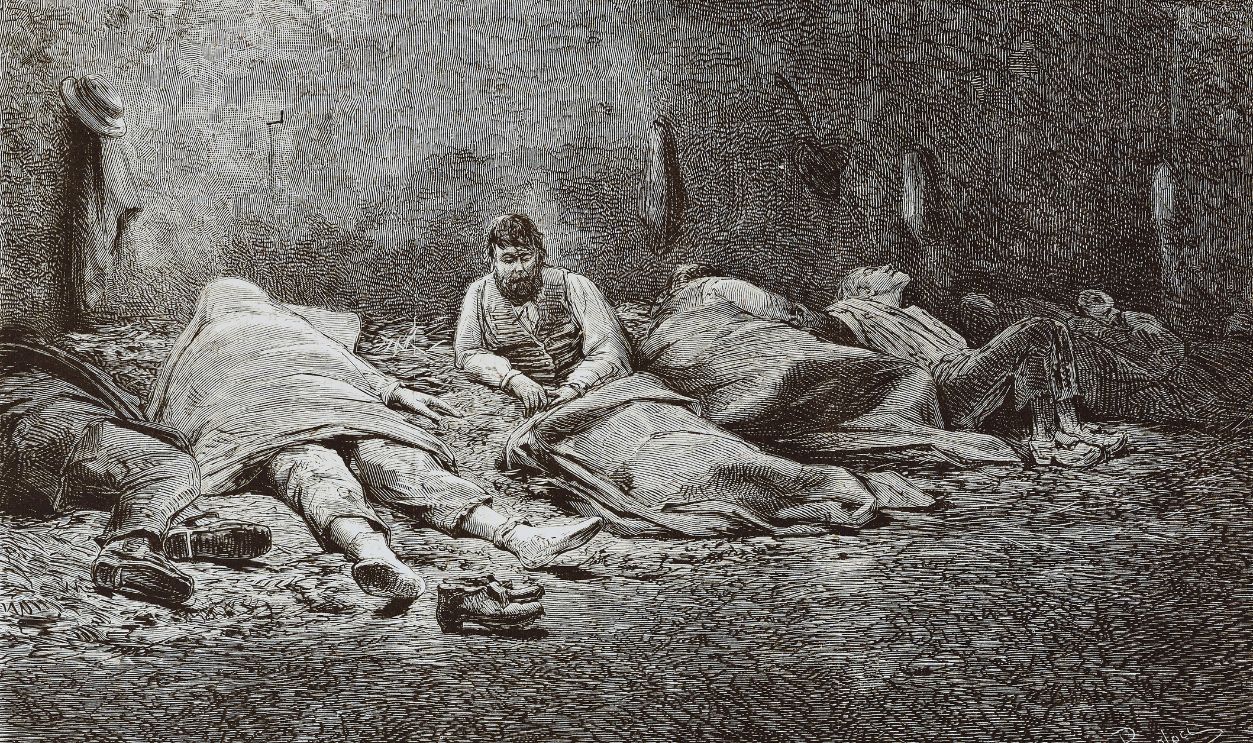
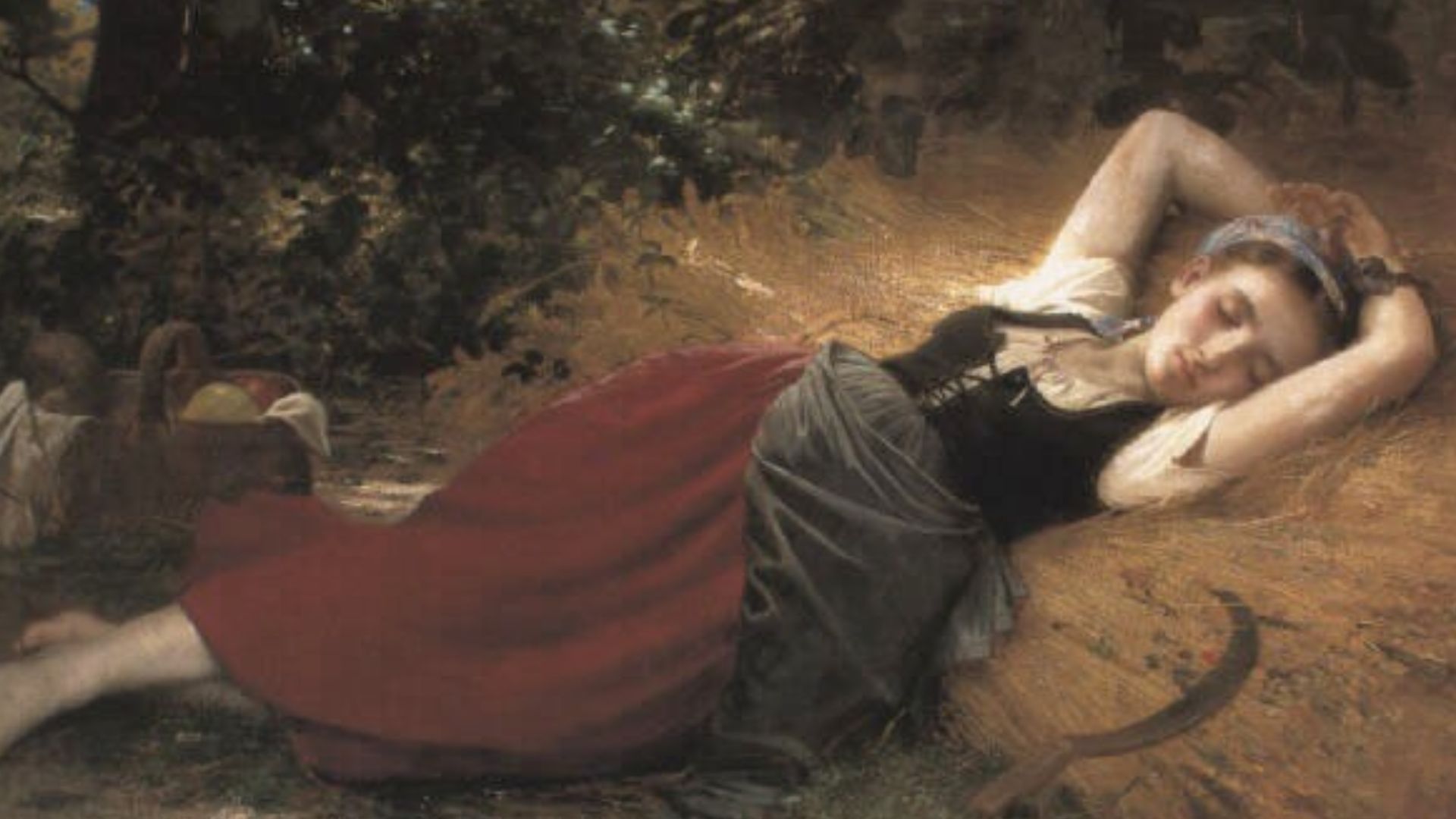
Perhaps the most fascinating discovery about historical sleeping habits concerns the possibility that some people regularly slept in two separate periods. Historian Roger Ekirch documented references to "first sleep" and "second sleep" in European historical records and literature. These descriptions suggest that extended periods of wakefulness during the middle of the night were familiar enough to become part of everyday language.
The Middle Of The Night Could Be Surprisingly Busy
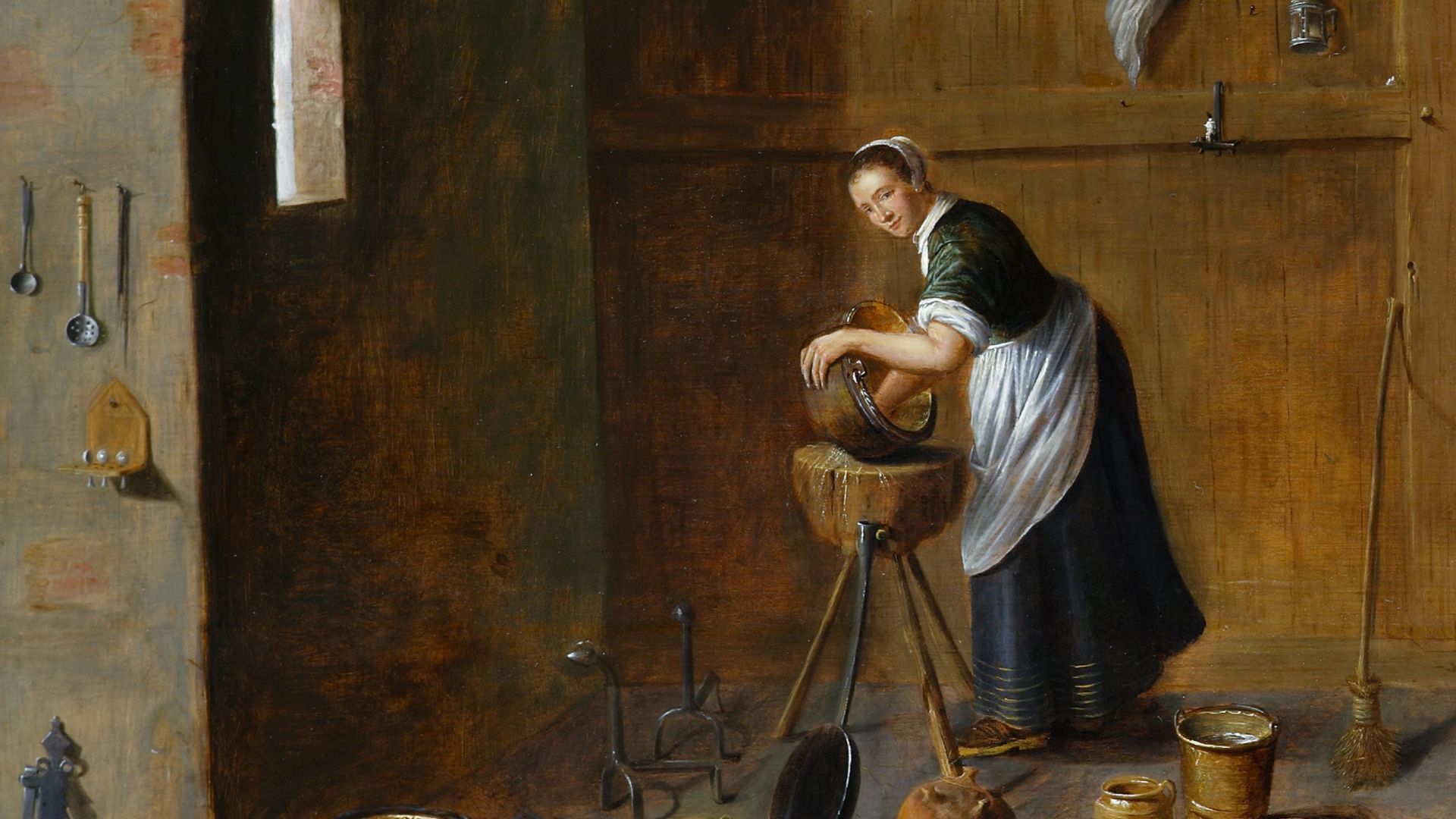
In accounts of segmented sleep, people woke after their initial rest and remained awake before returning to bed. Historical descriptions of this interval include activities such as prayer, reading, reflection, household chores, and conversation. Rather than automatically treating midnight wakefulness as a problem, some people regarded it as an ordinary part of the night's routine.
 Dutch – School Details on Google Art Project, Wikimedia Commons
But The Two-Sleep Theory Has A Catch
Although the historical evidence for first and second sleep is compelling, researchers caution against assuming that everyone in the past followed the same pattern. A 2015 study of three present-day preindustrial populations found that their sleep generally occurred in one continuous nighttime period without extended intervals of wakefulness. The findings suggest that segmented sleep may have been shaped by particular environments and cultural practices rather than representing a universal human habit.
 Léon Bazille Perrault, Wikimedia Commons
Doctors Had Some Peculiar Bedtime Advice
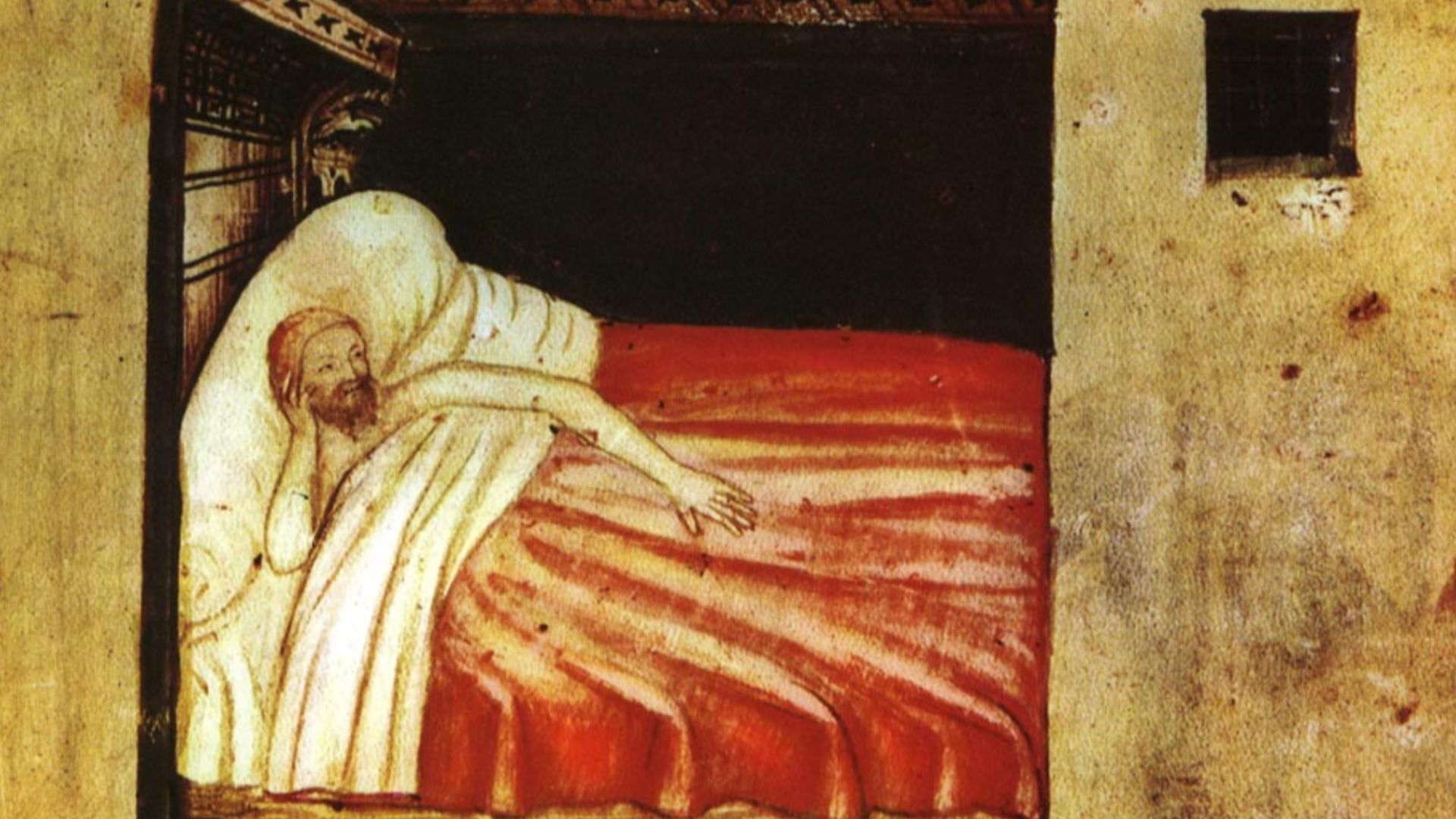
Early modern medical writers believed that sleep and digestion were closely connected. Some advised people to sleep with their heads elevated and to begin the night on their right side before eventually turning onto their left. These instructions were based on historical theories about bodily heat, digestion, and the movement of substances through the stomach, rather than modern scientific evidence.
 unknown master, Wikimedia Commons
Insomnia Remedies Came Straight From The Kitchen
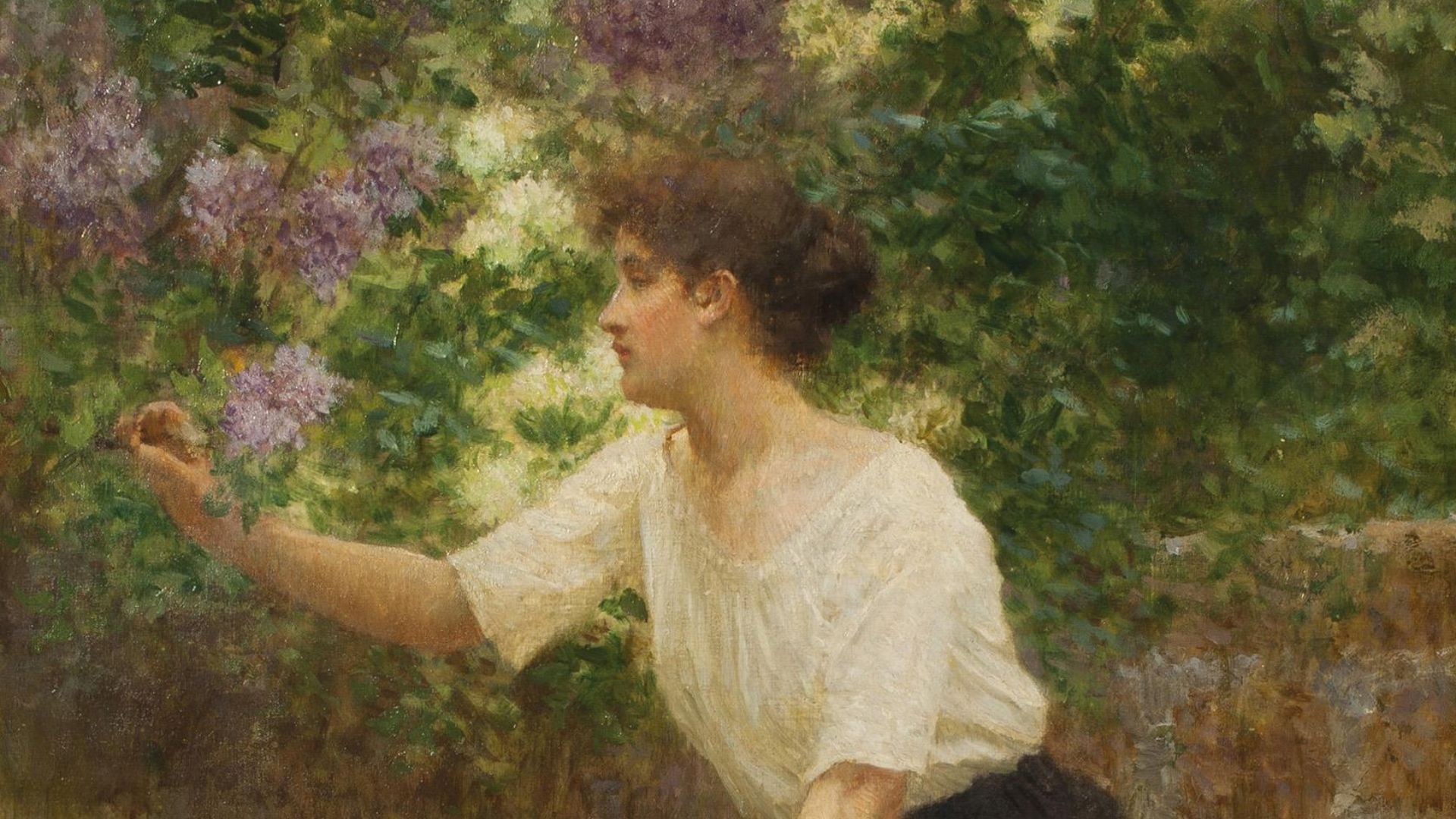
People struggling to fall asleep centuries ago could encounter an impressive selection of homemade treatments. Seventeenth-century household recipes included preparations containing poppy seeds, while gentler remedies involved chamomile, lavender, roses, and lettuce. One recipe dating from around 1710 even suggested placing a cloth parcel containing rose leaves, milk, and nutmeg against the temples before bedtime.
 Vlaho Bukovac, Wikimedia Commons
Some Japanese Sleepers Wore Their Blankets
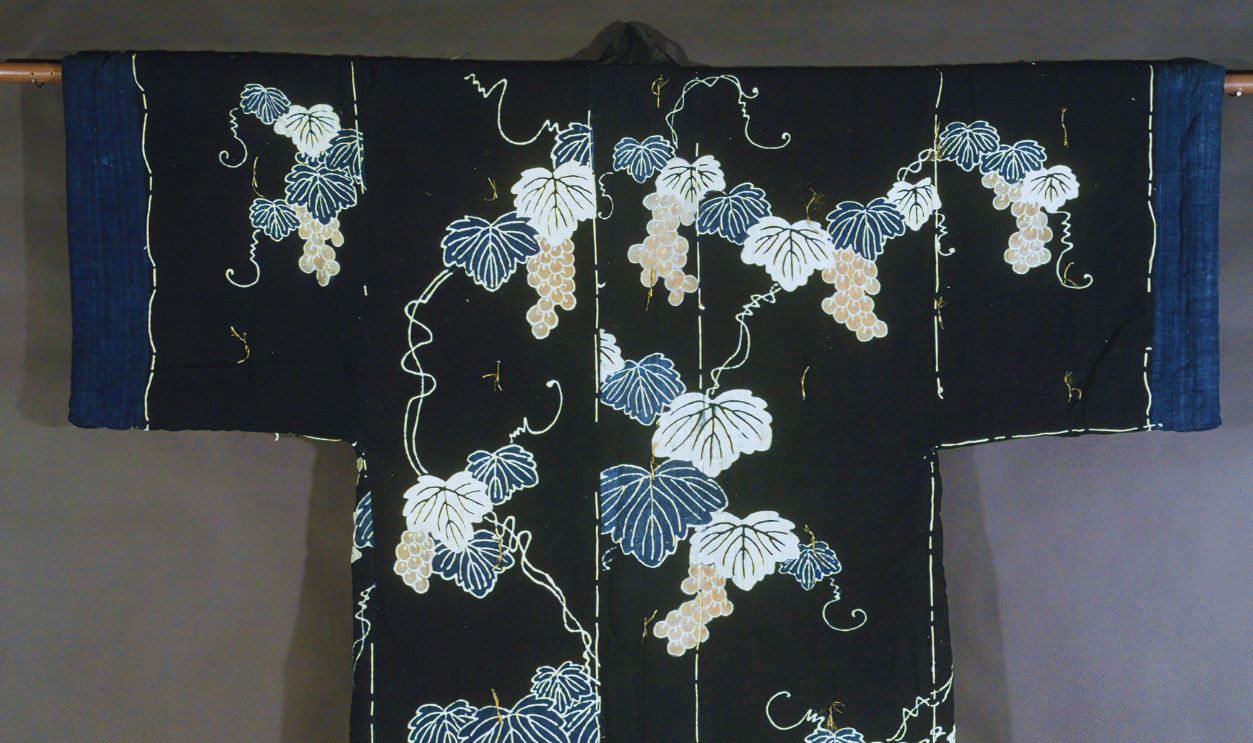
Historical sleeping arrangements were also remarkably inventive outside Europe. In Japan, padded, kimono-shaped coverings called yogi became popular during the Edo period and were used to keep people warm at night. These heavy coverings wrapped around the shoulders and neck, combining some of the functions of a blanket and a sleeping garment.
Industrialization Changed More Than Bedtime
The spread of artificial lighting gradually altered the relationship between darkness and daily activity. Earlier generations relied heavily on daylight, candles, oil lamps, and other relatively dim light sources, while electric lighting made it increasingly practical to remain active after sunset. Modern sleep researchers continue to investigate how artificial illumination, regulated schedules, and indoor environments influence the body's natural rhythms.

Modern People Don't Necessarily Sleep Less Than Their Ancestors
It is tempting to imagine that people living before electricity enjoyed long, peaceful nights of uninterrupted rest. Yet a 2015 study of the Hadza, San, and Tsimané populations found average sleep durations of approximately 5.7 to 7.1 hours, despite the absence of modern electric lighting. A broader study published in 2025 also challenged the assumption that industrial societies necessarily sleep less, illustrating how complicated comparisons between modern and traditional sleep really are.
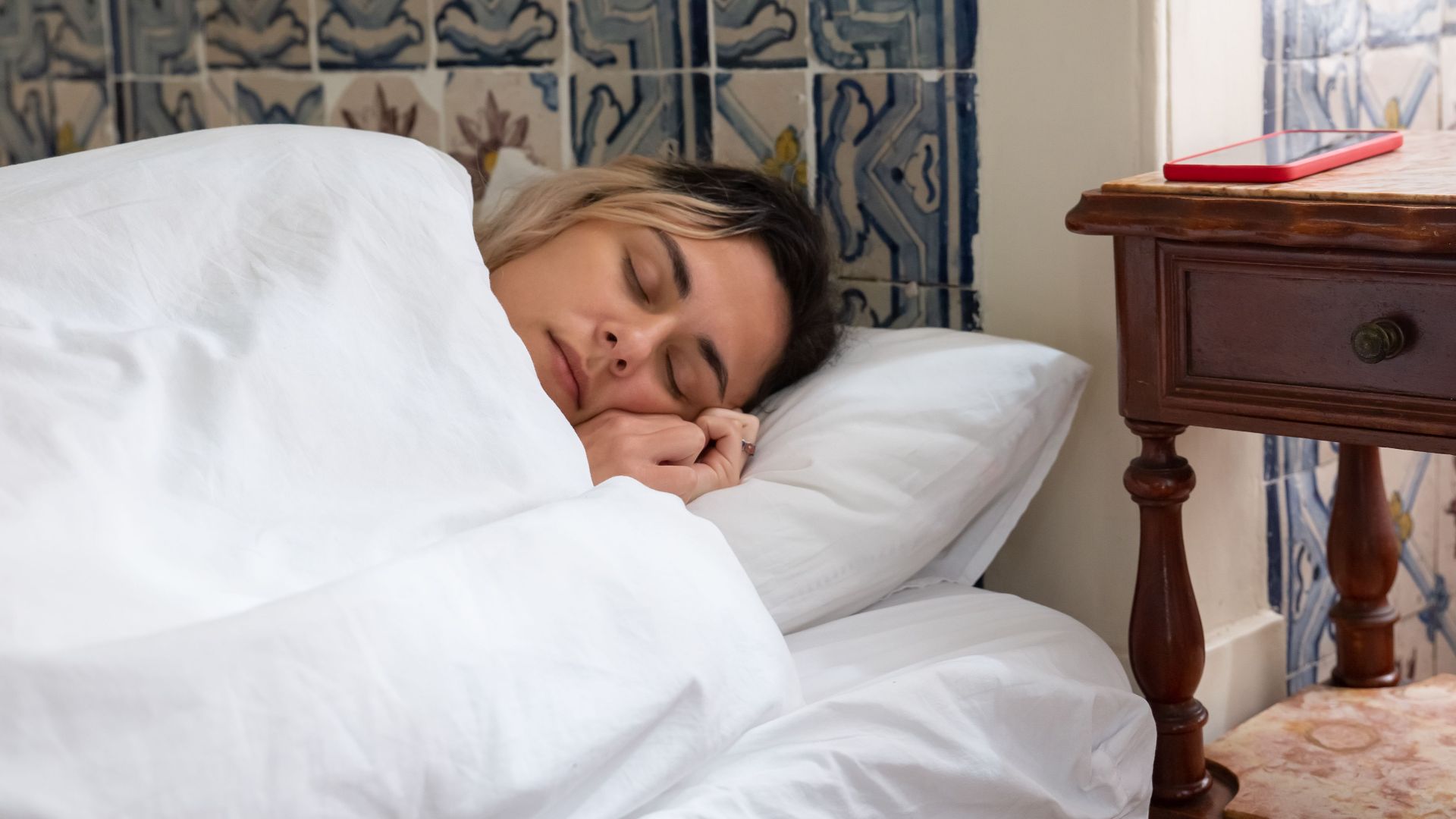
The Bedroom We Know Is A Historical Luxury
From prehistoric grass bedding and Egyptian headrests to Tudor showpiece beds and crowded medieval halls, the history of sleep reveals an extraordinary variety of human experiences. Privacy, comfort, warmth, wealth, and cultural beliefs have all influenced how people arrange their sleeping spaces, with no single tradition defining the entire past. The next time you settle into a comfortable mattress in a quiet bedroom, remember that generations of sleepers would have considered the experience an astonishing luxury.
 Keith Schengili-Roberts, Wikimedia Commons
You May Also Like:
40 Of History's Most Unusual Deaths
Horrifying Hygiene In The Middle Ages
The 13 Strangest Unsolved Mysteries From History
Sources: 1, 2, 3, 4, 5, 6, 7, 8, 9, 10, 11, 12, 13, 14, 15, 16, 17, 18