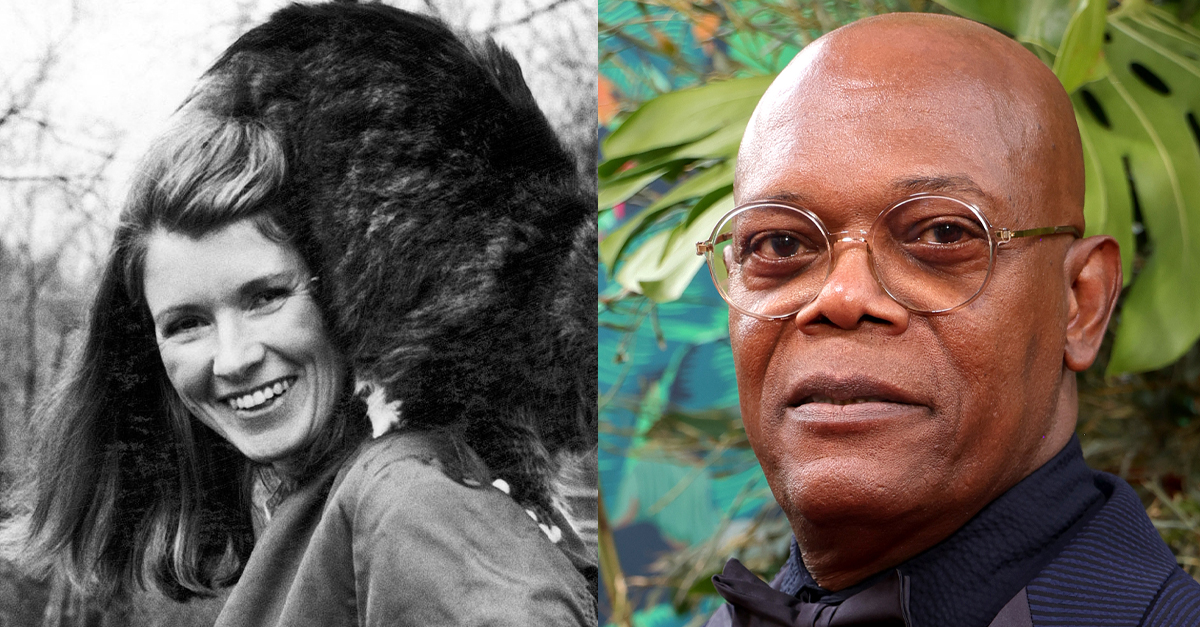
Beauty standards have changed a lot over time, reflecting different cultures, societies, and economic conditions. From ancient times to the present day, people have had different ideas about what makes someone beautiful, and these ideas have been influenced by things like art, media, technology, and globalization. This article looks at how beauty standards have changed over time.
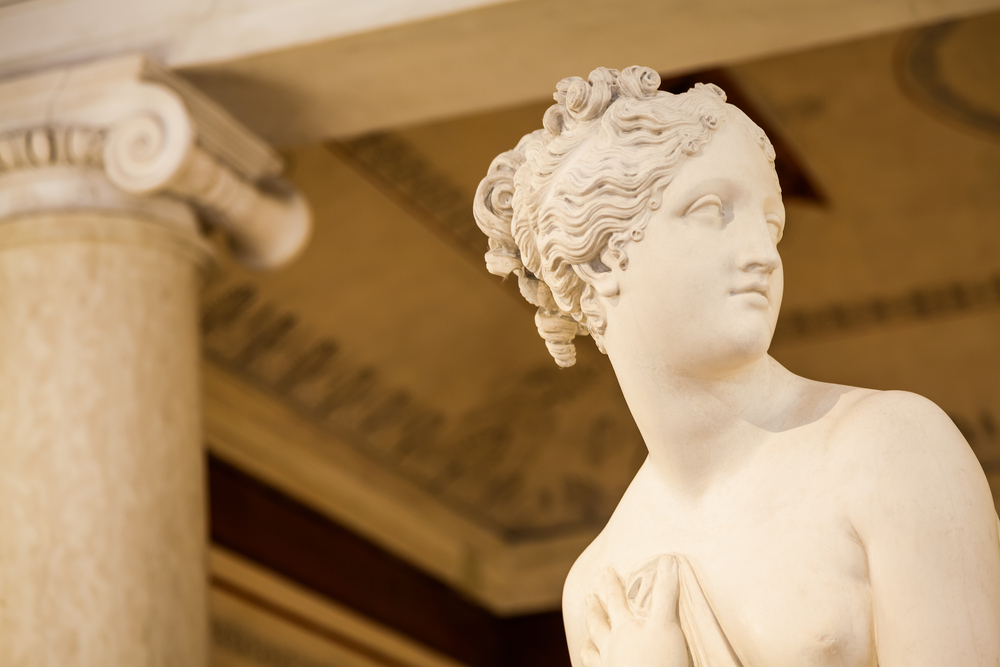
In ancient times
Centuries ago in Egypt, Greece, and Rome, people thought that beauty was about being symmetrical, proportionate, and having healthy, fertile bodies. Artists depicted ideal figures with strong muscles, clear skin, and faces that were considered nice to look at.
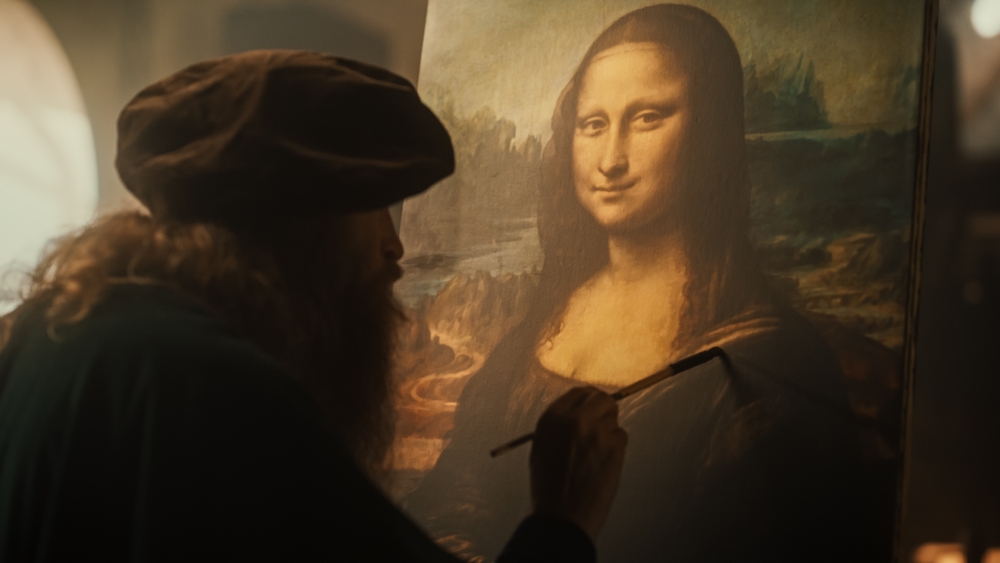
In medieval times
During the Middle Ages, people thought that being modest and religious was more important than how you looked. But then, during the Renaissance, people started to appreciate beauty again, especially in art and literature. People liked full-figured bodies, fair skin, and curvy shapes, which were seen as a sign of wealth and good fortune.

In Victorian times
In the 19th century, people started to think that women should look a certain way. They wanted women to have a tiny waist and delicate features. They also thought it was important for women to be pale and have a gentle look. These ideas were reinforced by society's expectations of what it means to be a woman and how women should act.
In the 20th century
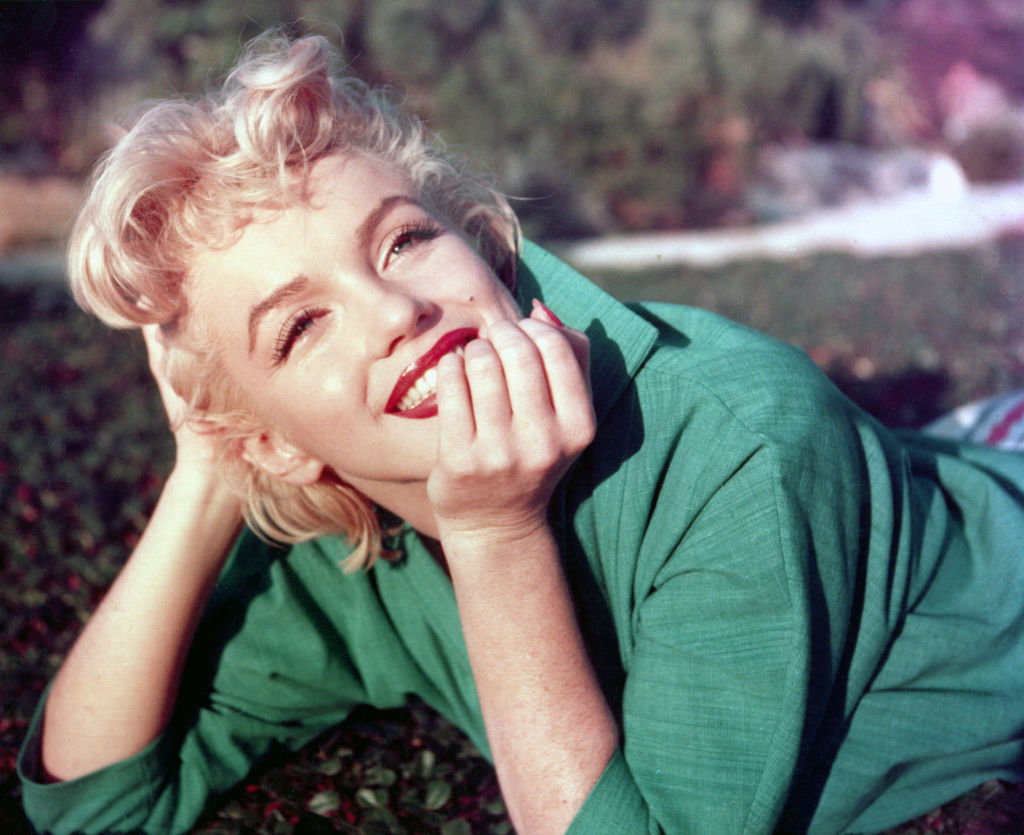
During the 20th century, there were big changes in what people find beautiful. New technology, movies, magazines, and social norms all helped shape how we think beauty should look. Movies, fashion photography, and ads had a big influence on what people think is beautiful, and they promoted certain body types, facial features, and beauty products.
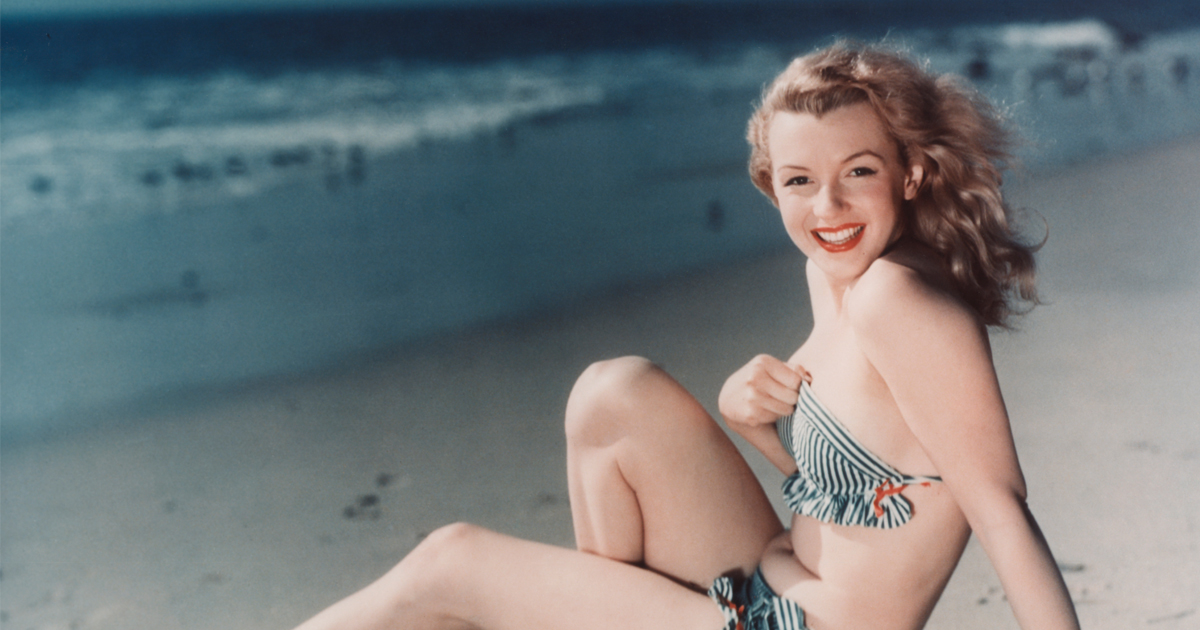
In the mid-20th century, famous Hollywood stars like Marilyn Monroe made curves and sensuality cool, which was different from the slim and boyish look that was popular before. But later, around the 1960s and 1970s, the fashion industry started to like a more androgynous and slender look, which was shown by models like Twiggy.

In recent times
Nowadays, there has been a growing understanding that beauty comes in many different forms and should be celebrated, rather than just one traditional standard. This movement is happening because of groups and individuals who are speaking out and using social media to show that beauty can be unique and diverse.