You might think your hair routine is fine, but some everyday basic habits might be damaging your strands and scalp. There are several not-so-well-known behaviors that strip your hair of moisture, irritate your scalp, or even cause long-term hair loss. We look at five of the biggest daily habits that harm your hair more than you realize.
Overwashing Strips Natural Oils
Washing your hair too often can leave it feeling clean, but it also can strip your scalp of the natural oils it needs for balance, especially if you’re using shampoos with harsh sulfates. Overwashing can cause dryness, itchiness, and even overproduction of oil as your scalp tries to compensate. If your hair isn’t that oily, try washing two or three times a week instead.

Tight Hairstyles Cause Tension
Ponytails, braids, and buns worn too tightly put constant tension on your hair follicles. This tension, over time, can actually lead to a kind of hair loss called traction alopecia. You may notice thinning around the hairline or temples first. While these styles may be convenient, try some looser alternatives. Don’t sleep in tight hairstyles; give your scalp a break.
Ignoring Your Scalp
A lot of people treat their hair but totally ignore their scalp. Remember that your scalp is the foundation for healthy hair. Too many styling products, not rinsing shampoo thoroughly, or not doing scalp exfoliation can lead to clogged follicles and inflammation. Make scalp care a regular part of your routine. Do gentle exfoliation once a week and use lightweight, non-irritating products.
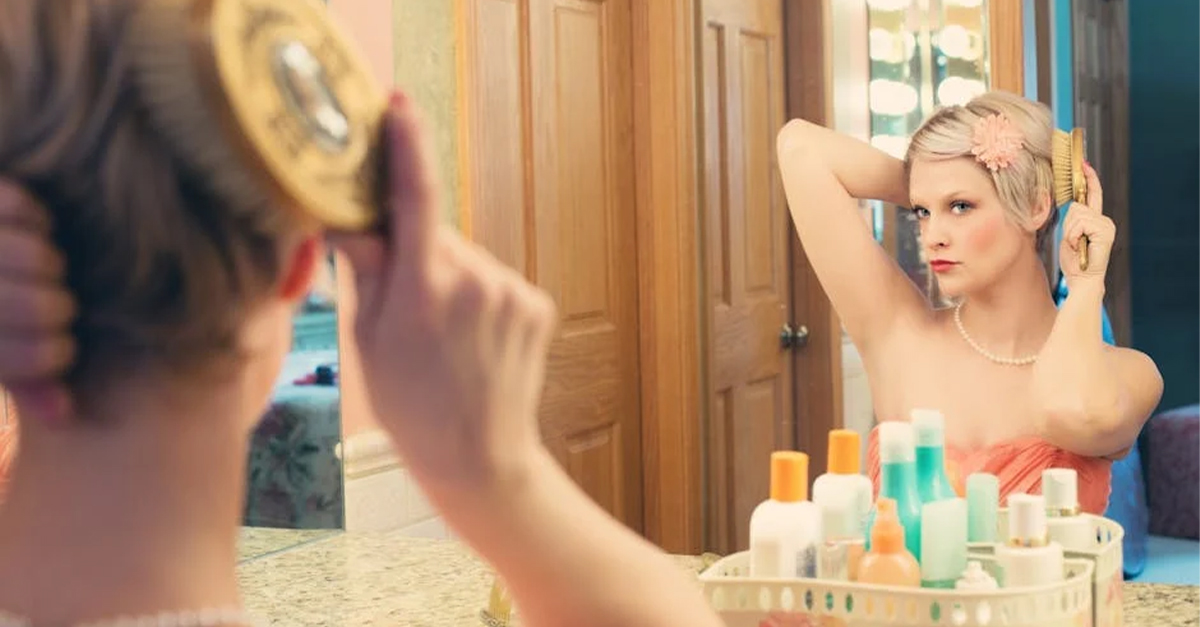
 Photo By: Kaboompics.com, Pexels
Brushing Wet Hair
Your hair is most vulnerable when it's wet. Aggressive brushing right after a shower can stretch and break your strands. If you have to detangle wet hair, use a wide-tooth comb and work from the ends upward. Apply a leave-in conditioner to reduce friction. In fact, you’re better off gently towel-drying your hair first; wait until the hair is damp, not soaking, to brush.
The Wrong Hair Products
Grabbing the first shampoo or conditioner you see might not be what’s best for your hair. Using the wrong products for your hair type can cause buildup, dryness, or greasy roots. For example, fine hair might be overwhelmed by thick, oil-rich products; curly hair, on the other hand, often needs extra moisture. Know your hair type and porosity, and you’ll choose better products.
Bonus: Heat Styling Without Protection
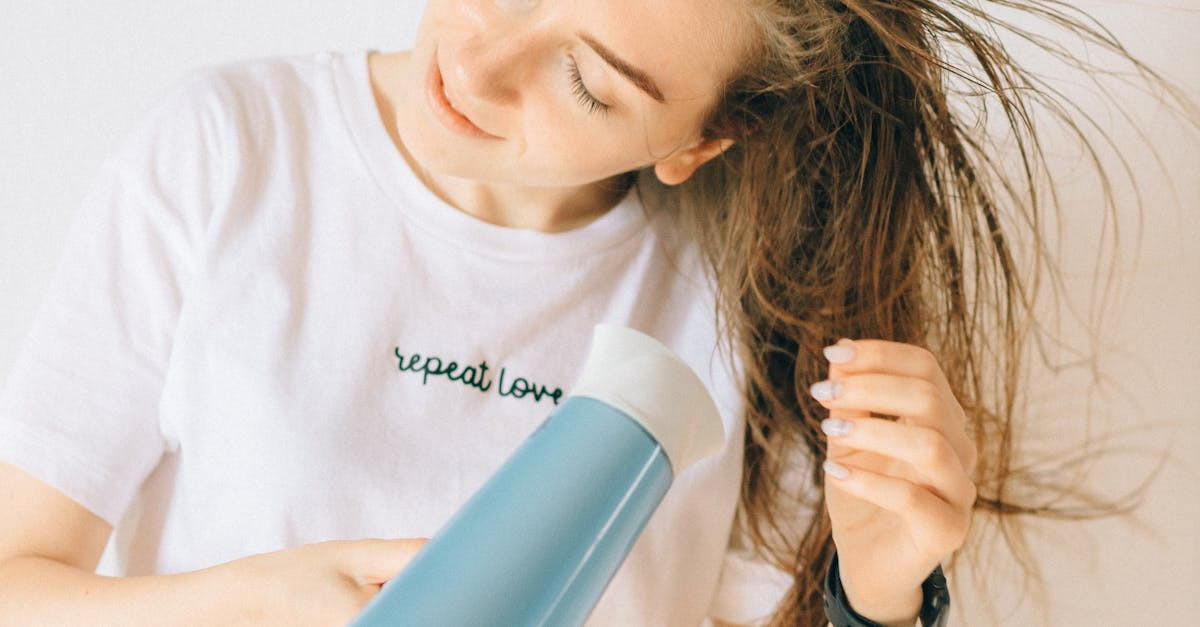
You might already be aware that daily heat styling can fry your strands; skipping a heat protectant spray beforehand damages your hair even more. These sprays form a barrier that cuts moisture loss and structural damage. Always use a protectant before blow-drying, straightening, or curling.
Gentle Habits, Healthy Hair
The glamorous side of hair care is all well and good, of course, but it should never come at the expense of developing habits that support your hair’s long-term health. What you’re not doing is just as important as what you are doing. Review your routine so you can avoid these all-too-common pitfalls. That way you can give your scalp the care it needs so your hair can thrive naturally!
You May Also Like:
Mind-Blowing Facts You Didn't Know About Redheads
The Evolution of Beauty Standards Throughout The Years
20 70s Trends That Need To Come Back—And 20 That Should Stay There