

When Parenting Advice Was Stranger Than Fiction
Parenting advice has always come with plenty of rules, but some of the recommendations from supposedly trustworthy experts are almost impossible to believe today. From hanging babies outside apartment windows to refusing to hug children, doctors and psychologists once promoted practices that modern parents would find downright alarming. Even stranger, many of these ideas were presented as cutting-edge science, proving just how dramatically our understanding of raising children has changed.
 Reg Speller/Fox Photos/Getty Images
Parents Were Told To Make Their Children's Shoes Leak
In 1693, English philosopher John Locke published Some Thoughts Concerning Education, which included some unusual suggestions for raising healthy children. He recommended that children wear shoes thin enough to let water seep through, believing that regularly getting wet feet would strengthen their bodies. Locke thought that exposing children to uncomfortable conditions early in life would make them more resilient. Apparently, keeping little feet warm and dry wasn't always considered a parenting priority.
 Collins, Tudor Washington, 1898-1970, photographer, Wikimedia Commons
Cold Water Was Supposed To Build Character
Locke also encouraged parents to wash their children's feet in cold water every day, even during winter. He believed gradually exposing children to colder temperatures would toughen them up and protect their health. His recommendations were part of a broader philosophy that valued physical hardiness over comfort. The idea that children needed to endure discomfort to become healthy adults would influence parenting practices for generations.
 Harris & Ewing, photographer, Wikimedia Commons
Babies Were Treated Like Tiny Machines
By the late 19th century, doctors were increasingly presenting child-rearing as something that could be managed through scientific rules. Influential American pediatrician Luther Emmett Holt believed babies benefited from strict schedules governing everything from feeding to sleeping and bowel movements. Parents were encouraged to establish regular habits rather than respond to every demand. The underlying message was that a well-trained baby would eventually become a disciplined adult.
 Geoff Charles, Wikimedia Commons
Playing With Babies Was Actually Discouraged
Here's a recommendation that would shock most modern parents: Holt advised against playing with babies younger than six months. He believed excessive stimulation could make infants nervous, irritable, and more likely to experience digestive or sleeping problems. Even after six months, he recommended limiting playtime. The affectionate games that now seem like natural parts of parenting were once treated as potential threats to a baby's well-being.
 Abdalian, Leon H., 1884-1967, Wikimedia Commons
Fathers Were Warned Against Making Babies Laugh
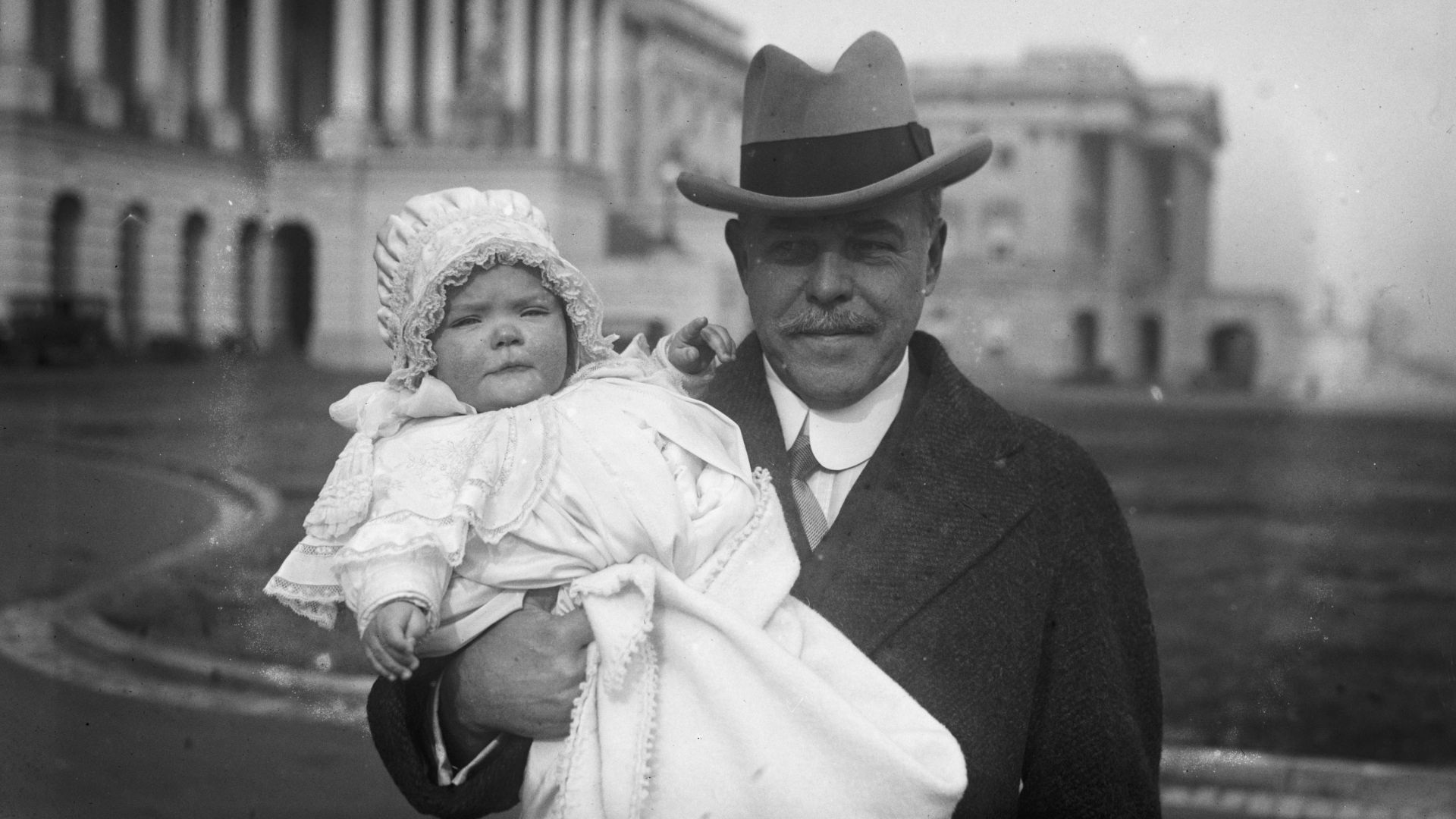
A 1914 publication from the United States Children's Bureau took the suspicion of play even further. It warned that fathers returning home from work could disturb their babies' routines by engaging in exciting games. Activities that produced laughter, including tickling and tossing, were described as potentially overstimulating. Instead of encouraging fathers to bond through play, the government's advice suggested that their enthusiasm might actually cause problems.
 National Photo Company Collection, Wikimedia Commons
Rocking A Crying Baby Was Considered A Bad Habit
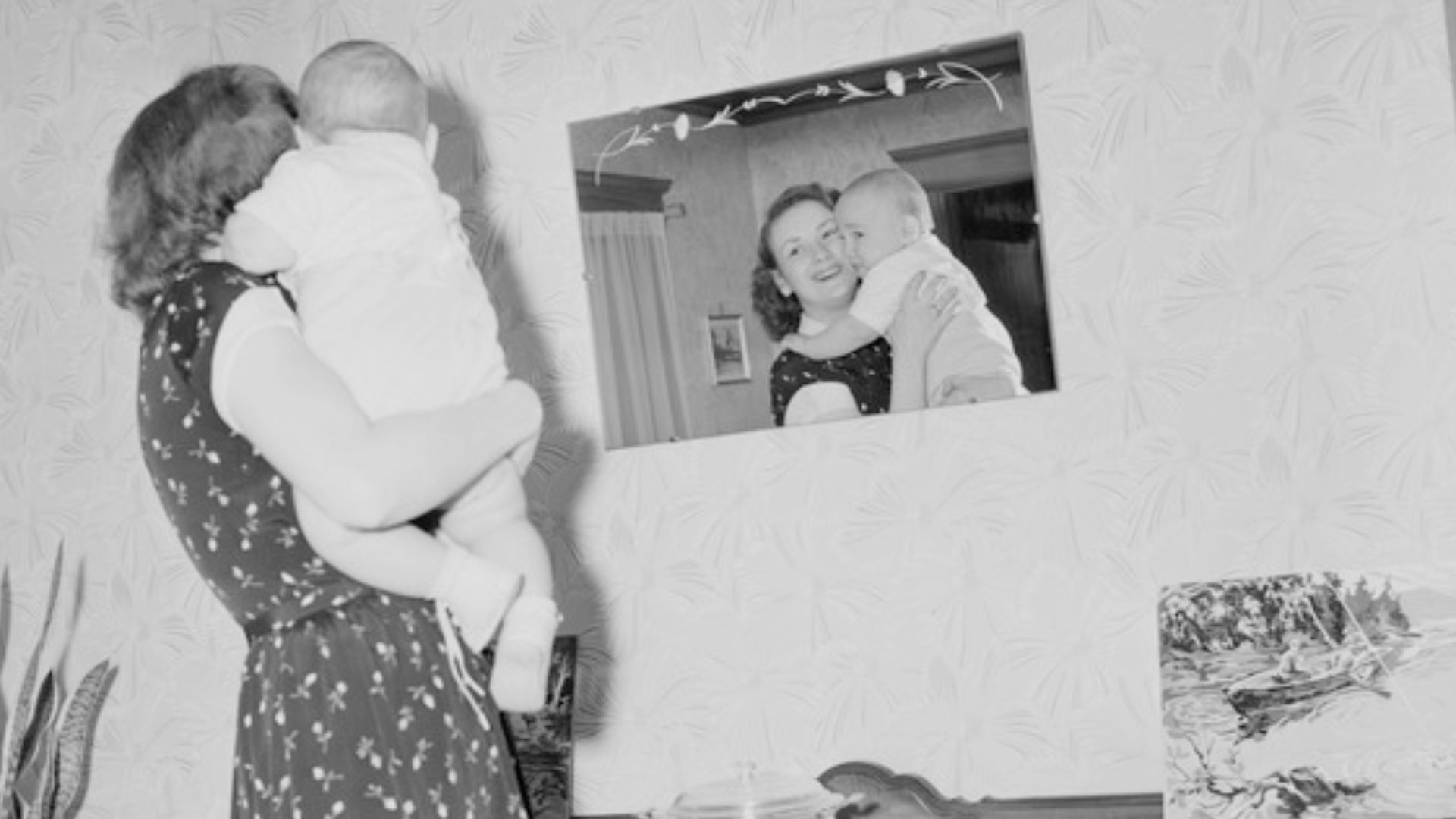
Today, rocking a baby to sleep seems perfectly natural, but early parenting manuals frequently discouraged the practice. Experts worried that babies who became accustomed to being rocked would eventually demand the same treatment every time they wanted comfort. Parents were warned that repeatedly moving a baby's crib or carriage could create dependency. The concern wasn't simply about getting babies to sleep, but about preventing them from developing supposedly troublesome expectations.
 Abdalian, Leon H., 1884-1967, Wikimedia Commons
Even Kissing Your Baby Came With Warnings
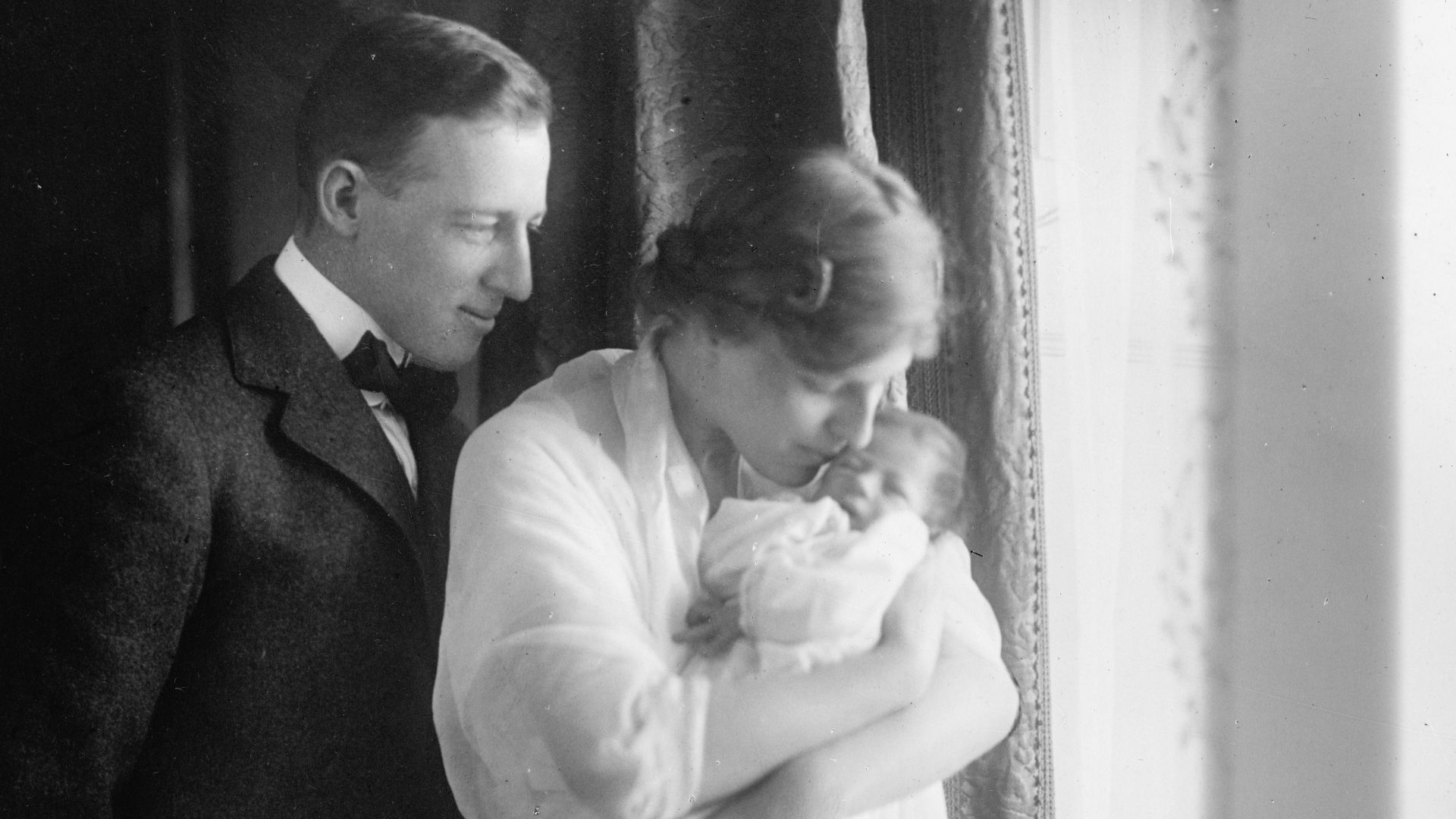
Holt also discouraged parents from kissing their infants, although his reasoning was partly based on legitimate concerns about infectious diseases. He warned that illnesses such as tuberculosis and diphtheria could spread through close contact. If parents insisted on kissing their babies, he suggested limiting affection to the cheek or forehead. The recommendation reflected an era when serious childhood infections were common and medical experts placed enormous importance on hygiene.
 Harris & Ewing, photographer, Wikimedia Commons
One Psychologist Took The Anti-Hugging Rule Even Further
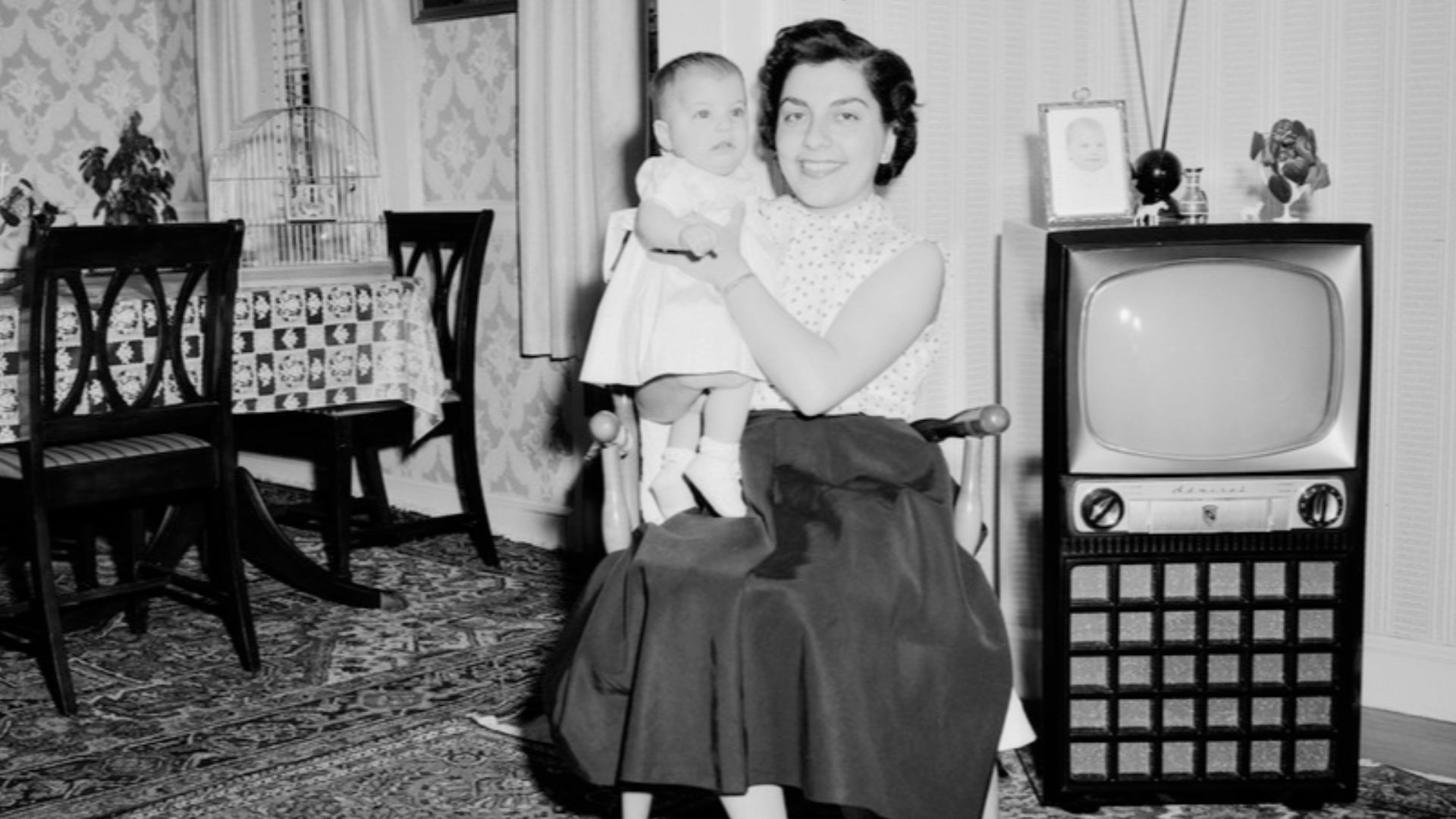
In 1928, influential psychologist John B. Watson published Psychological Care of Infant and Child, which promoted an extraordinarily strict approach to affection. Watson argued that too much physical love could make children emotionally dependent and interfere with their future independence. He famously advised parents to avoid hugging and kissing their children. Instead, he suggested treating youngsters with the reserved politeness normally associated with adults.
 Abdalian, Leon H., 1884-1967, Wikimedia Commons
Parents Were Told To Shake Hands With Their Children
Watson's advice wasn't simply to limit hugs, but to replace affectionate greetings with something much more formal. He suggested that parents greet their children with a handshake in the morning and offer only an occasional pat on the head for exceptional accomplishments. A brief kiss on the forehead at bedtime was about as much affection as he was willing to recommend. His vision of family life sounded less like a loving household and more like a particularly formal business meeting.
 National Media Museum from UK, Wikimedia Commons
Crying Was Something Parents Were Supposed To Ignore
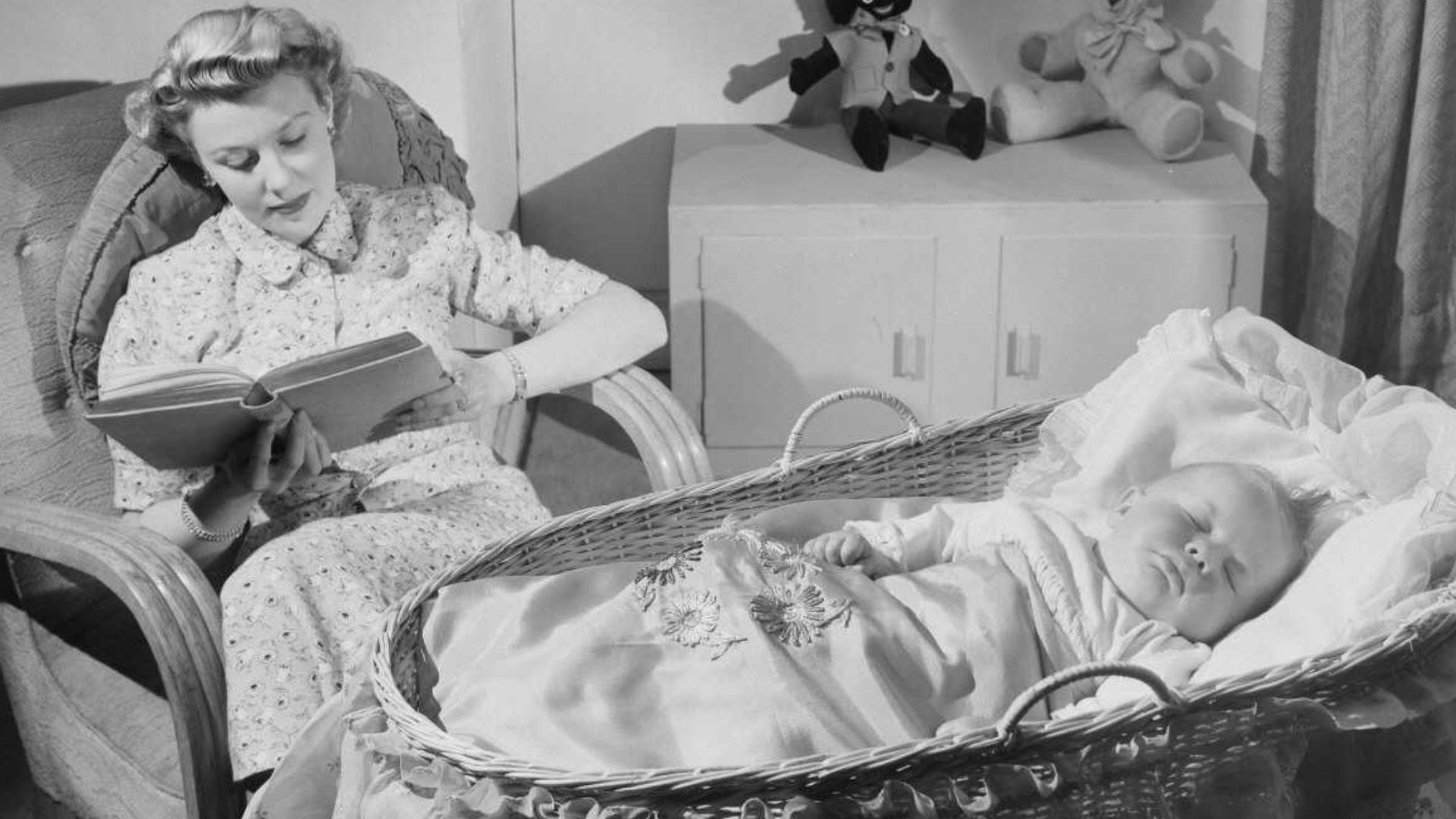
Early 20th-century parenting experts frequently warned that responding too quickly to crying could encourage bad habits. Watson believed that children needed to learn independence rather than expect constant attention from their caregivers. Within his behaviorist approach, crying could be treated as a learned response that parents might unintentionally reinforce. Modern research has since highlighted the importance of responsive caregiving and emotional connection during early development.
 Willy Pragher, Wikimedia Commons
Babies Were Expected To Eat According To The Clock
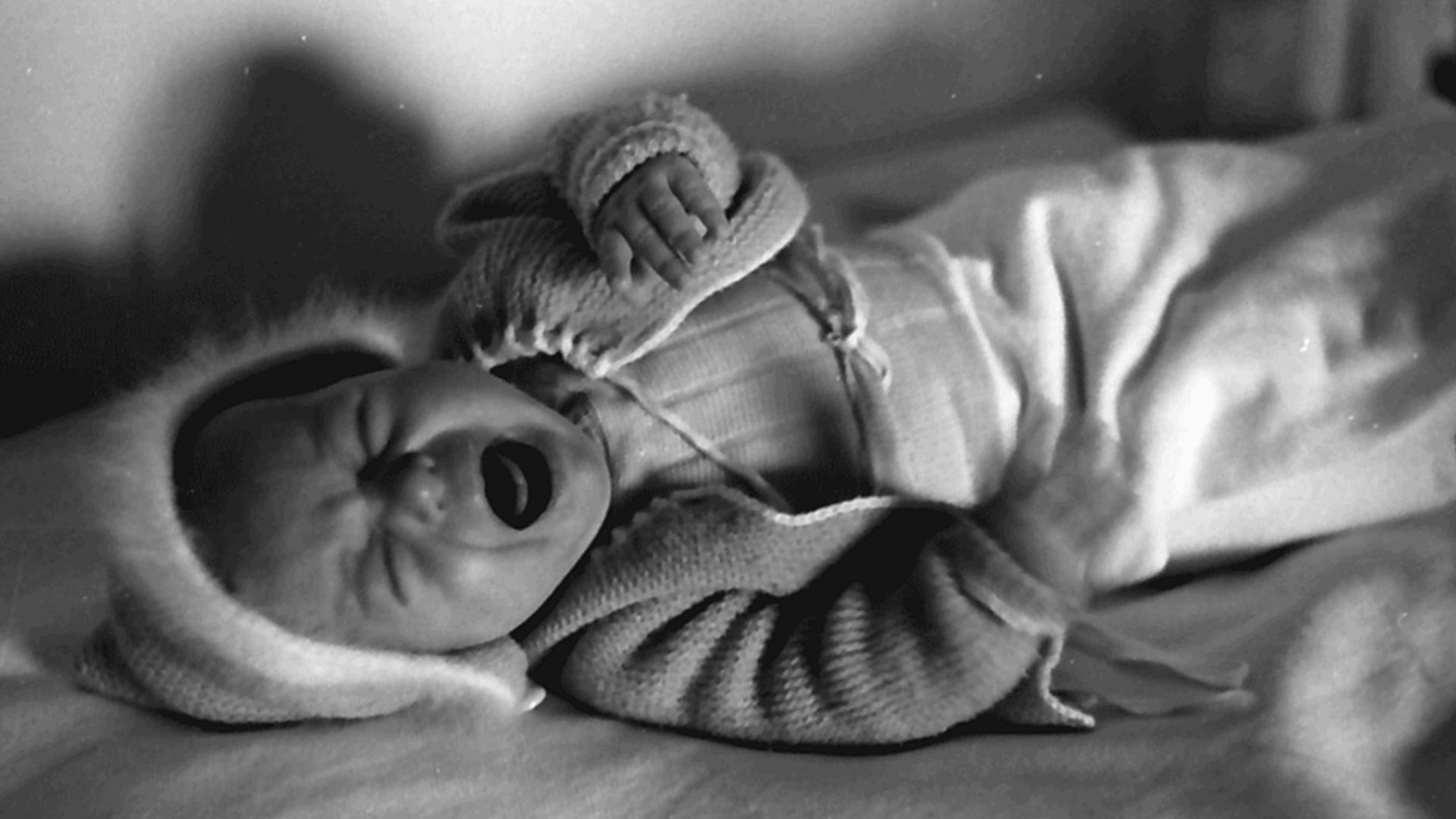
Strict feeding schedules became a cornerstone of scientific parenting advice during the early 20th century. British physician Frederic Truby King promoted carefully regulated routines, and his methods influenced infant-care recommendations in Britain and beyond. Parents were instructed to organize feeding around predetermined intervals rather than simply offering milk whenever their babies appeared hungry. The emphasis on regularity sometimes left little room for differences between individual infants.
 Department of State. Agency for International Development. 1961-10/1/1979, Wikimedia Commons
Nighttime Feeding Was Supposed To Follow The Rules Too
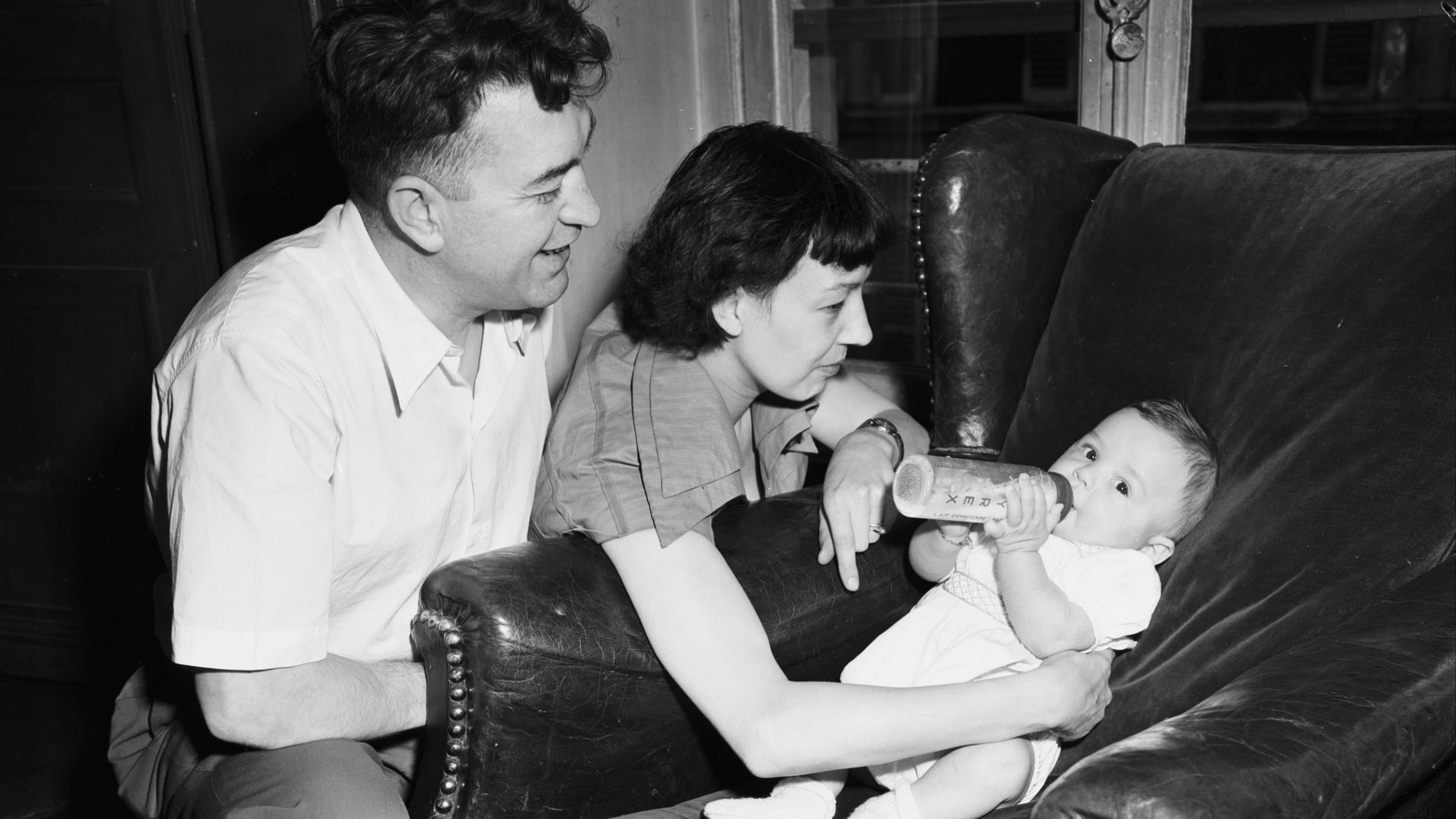
Truby King's approach eventually promoted longer intervals between feeds and extended nighttime breaks. Supporters believed these routines would encourage regular digestion and sleeping habits while helping mothers maintain orderly households. Such schedules could be demanding for parents attempting to follow the instructions precisely. Later experts increasingly recognized that babies' feeding needs vary, leading to greater acceptance of feeding in response to hunger cues.
 Willem van de Poll, Wikimedia Commons
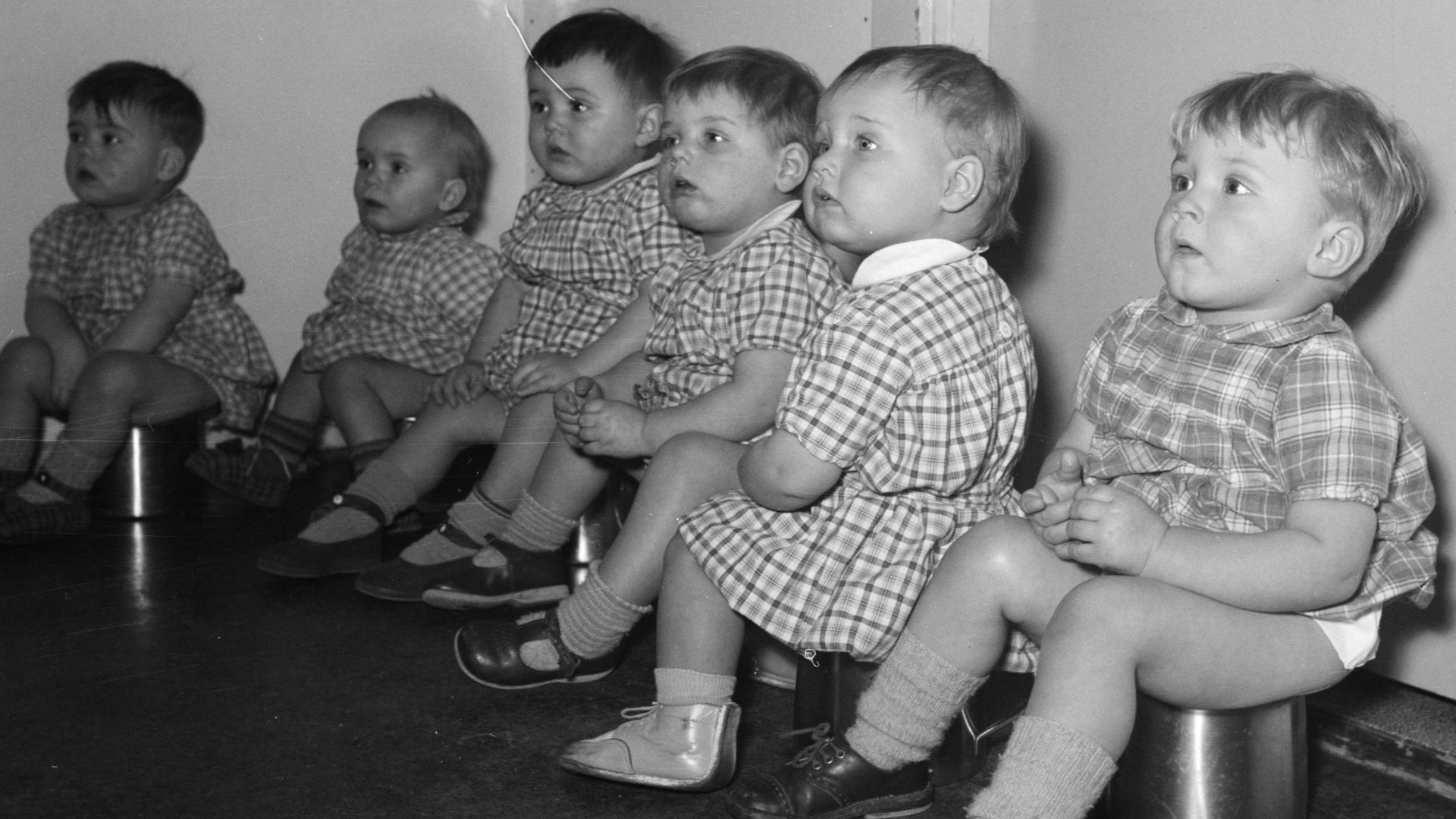
Babies Were Supposed To Be Toilet Trained Almost Immediately
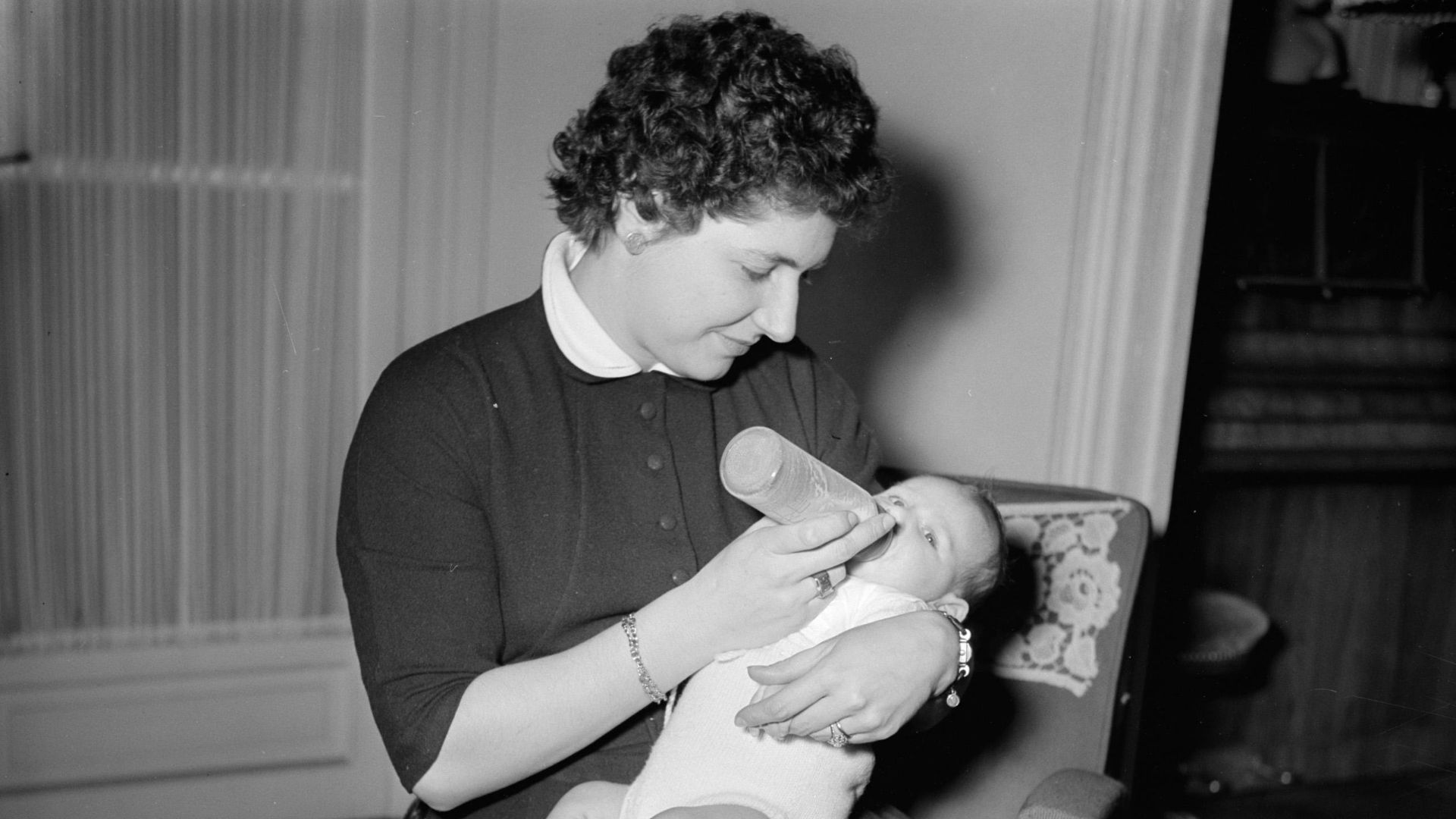
Perhaps one of the strangest historical recommendations involved toilet training newborns. In the late 19th century, Holt suggested that parents could begin establishing bowel habits when their babies were only about a month old. He believed a sufficiently regular routine might produce results by three months. Modern parents struggling to potty train toddlers would probably find that expectation especially unbelievable.
 Willem van de Poll, Wikimedia Commons
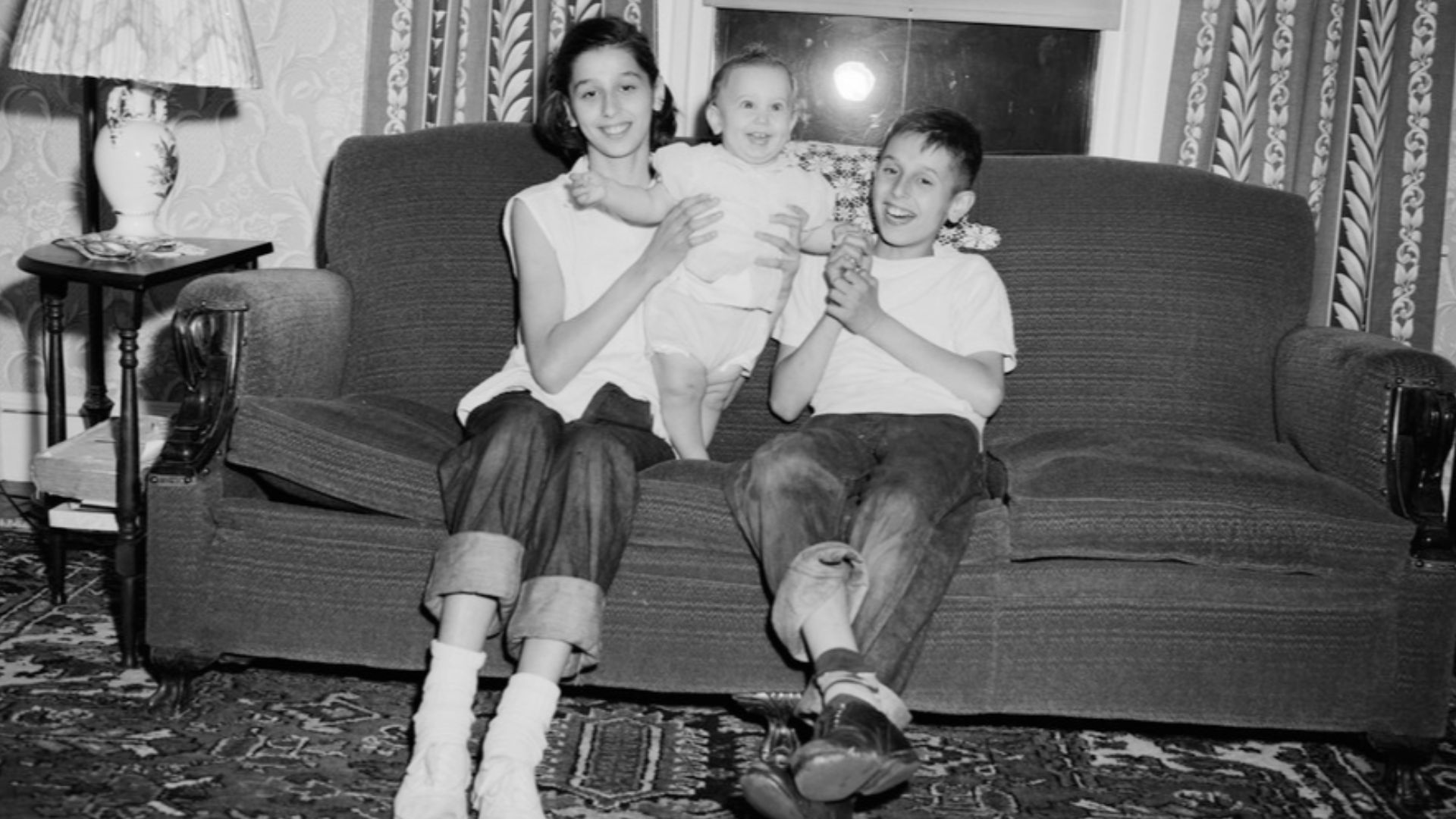
Soap Was Once Suggested As A Toilet Training Tool
Holt's recommendations could become even more extreme when babies failed to cooperate with their carefully planned bathroom schedules. His 1894 book suggested using a small soap suppository to encourage a bowel movement when necessary. The method reflected the intense pressure experts placed on achieving predictable bodily functions. It also illustrates how far some historical recommendations departed from today's emphasis on developmental readiness.
 Abdalian, Leon H., 1884-1967, Wikimedia Commons
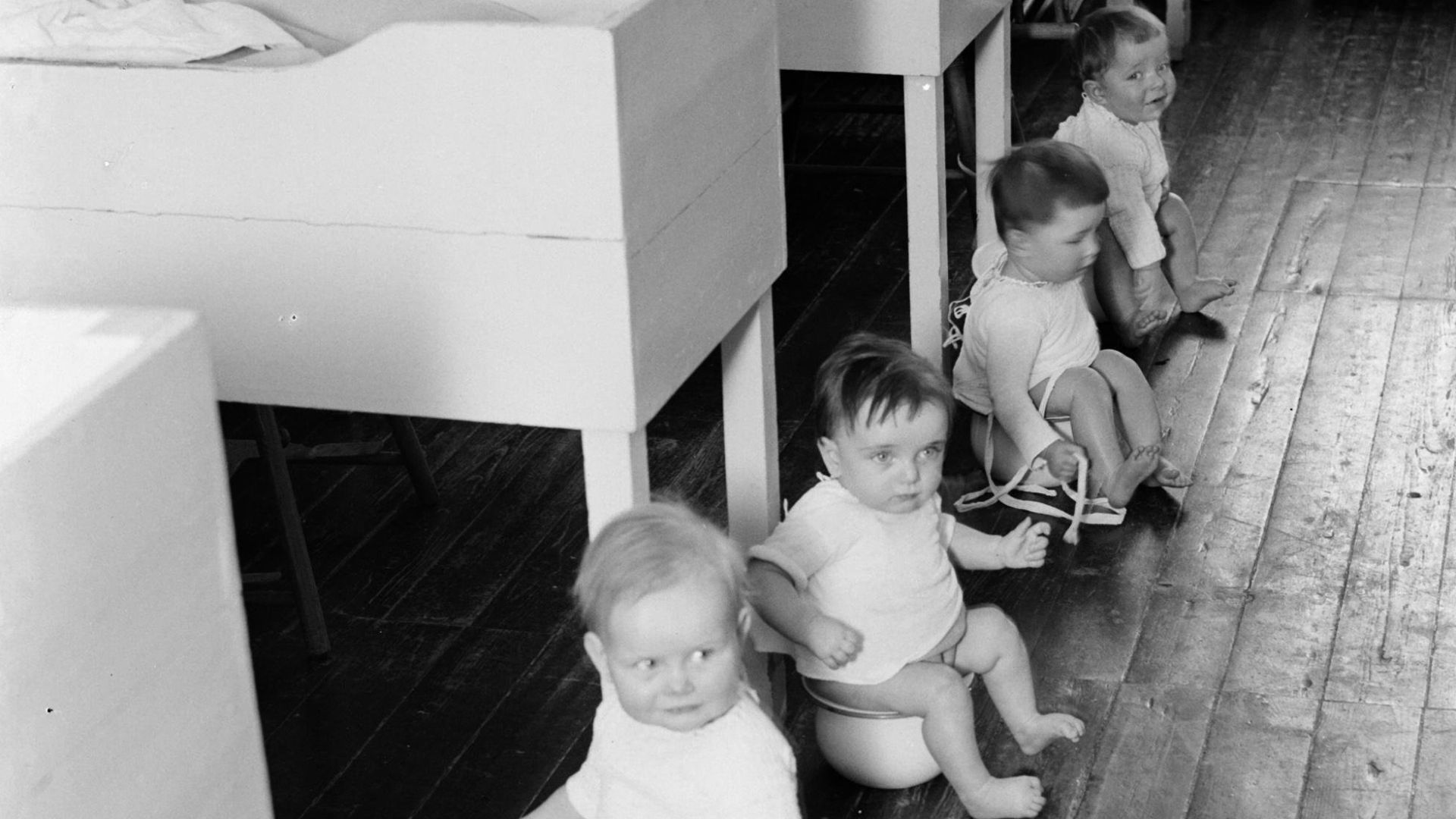
The Government Wanted Babies On A Potty Schedule
The obsession with early toilet training wasn't confined to individual doctors. A 1926 edition of the U.S. Children's Bureau's Infant Care advised that bowel training could begin at the end of the first month. Regular timing was presented as the essential ingredient for success. A 1935 edition even illustrated the process with a clock, reinforcing the idea that babies should learn to follow a schedule almost from birth.
 Willem van de Poll, Wikimedia Commons
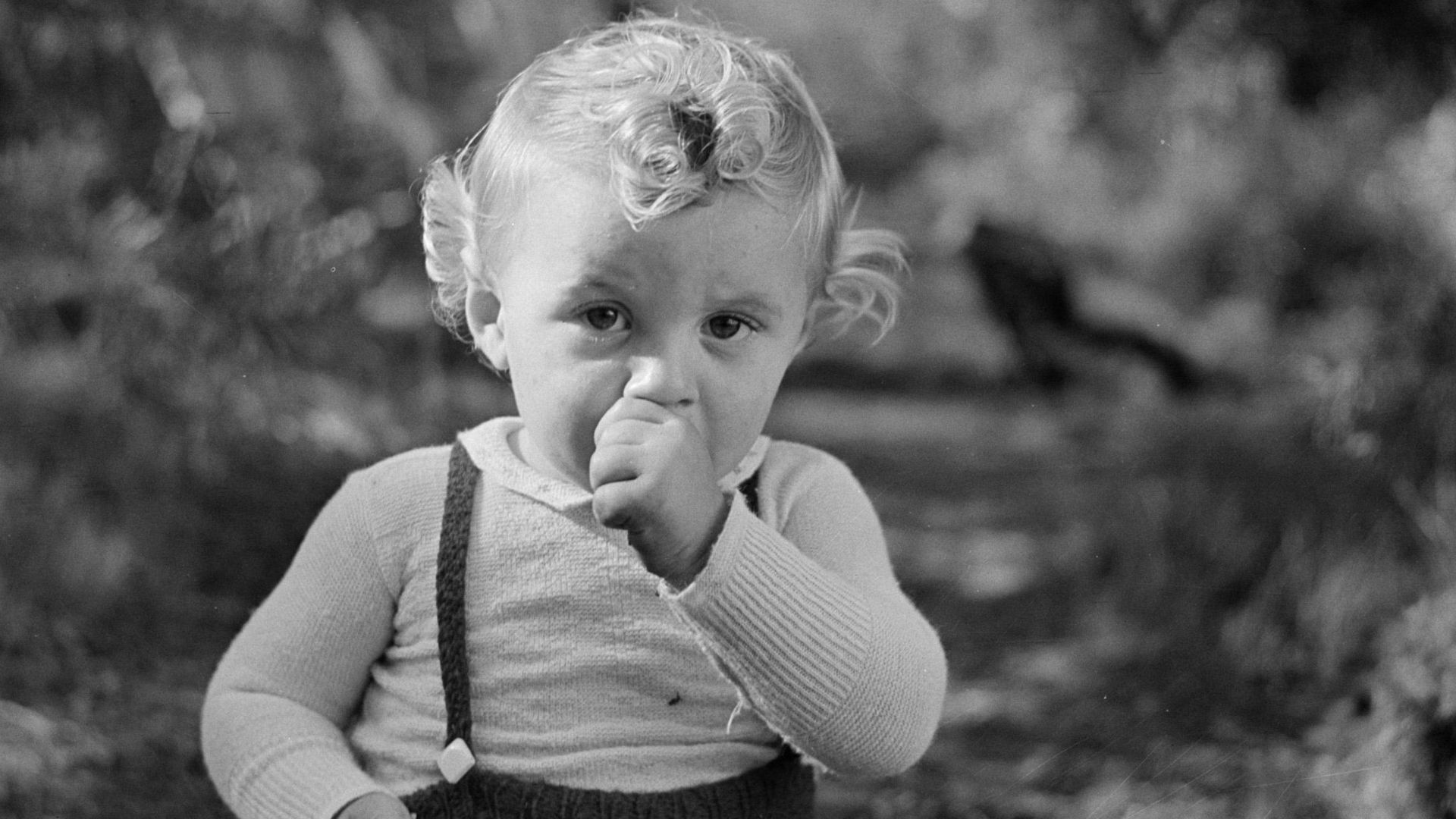
Thumb-Sucking Was Treated Like A Serious Problem
Early parenting experts also worried about babies developing habits that seemed perfectly ordinary. Thumb-sucking was frequently portrayed as something parents needed to stop before it became established. The 1914 edition of Infant Care suggested covering a baby's fingers with a sewn-down sleeve or cotton mitten. What modern parents might recognize as self-soothing behavior was once treated as an undesirable habit requiring intervention.
 Willem van de Poll, Wikimedia Commons
Some Experts Recommended Restraining Babies' Arms
Holt proposed particularly harsh methods for preventing thumb-sucking, including restricting an infant's arm movements at night. Historical accounts describe recommendations involving restraints attached to the sides of a crib. Other methods included bulky mittens and unpleasant-tasting substances applied to children's thumbs. These practices reflected the extraordinary lengths some experts believed parents should go to control supposedly harmful behaviors.

Fresh Air Was Considered Almost As Important As Food
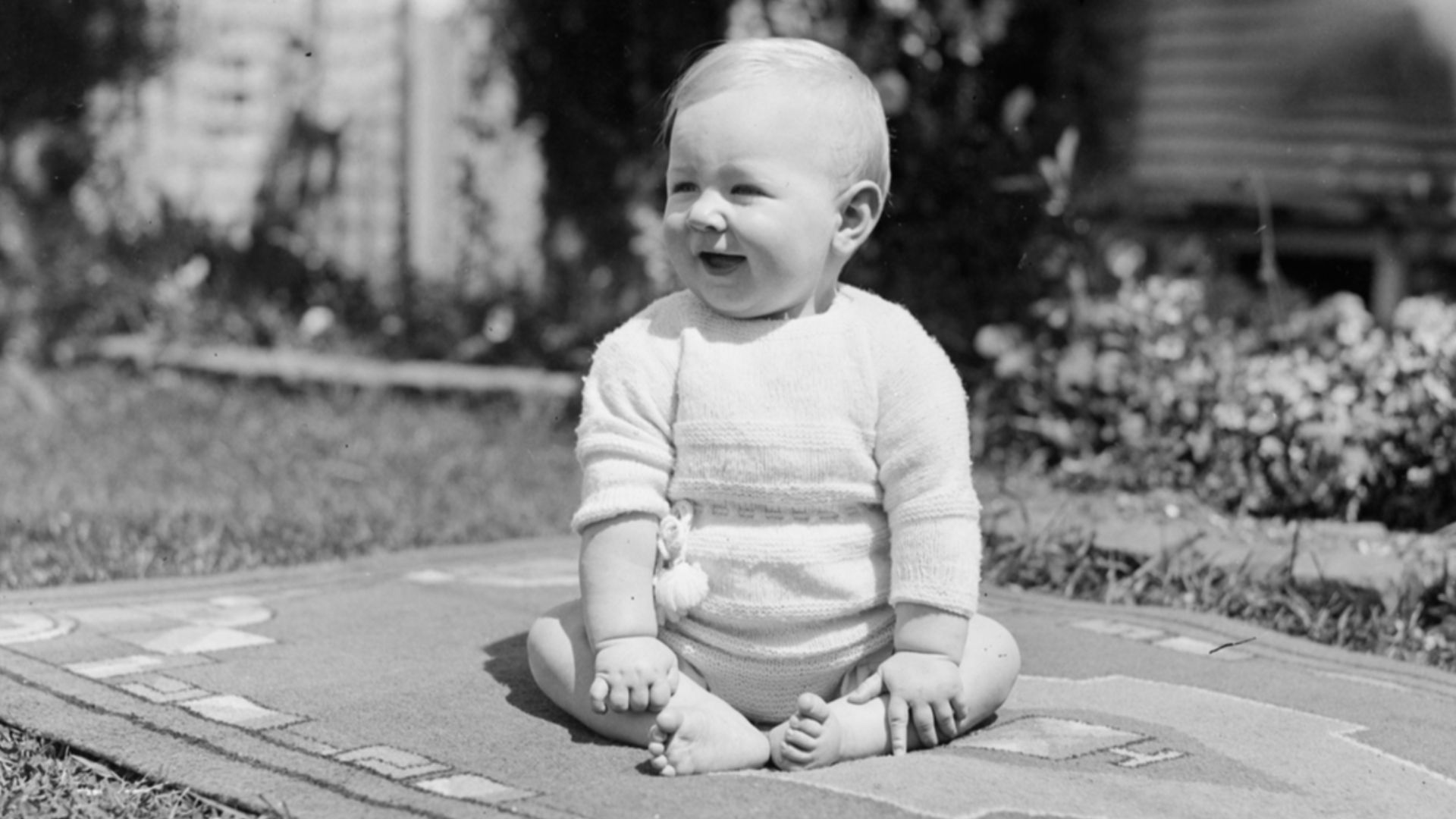
During the early 20th century, doctors became enthusiastic advocates of giving babies enormous amounts of fresh air. Some believed that outdoor exposure could improve appetite, strengthen the body, and help prevent illness. Pediatrician Louis Fischer promoted fresh air as essential to infant health in his widely circulated parenting books. This enthusiasm eventually inspired one of the most astonishing baby-care inventions in history.
 Collins, Tudor Washington, 1898-1970, photographer, Wikimedia Commons
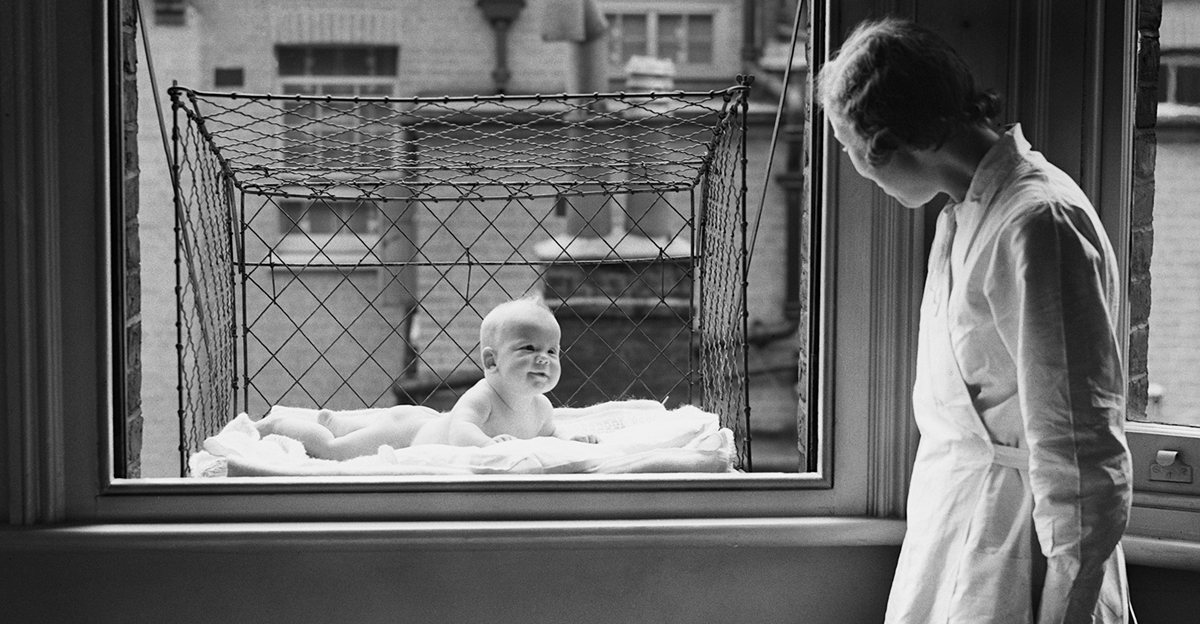
Parents Were Told To Hang Babies Outside Windows
In the early 20th century, special window-mounted cribs allowed babies to spend time outdoors while suspended above city streets. These structures were often enclosed with wire mesh and attached to apartment windows. In 1923, Emma Read received a patent for a device known as a baby cage. The invention was intended to provide fresh air for infants whose families lacked access to private gardens or spacious balconies.
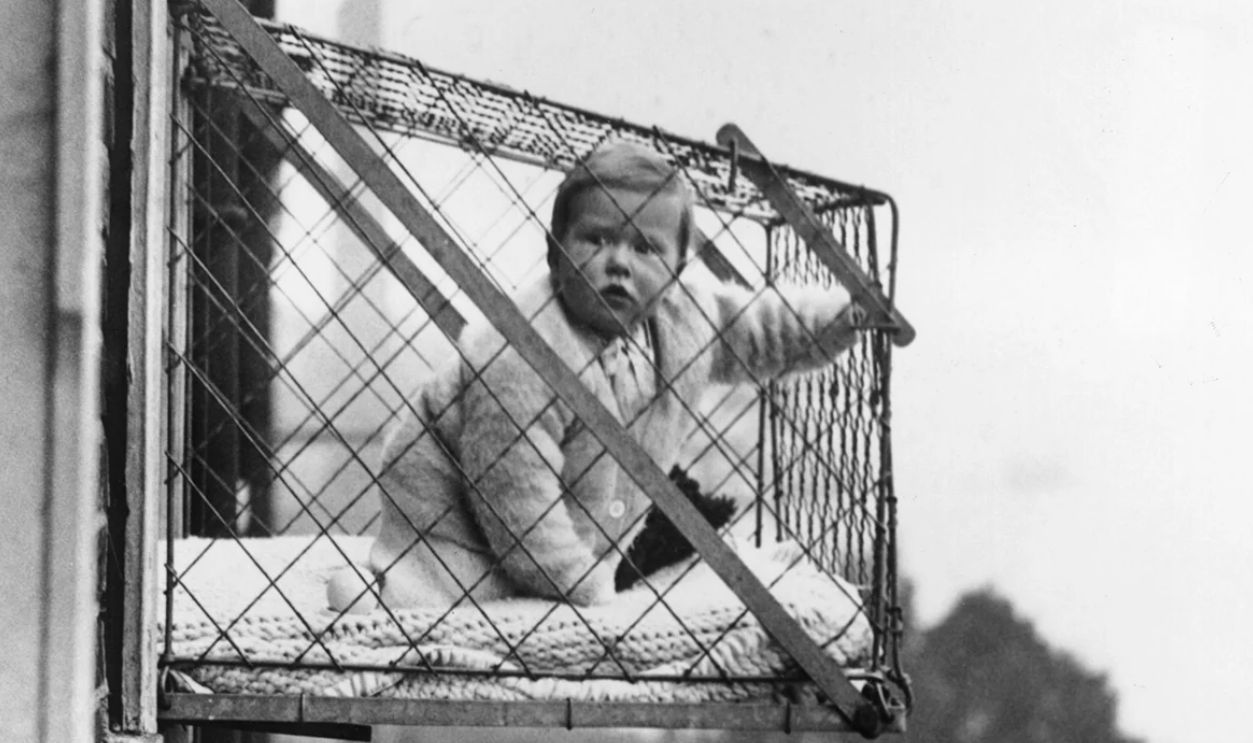
Doctors Actually Endorsed Window Cribs
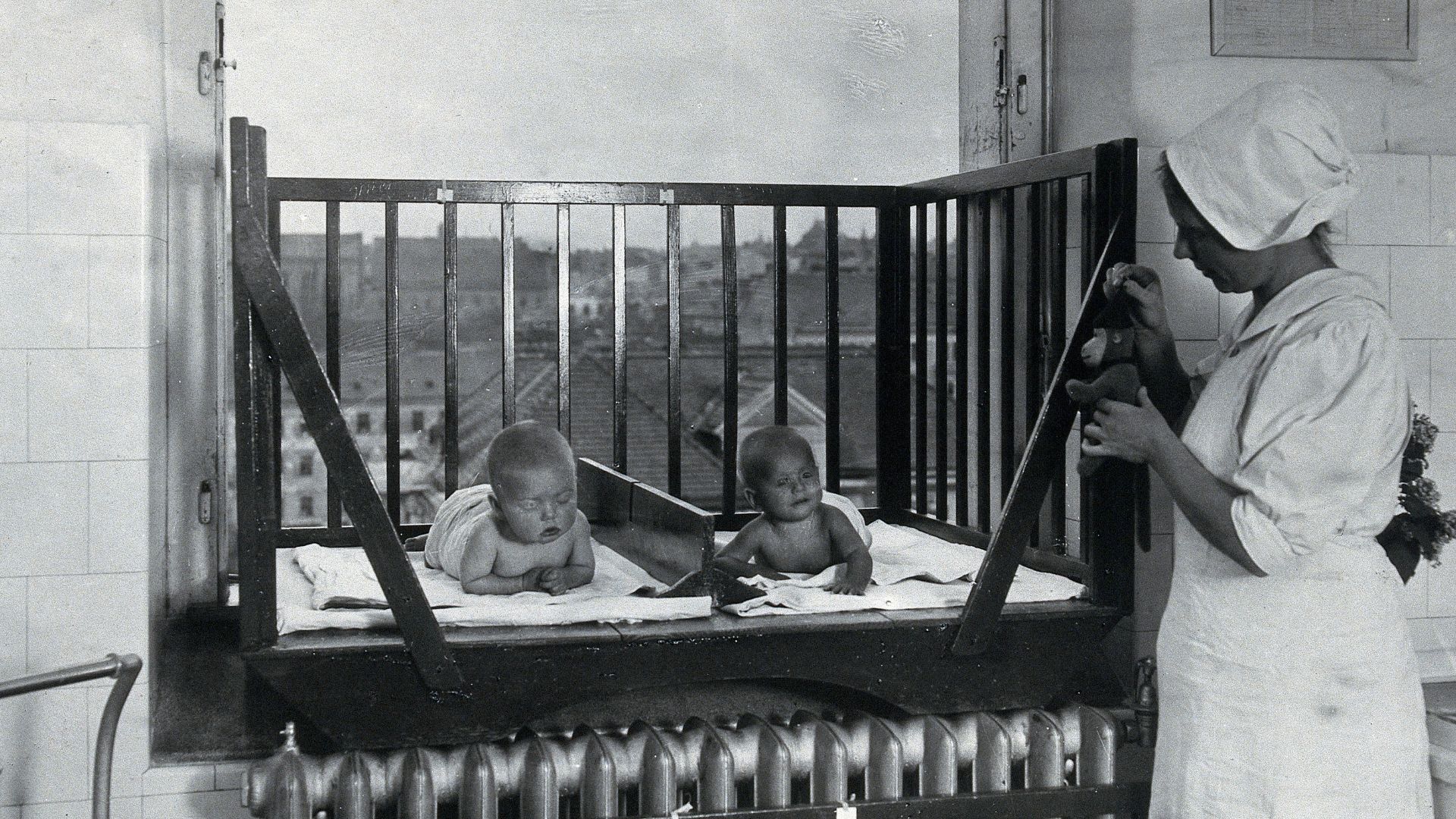
The window-crib craze wasn't merely an eccentric invention promoted by enthusiastic parents. Fischer's 1920 parenting book featured the Boggins Window Crib and endorsed its safety. These devices promised the benefits of outdoor exposure without requiring families to leave their apartments. Although the concept reflected genuine concerns about crowded urban housing, the sight of a baby suspended outside a building remains startling today.
Babies Were Encouraged To Get A Tan
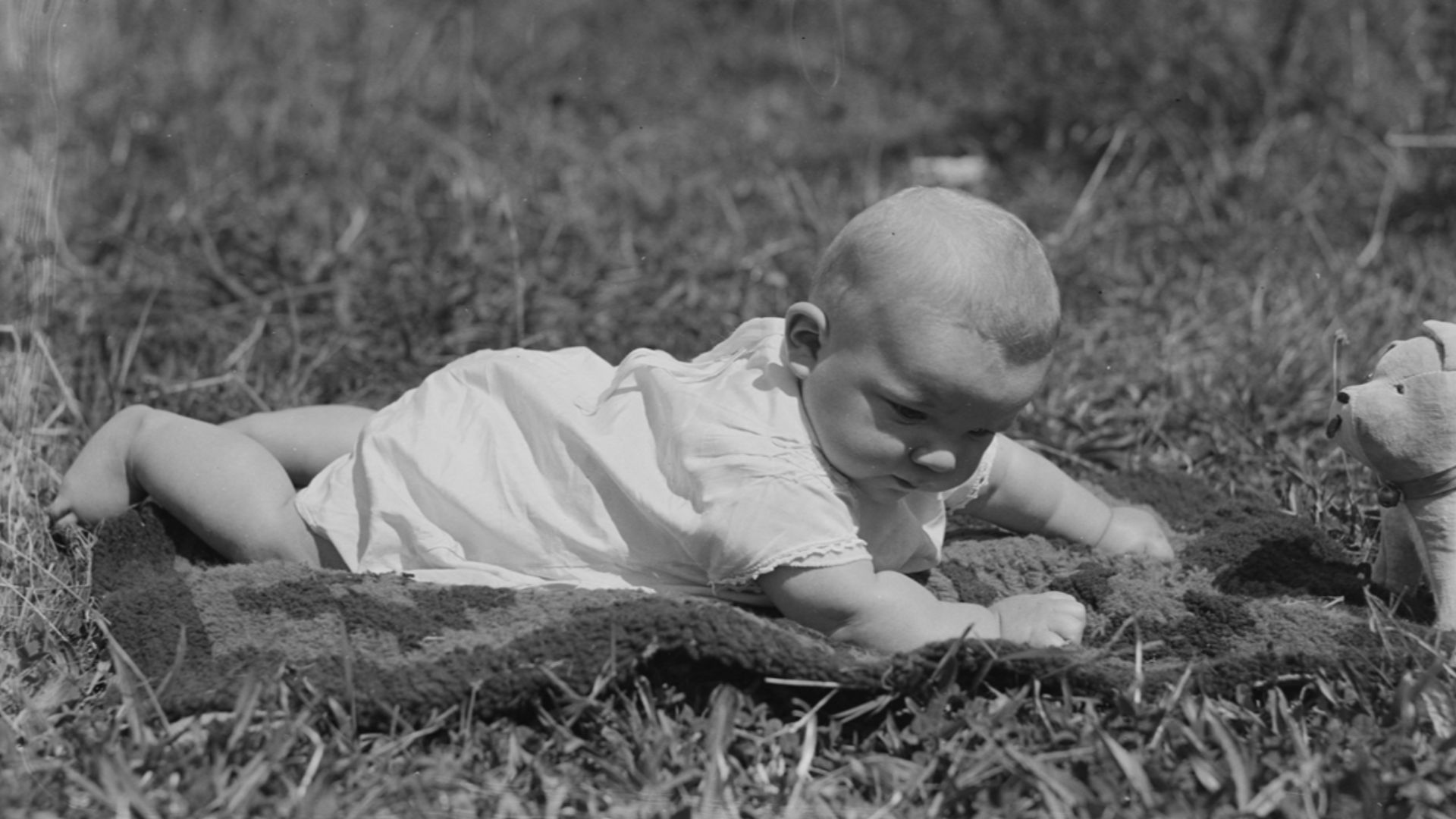
Fresh air wasn't the only outdoor remedy that attracted enthusiastic medical support. In the 1930s, parenting publications also encouraged exposing infants to sunshine, partly because sunlight helped prevent rickets. The 1935 edition of Infant Care even promoted sunbathing as a way for babies to develop a healthy tan. Modern advice instead emphasizes protecting infants from excessive ultraviolet exposure, especially during their first six months.
 Collins, Tudor Washington, 1898-1970, photographer, Wikimedia Commons
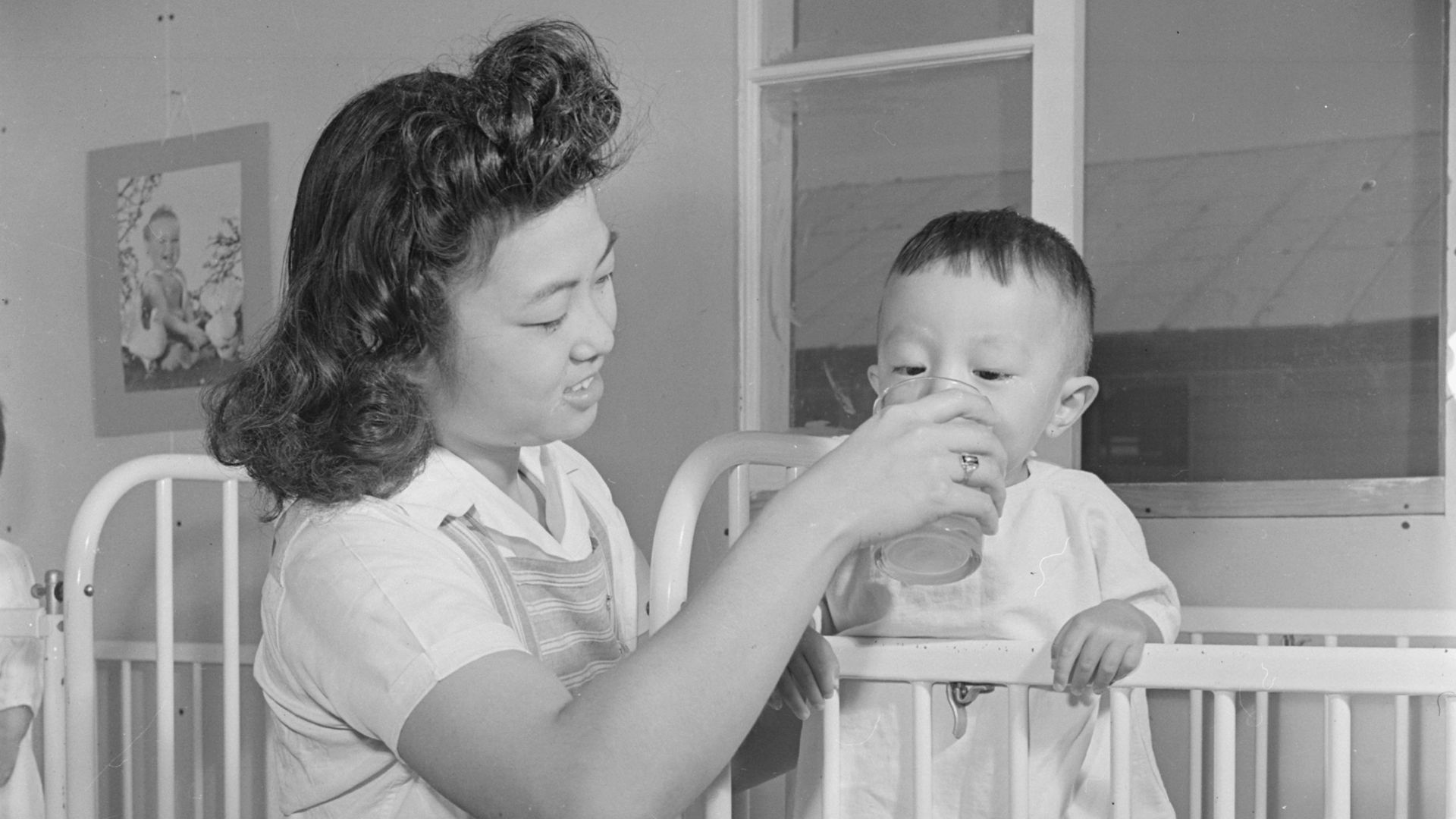
Some Babies Were Given Orange Juice At Six Weeks
Mid-20th-century feeding advice could be surprisingly adventurous by today's standards. In his influential 1946 book, Dr. Benjamin Spock recommended introducing orange juice when babies were just six weeks old. He also suggested beginning solid foods much earlier than most current recommendations. Parents following his guidance might have been introducing new flavors while their babies were still extremely young.
 Francis Stewart, Wikimedia Commons
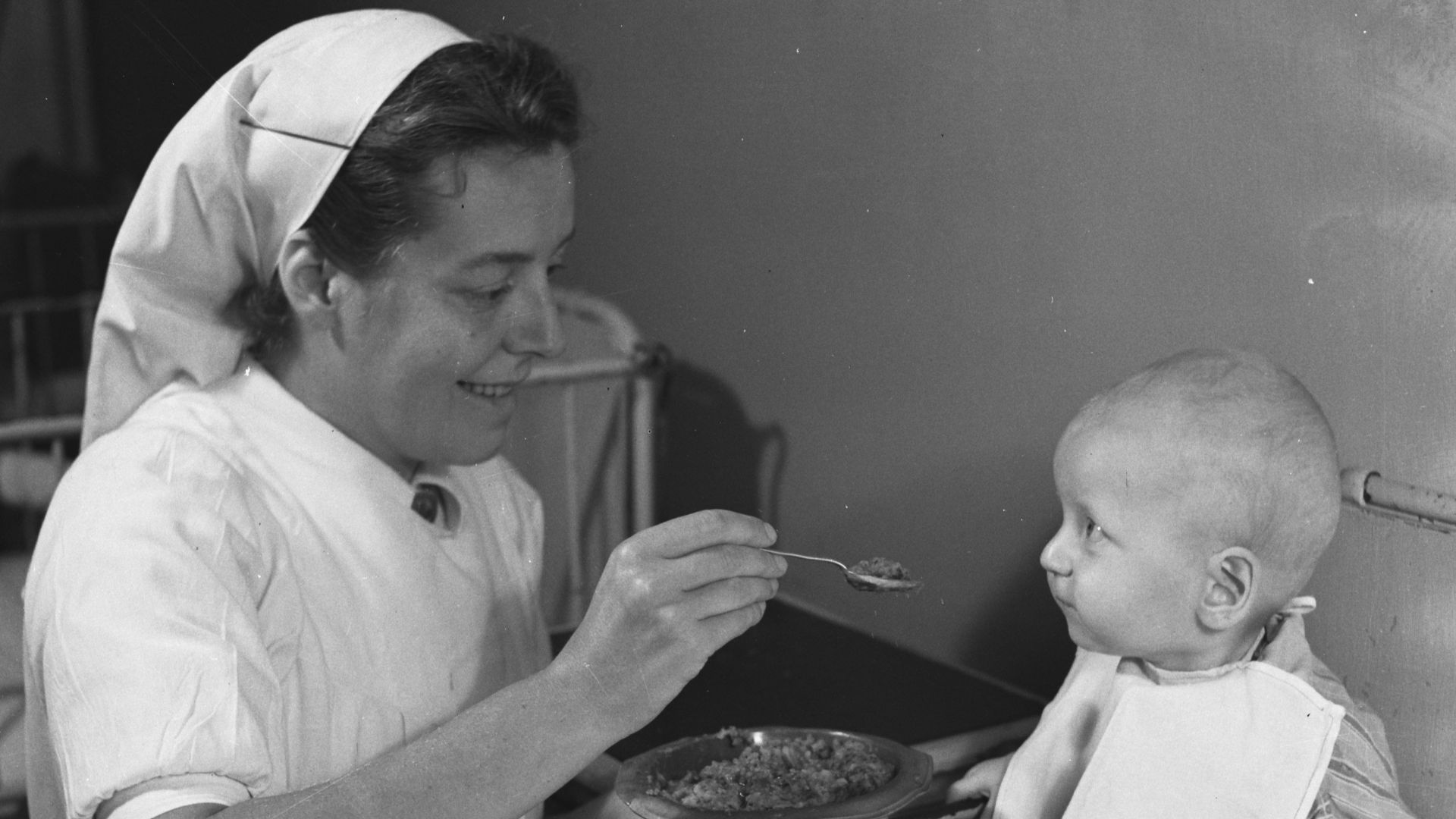
Solid Foods Were Once Recommended At One Month
Recommendations about when babies should start eating solid foods changed dramatically throughout the 20th century. Historical research shows that suggested starting ages fell from around twelve months in some earlier guidance to as little as one month by the middle of the century. Cereal, fruit, vegetables, and other foods began appearing in feeding plans at increasingly young ages. This trend would eventually reverse as medical understanding of infant nutrition developed.
 Fotograaf Onbekend / Anefo, Wikimedia Commons
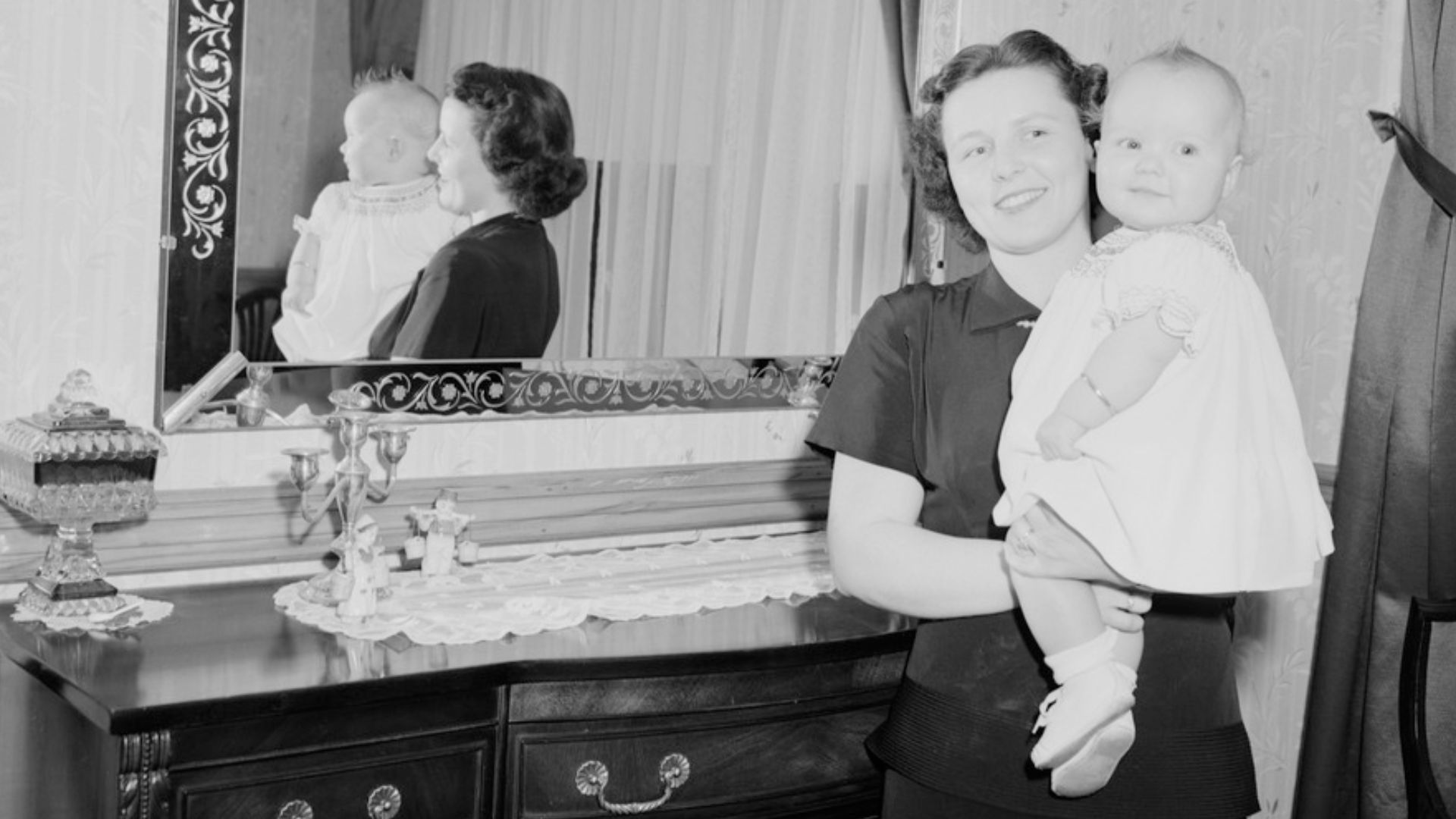
One Doctor Finally Told Parents To Trust Themselves
When Spock published The Common Sense Book of Baby and Child Care in 1946, his approach challenged some of the stricter parenting philosophies that came before him. Instead of treating affection as dangerous, he encouraged parents to show their children love and respond to their individual needs. His reassuring message suggested that parents already understood more about caring for their children than they realized. It was a remarkable departure from the stern instructions of earlier experts.
 Abdalian, Leon H., 1884-1967, Wikimedia Commons
But Even Dr. Spock Got Something Important Wrong
Despite his more compassionate philosophy, Spock's advice wasn't always consistent with later medical discoveries. Early editions of his parenting book recommended that babies sleep on their stomachs, a position later associated with an increased risk of sudden infant death syndrome. For years, stomach sleeping was widely accepted as normal infant care. The eventual reversal would become one of the most consequential changes in modern parenting advice.
 Steve Evans from Citizen of the World, Wikimedia Commons
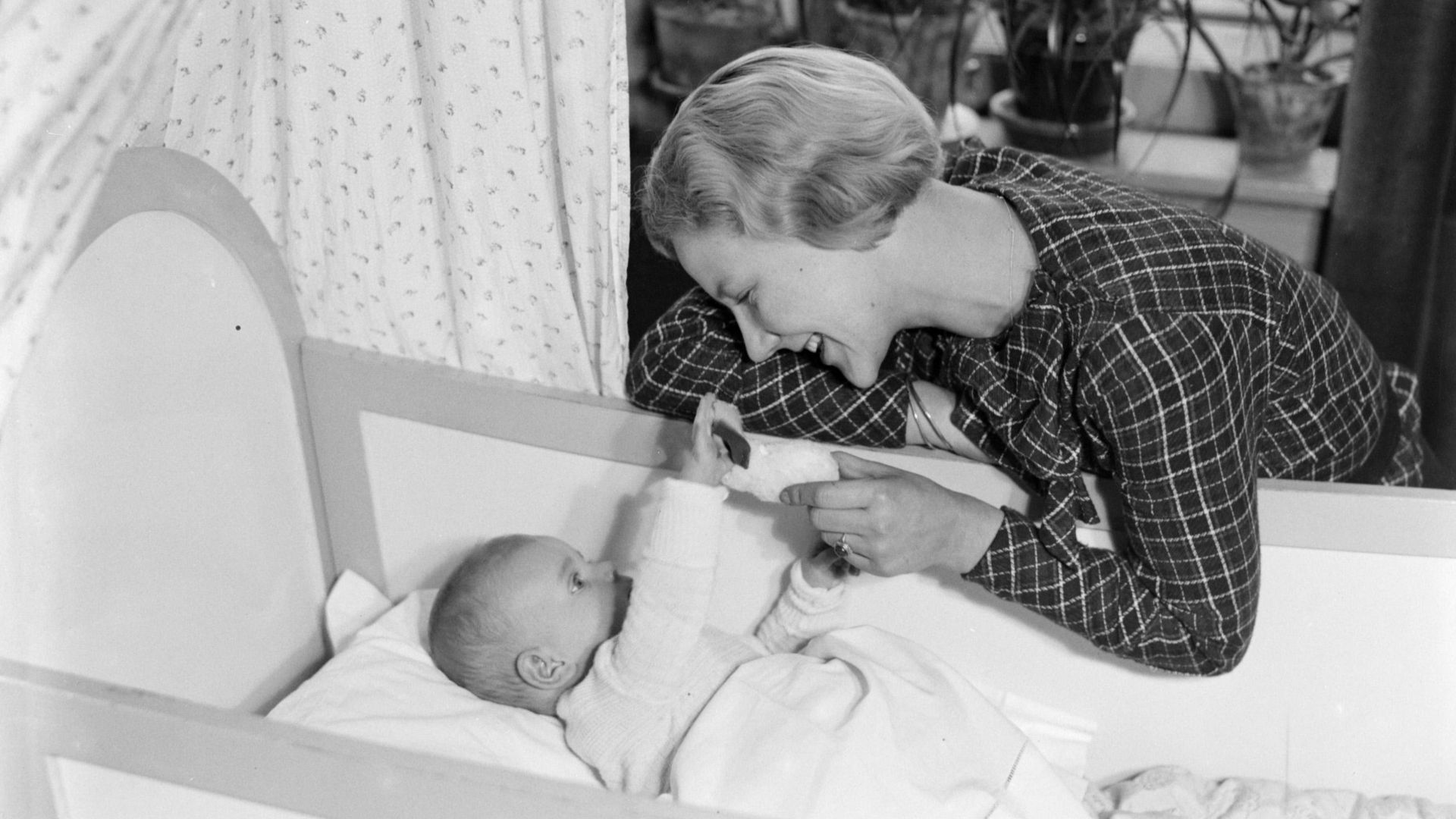
The Back-To-Sleep Campaign Changed Everything
In 1992, the American Academy of Pediatrics recommended placing healthy infants on their backs or sides rather than their stomachs for sleep. Two years later, the national Back to Sleep campaign began educating American parents about reducing the risk of sudden infant death syndrome. The guidance was subsequently strengthened to favor back sleeping over side sleeping. Public health research linked these changes to substantial reductions in sudden infant death syndrome deaths.
 Willem van de Poll, Wikimedia Commons
Even The Experts Couldn't Agree About Crying
By the late 20th century, parenting advice had become a battleground between competing philosophies. Pediatrician William Sears promoted attachment parenting, emphasizing close emotional bonds and responding to babies' needs. Meanwhile, Gina Ford's 1999 book The Contented Little Baby Book encouraged structured routines and allowing babies to cry for specified periods. After decades of changing recommendations, parents were still receiving sharply different instructions about one of the most basic parts of raising a child.

The Biggest Parenting Lesson Might Be About The Experts
Looking back at centuries of parenting advice reveals just how often expert recommendations reflected the beliefs of their own time. Practices once presented as essential to raising healthy children were sometimes abandoned when better evidence became available. Some changes, particularly those involving infant sleep safety, were supported by important medical discoveries, while others reflected changing cultural attitudes toward childhood. The history of parenting advice is a reminder that even confident experts can be wrong, and that good parenting guidance should remain open to new evidence.
 Hikaru Iwasaki, Wikimedia Commons
You May Also Like:
Gentle Parenting Methods That Confuse Older Generations
The Best Home Plants For Cleaner Air
Old School Manners Today's Parents Aren't Teaching Their Kids