

Your Brain Might Be Begging You To Take A Vacation
When was the last time you took a vacation without checking your work emails, worrying about deadlines, or thinking about everything waiting for you at home? Taking time away from your usual responsibilities might feel like a luxury, but research suggests vacations can make a meaningful difference to your psychological well-being. In fact, scientists have discovered that getting away from everyday pressures can offer benefits that extend beyond simply feeling relaxed on a beach.

Scientists Have Some Very Good News For Travelers
A 2025 meta-analysis published in the Journal of Applied Psychology examined 32 studies involving vacation experiences and employee well-being. Researchers found that vacations had a substantial positive effect on well-being, with benefits lasting longer than earlier research had suggested. Their findings also revealed something particularly interesting about how people should spend their time away.
The Secret Is Actually Disconnecting
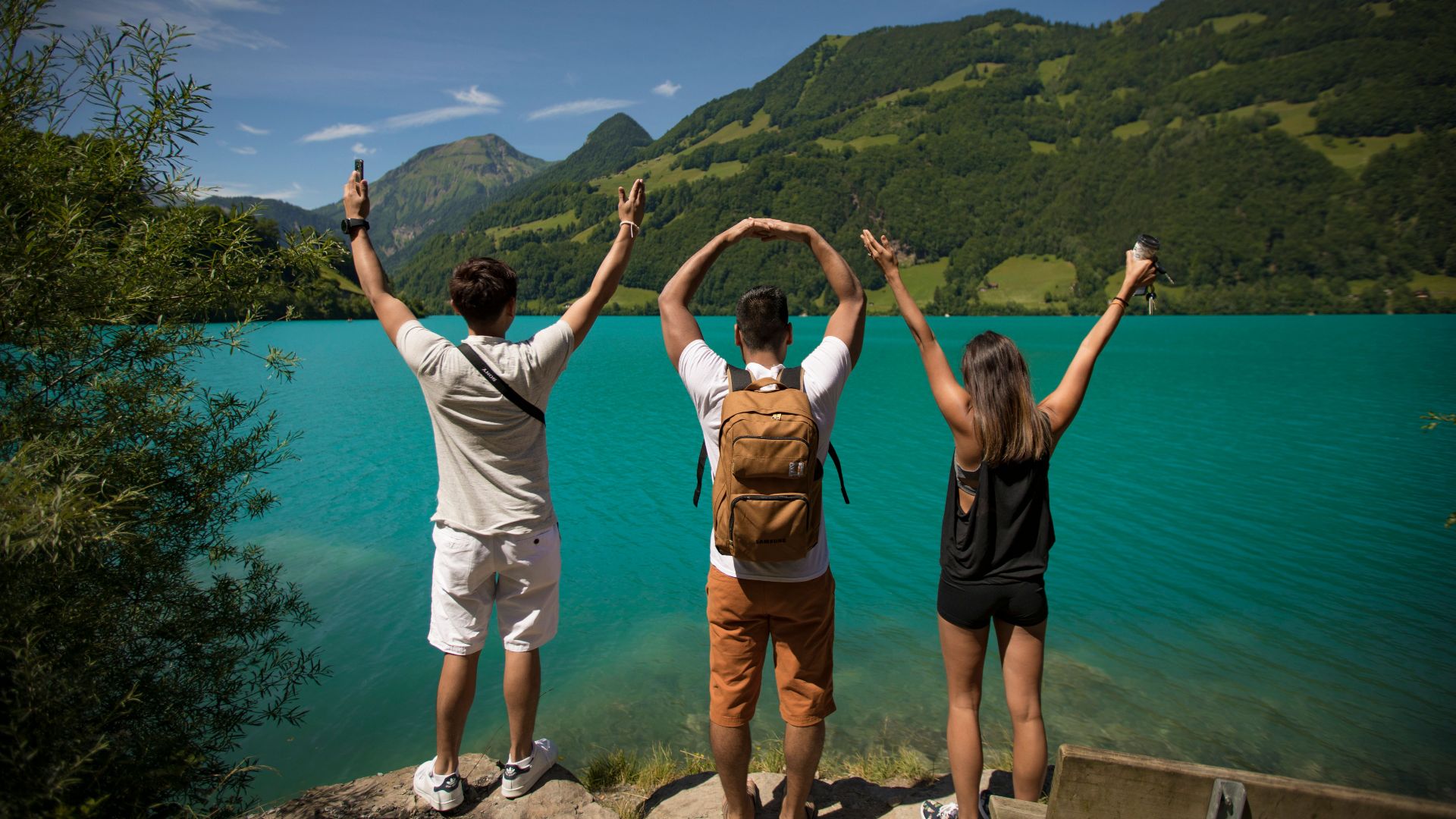
One of the strongest findings from that research involved psychological detachment, which means mentally switching off from work. People who successfully disengaged from their professional responsibilities tended to experience greater improvements in well-being during and after their vacations. Simply changing your physical location isn't necessarily enough if your mind remains stuck at the office.

Your Stress Levels Finally Get A Break
Chronic workplace stress can leave people feeling exhausted, cynical, and increasingly disconnected from their jobs. The World Health Organization identifies these characteristics as central features of occupational burnout, which develops when workplace stress has not been successfully managed. Vacations provide an opportunity to interrupt that cycle by temporarily removing the demands that contribute to everyday work-related stress.

Burnout Doesn't Disappear Overnight
Taking a vacation can help people recover from work-related exhaustion, but it isn't necessarily a permanent solution to burnout. A study involving 131 teachers found that burnout levels declined after vacations, although the improvements faded within a month. Researchers also discovered that heavier workloads following a vacation accelerated the disappearance of those benefits.

Your Mood Can Improve Surprisingly Quickly
You don't necessarily have to wait until the final days of a vacation to notice a psychological difference. A study involving 144 employees found that participants reported better emotional well-being while vacationing than before they left. They experienced improvements in both energy and negative emotional states, suggesting that the recovery process can begin while people are still enjoying their time away.

Even Planning A Vacation Can Make You Happier
The mental health benefits of travel may begin before you've packed a suitcase. A Dutch study involving 1,530 participants found that people preparing for vacations reported slightly higher happiness levels than those who weren't going away. Researchers suggested that anticipating an upcoming holiday could help explain the difference, although the study did not establish that planning itself caused the improvement.

Having Something To Look Forward To Matters
There's something appealing about knowing a break from your routine is approaching. The Dutch vacation study suggested that anticipation may contribute to the happiness associated with upcoming travel, sometimes weeks or months before departure. That means choosing a destination, researching activities, and looking forward to time off can be enjoyable parts of the experience, even if the precise psychological effects of planning remain difficult to isolate.
 ShotPrime Studio, Shutterstock
Your Brain Could Benefit From A Change Of Scenery
Travel introduces opportunities to experience different environments, and research suggests those surroundings can influence psychological well-being. Studies examining exposure to natural settings have identified associations with improved mood and reduced stress. Although changing scenery alone doesn't guarantee better mental health, choosing destinations with restorative environments may add another dimension to your vacation.
Nature Has Some Remarkable Psychological Benefits
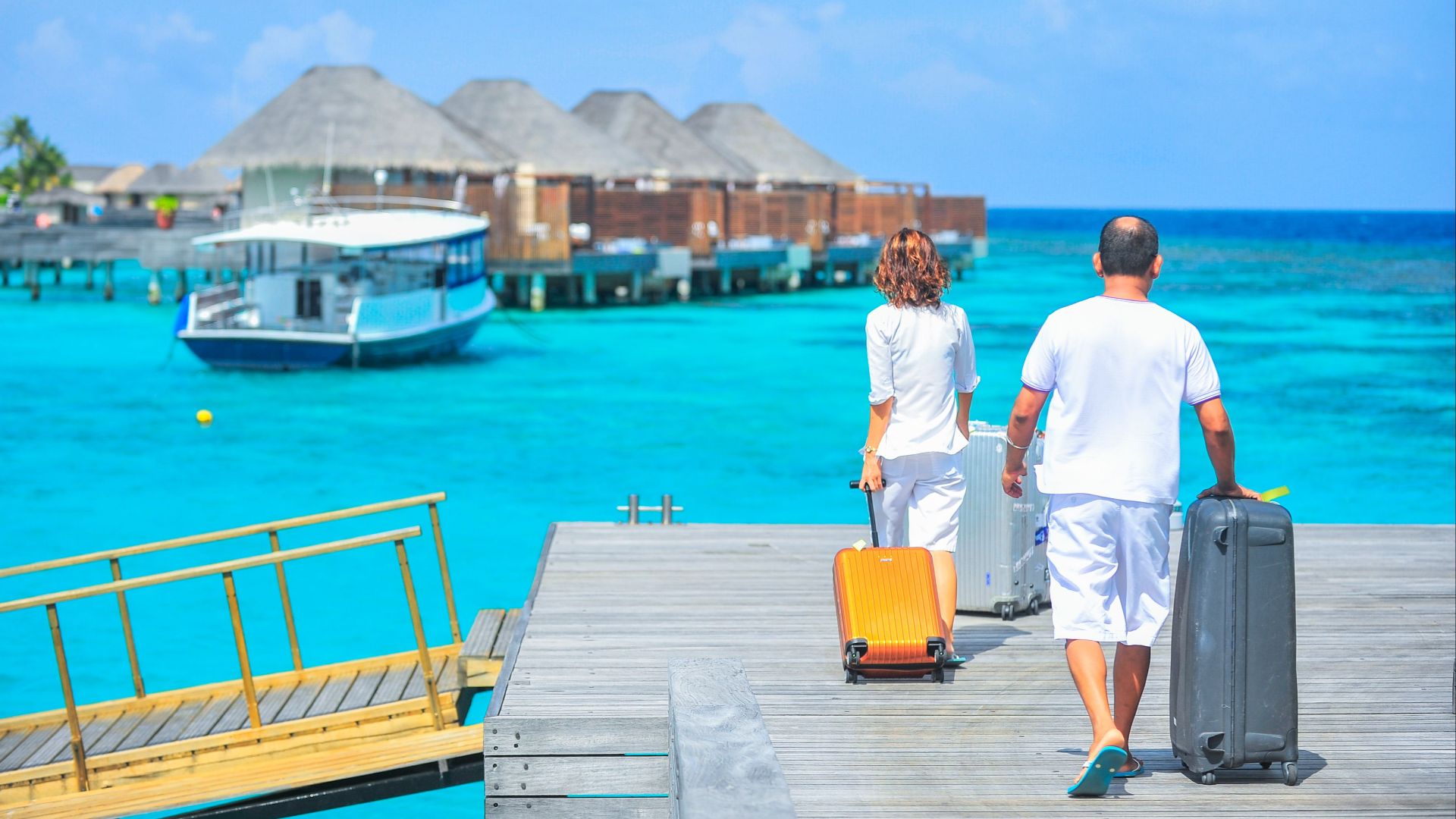
A 2020 systematic review examined research into the relationship between nature exposure and stress. Seven studies measuring physiological stress found an association between exposure to nature and lower stress markers, while five of six studies measuring perceived stress reported reductions. The findings offer another reason to consider destinations featuring forests, mountains, gardens, or other natural surroundings.

You Don't Need A Tropical Paradise
The psychological benefits associated with natural environments aren't restricted to exotic destinations. A 2024 systematic review and meta-analysis found associations between access to gardens, time spent in green spaces, and several measures of mental well-being. The researchers cautioned that the overall evidence quality was very low, but their findings suggest that accessible outdoor environments deserve attention alongside expensive vacations.

Walking Around A New City Has Its Perks
Exploring a destination on foot can introduce an additional well-being benefit through physical activity. According to the Centers for Disease Control and Prevention, even a single session of moderate-to-vigorous physical activity can reduce short-term feelings of anxiety. Regular activity is also associated with improved sleep and a reduced risk of depression, making leisurely walks and active sightseeing potentially valuable vacation habits.

Sometimes The Best Activity Is Doing Nothing
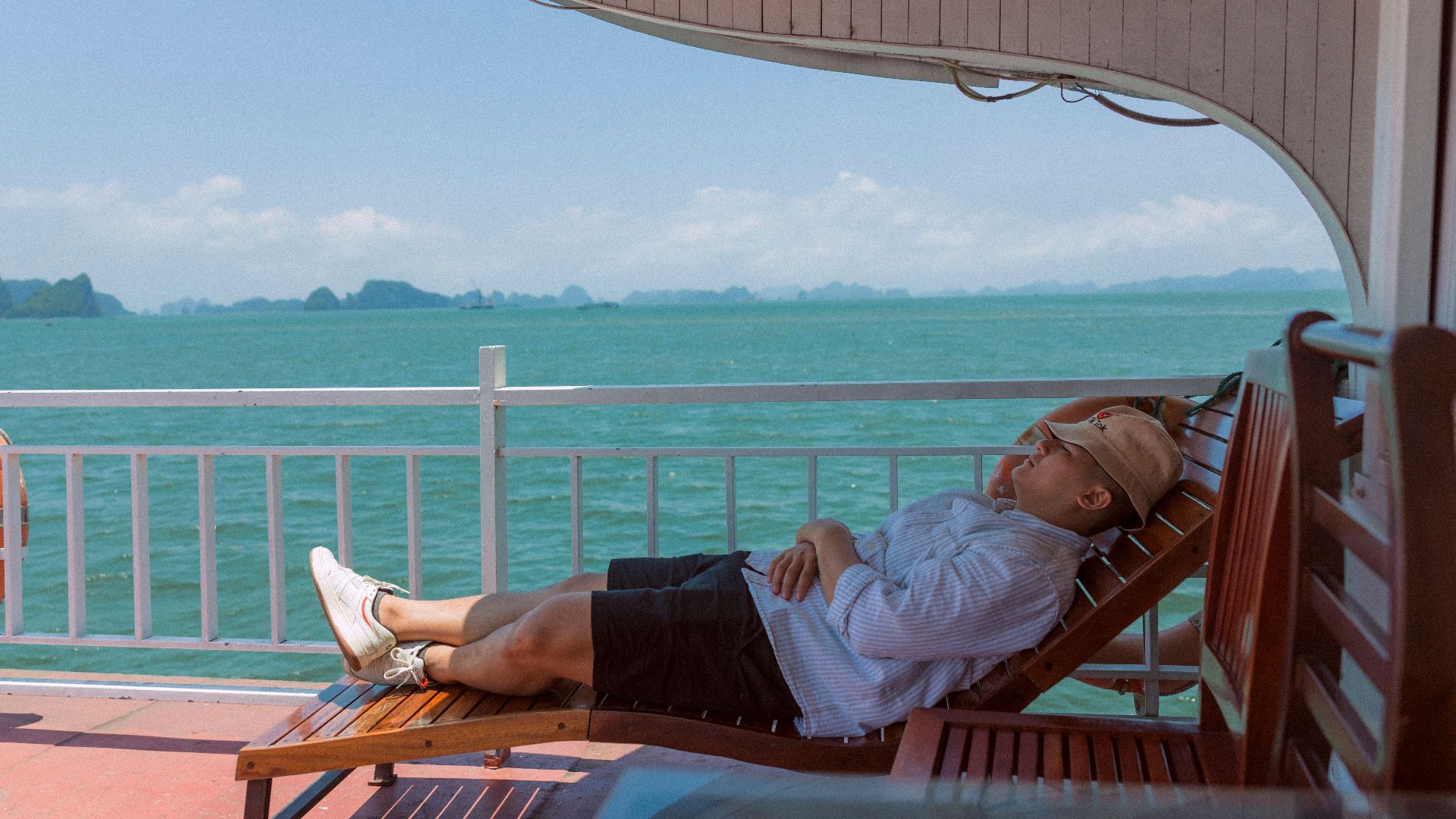
Although physical activity offers clear health benefits, a restorative vacation doesn't have to involve constant movement. Research on vacation recovery highlights relaxation as another important contributor to well-being. In one study, researchers found that relaxing leisure experiences after returning to work helped slow the disappearance of vacation-related improvements, reinforcing the value of genuine downtime.
Your Sleep Deserves A Vacation Too
Sleep plays an important role in psychological health, and vacation schedules can provide opportunities to prioritize adequate rest. The CDC reports that physical activity can improve sleep quality, adding another potential benefit to active holidays. However, a packed itinerary or demanding travel schedule may leave little room for recovery, so protecting time for sleep is a sensible part of planning a restorative break.

You Get To Decide How Your Days Unfold
One appealing part of vacationing is the opportunity to organize your time around personal interests rather than professional obligations. Research on vacation recovery has examined experiences such as relaxation, detachment, and mastery, which involves engaging in rewarding or challenging activities. A 2022 Japanese study found that mastery experiences during winter vacations were associated with subsequent subjective well-being.
Trying Something New Could Be Especially Rewarding
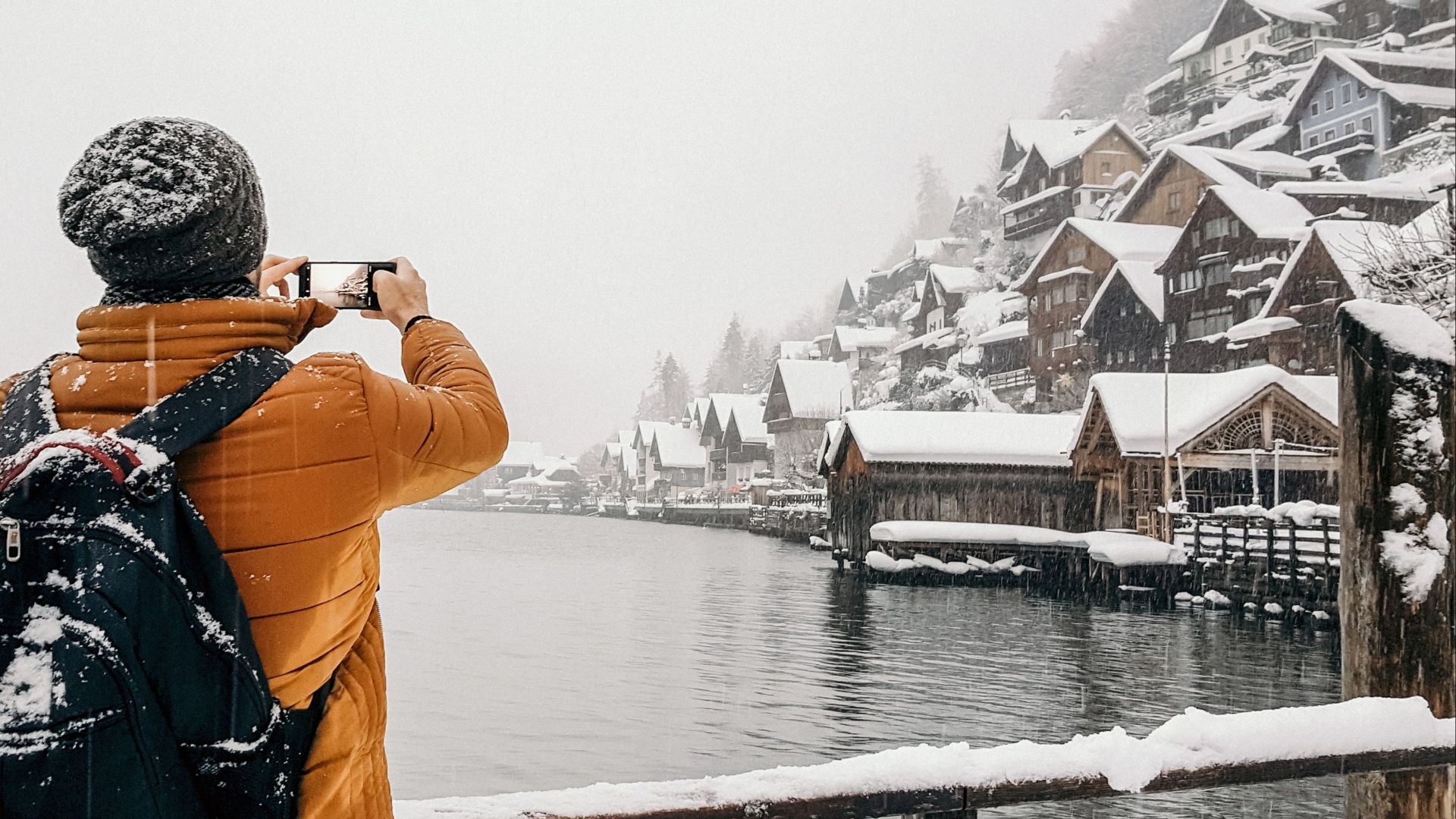
Learning to cook a regional dish, attempting a new outdoor activity, or visiting an unfamiliar cultural attraction can make a vacation more personally meaningful. The Japanese winter vacation study identified mastery as an important recovery experience connected with later well-being. Its findings suggest that holidays can offer something beyond rest by giving travelers opportunities to develop skills and experience a sense of accomplishment.

Travel Can Remind You What You Enjoy
Everyday responsibilities can make it difficult to devote time to personal interests, but vacations provide an opportunity to reconsider those priorities. Research on meaningful tourism experiences has identified pleasure, freedom, personal growth, memory-making, and reflection as important dimensions of travel. A 2026 study also found relationships between meaningful tourism experiences, gratitude, and measures of psychological well-being.

Some Of The Best Moments Become Lasting Memories
A vacation might only last a week, but the experiences can remain part of your personal history long afterward. Research into tourism and well-being has examined how memorable experiences contribute to life satisfaction, particularly among older travelers. A 2021 study of senior tourists found that memorable experiences were positively linked with perceived benefits and subjective well-being.

Sharing A Vacation Can Strengthen The Experience
Traveling with friends, family members, or a partner can create opportunities for meaningful shared experiences. Research on memorable tourism experiences suggests that personally significant moments contribute to how travelers evaluate the benefits of their trips. However, the quality of the experience matters, so choosing compatible travel companions and allowing room for different interests may be more useful than trying to do everything together.
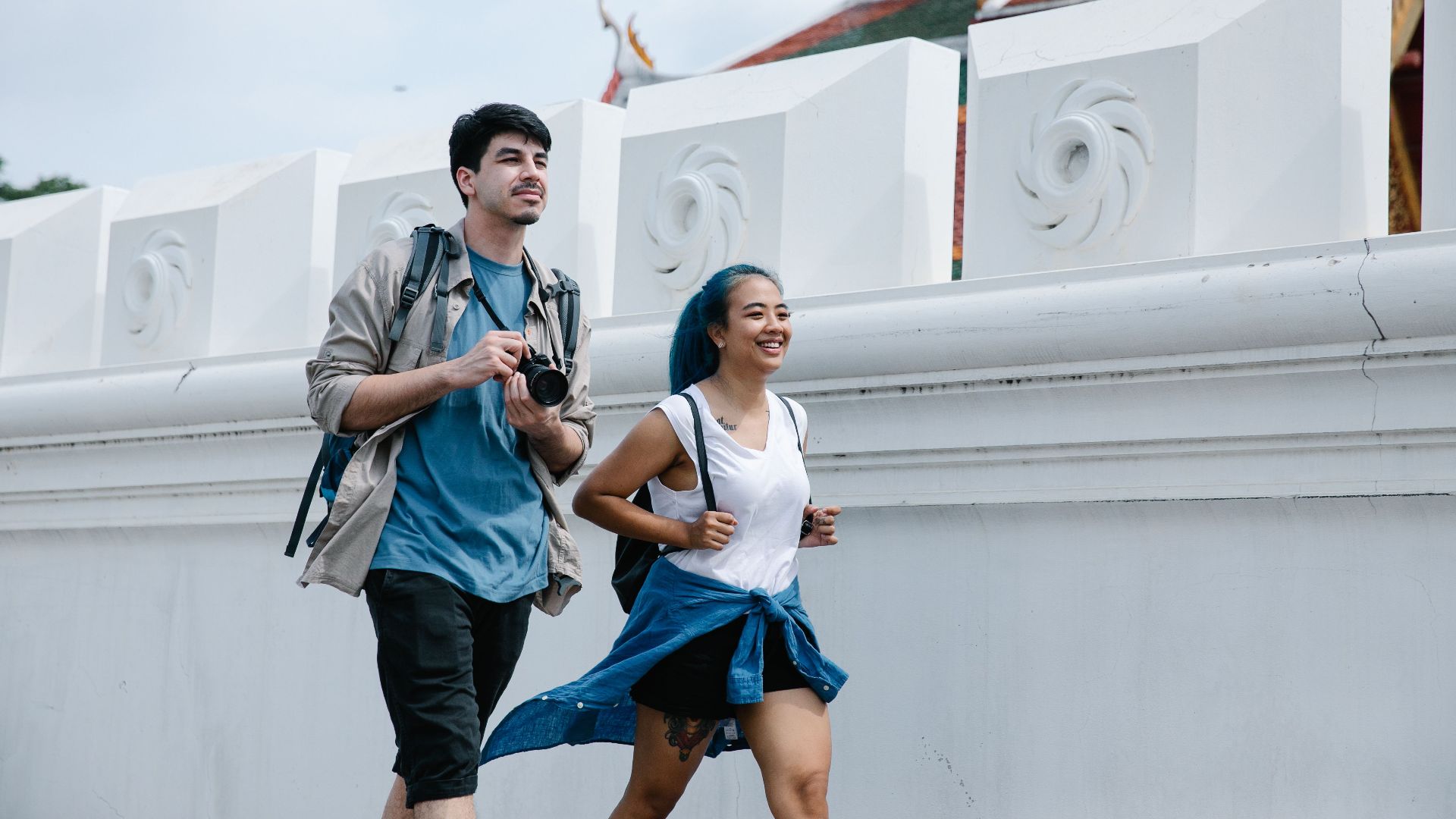
Traveling Alone Has Its Own Advantages
A restorative vacation doesn't have to involve traveling with other people. Solo trips offer opportunities to select activities, destinations, and schedules according to personal preferences, which may be especially appealing to someone seeking independence or quiet. Because vacation research emphasizes the importance of individual recovery experiences, the best travel arrangement is likely to depend on what genuinely helps each person relax and disengage from daily pressures.

Longer Vacations May Offer Additional Benefits
How much time should you take off to experience meaningful psychological improvements? The 2025 meta-analysis found that vacation length was one factor influencing the relationship between time away and employee well-being. However, the findings don't establish one ideal vacation duration for everyone, so a longer trip isn't automatically better if it introduces financial pressure or other sources of stress.

The Destination Might Matter Less Than You Think
A luxury resort sounds wonderful, but researchers haven't established that expensive or distant destinations produce the greatest psychological benefits. The 2025 meta-analysis found that the role of vacation location remained unclear when comparing time spent at home, away from home, or in a combination of settings. What people actually do during their breaks, particularly their ability to disconnect and participate in restorative activities, may be more important than collecting passport stamps.

A Staycation Could Be Exactly What You Need
Travel costs, complicated logistics, and limited time off can make distant vacations impractical. Fortunately, research has not demonstrated that leaving home is essential for gaining psychological benefits from vacation time. A staycation that genuinely interrupts work routines and includes relaxation, enjoyable activities, and opportunities to unwind may provide some of the same recovery experiences studied in vacation research.

But A Stressful Vacation Can Backfire
Not every trip leaves travelers feeling refreshed, and researchers have investigated why some vacations produce more lasting happiness than others. The Dutch study published in Applied Research in Quality of Life found that only people reporting very relaxed holidays experienced a measurable boost in happiness after returning. For other vacationers, post-trip happiness generally wasn't significantly different from that of people who hadn't traveled.

Stop Trying To Make Every Minute Count
A vacation packed with restaurant reservations, sightseeing commitments, and tightly scheduled excursions can leave little flexibility for relaxation. Research linking particularly relaxed vacations with better post-trip happiness offers a useful reason to avoid treating every holiday like a productivity challenge. Instead of trying to experience everything a destination offers, consider which activities will make your time away enjoyable without creating unnecessary pressure.

Your Return To Work Matters More Than You Realize
Unfortunately, the positive psychological effects of vacations don't necessarily continue indefinitely. Research involving teachers found that high job demands after returning to work caused vacation-related improvements to fade more quickly. The same study found that relaxation during ordinary leisure time helped preserve benefits, suggesting that what happens after a trip can be almost as important as the holiday itself.

There Is A Way To Make The Benefits Last Longer
An earlier meta-analysis published in 2009 suggested that vacation benefits faded relatively quickly after employees returned to work. However, the larger 2025 review found that improvements in well-being were greater and more persistent than previous research indicated. Together, these findings suggest that vacations can provide meaningful recovery, particularly when people disconnect effectively and maintain opportunities for rest afterward.

A Vacation Isn't A Cure For Everything
As encouraging as the research is, vacations shouldn't be mistaken for a treatment for depression, anxiety disorders, or other mental health conditions. Most vacation studies examine general well-being, exhaustion, stress, and recovery rather than whether travel treats diagnosed psychiatric illnesses. A holiday may provide valuable relief, but persistent mental health difficulties can still require professional support and changes to stressful circumstances.
 LightField Studios, Shutterstock
The Best Vacation Is The One That Actually Restores You
Research suggests that vacation benefits depend partly on how people spend their time, how effectively they separate from work, and whether their activities provide meaningful recovery experiences. For some travelers, that might mean hiking through a national park, while others may prefer exploring a new city or spending a quiet week close to home. The important thing is choosing a break that feels restorative rather than following someone else's idea of the perfect vacation.

Taking Time Off Is Worth Taking Seriously
A vacation won't eliminate every source of stress waiting at home, but growing scientific evidence suggests that time away from everyday responsibilities can improve psychological well-being. The strongest findings point toward genuine disconnection, enjoyable physical activity, relaxation, and experiences that help people recover from work-related demands. So if you've been postponing that much-needed break, there's a compelling reason to reconsider: taking time for yourself can be a meaningful investment in your mental health.

You May Also Like:
30 Activities You Need To Stop Doing After 75
The Hidden Cost Of Plastic: Why Reducing Use Is A Healthier Choice