How To Get Rid of Weeds Without Using Harsh Chemicals
From dandelions to crab grass, these 21 pesticide-free methods will get the job done without hurting the grass.
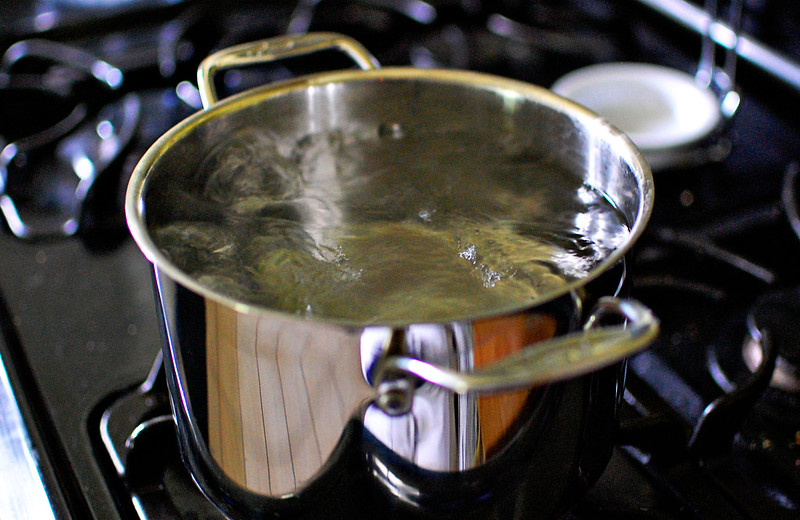
Boiling Water
Pouring boiling water on young weeds will get your immediate results. This is especially useful for weeds in the cracks of sidewalks and driveways.
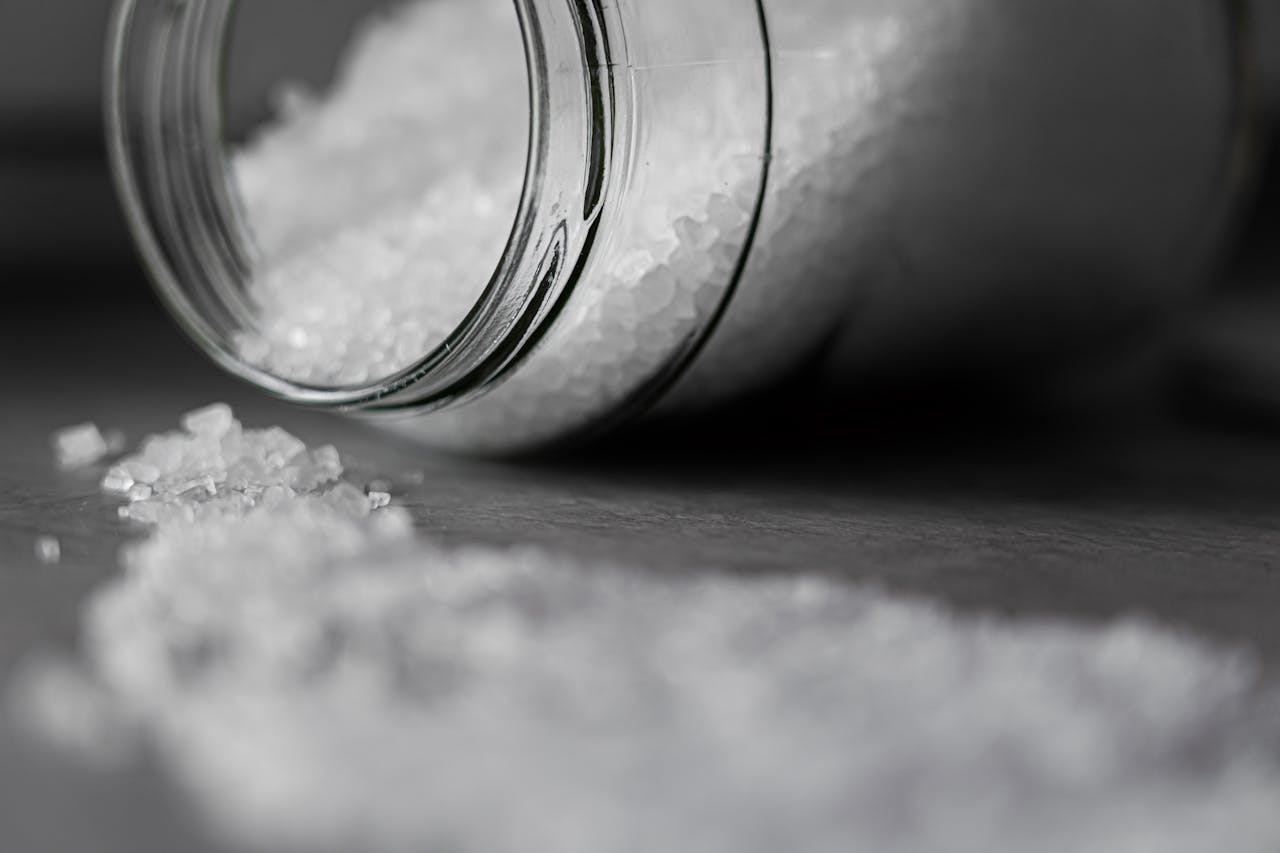
Salt
Sprinkle rock salt on garden paths to fight weeds in the spring. Table salt works too.
It also makes a good weed barrier along lawn edgings and other places a mower can’t reach. Apply carefully as it can erode concrete surfaces.
Newspaper
Covering low-growing weeds like clover and crabgrass with newspaper will eventually exterminate the weeds from a lack of sunlight.
Covering your garden bed with it and applying mulch over top can also prevent new weeds from growing in the first place.

Vinegar
Dousing the weeds in vinegar will also give near instant results. It is recommended to use the horticulture kind, with 20% acetic acid.
Use caution as it will hurt the grass too and you risk lowering the pH of the soil.

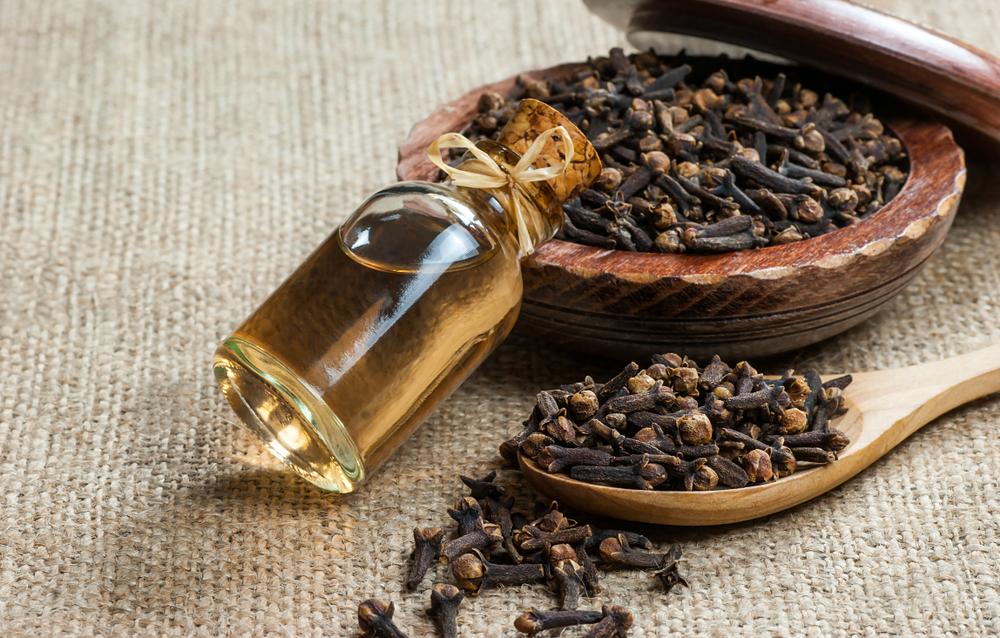
Clove Bud Oil
Combine 20 drops of Clove, 20 ounces of vinegar, and a pinch of salt into a spray bottle. Just make sure to shake it up before you spray it on the weeds you want to tackle.
 Halil ibrahim mescioglu, Shutterstock
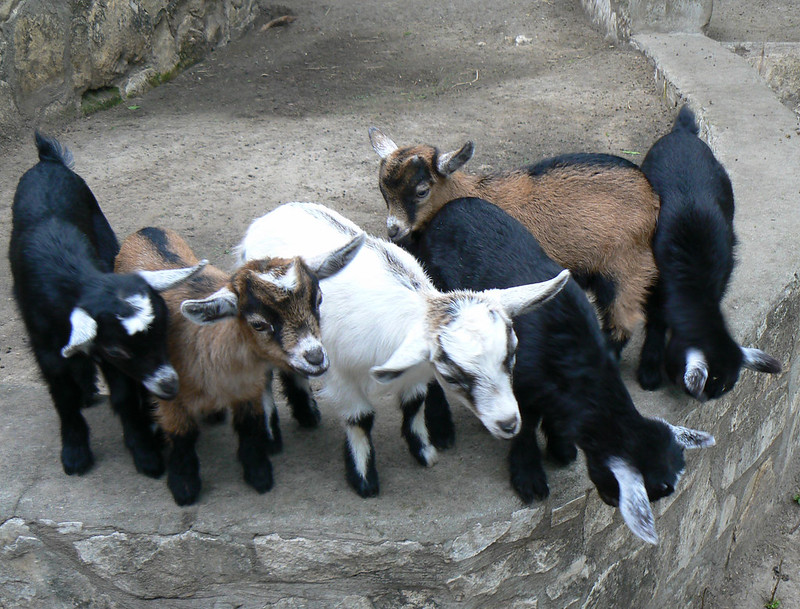
Goats
Seriously, though. If you have goats, you probably already do this, but if not, let them roam. Goats can reach areas that people can’t, and their hooves rototill the soil as they graze.
Taller Grass
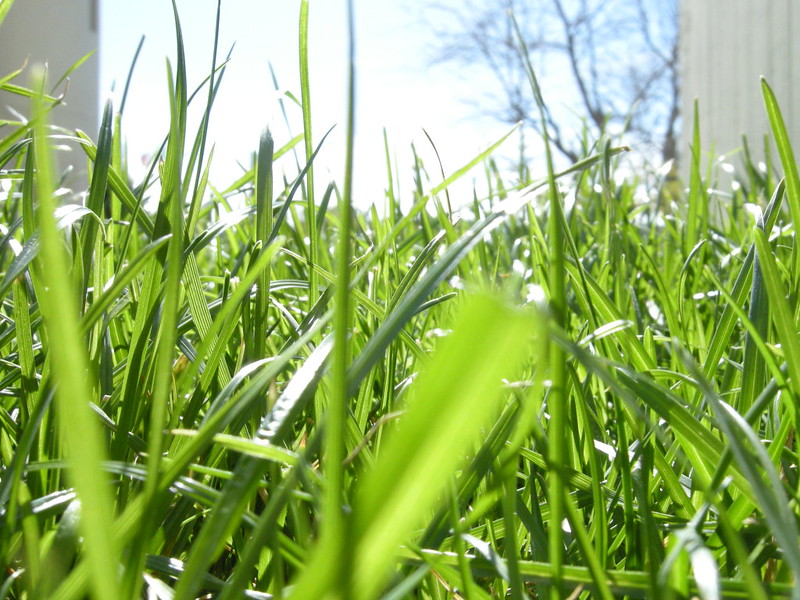
According to landscape experts, the length of your grass can impact its health and make it more or less susceptible to weeds.
It’s suggested to wait until your grass is about 2-3 inches before mowing.
Dig Mindfully
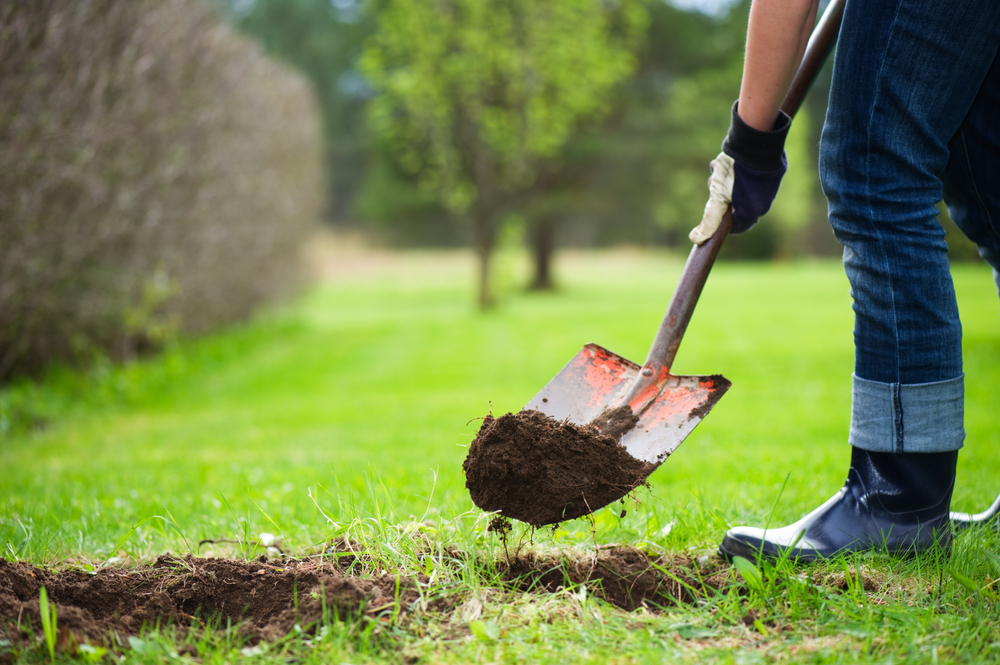
It’s also suggested to only dig where you need to because removing grass creates a new place for weeds to thrive. Most lawns have hidden weed seeds lurking around and as soon as you open it up to plant, they can take over unknowingly.
Only open the patch of grass you need.
De-head Them
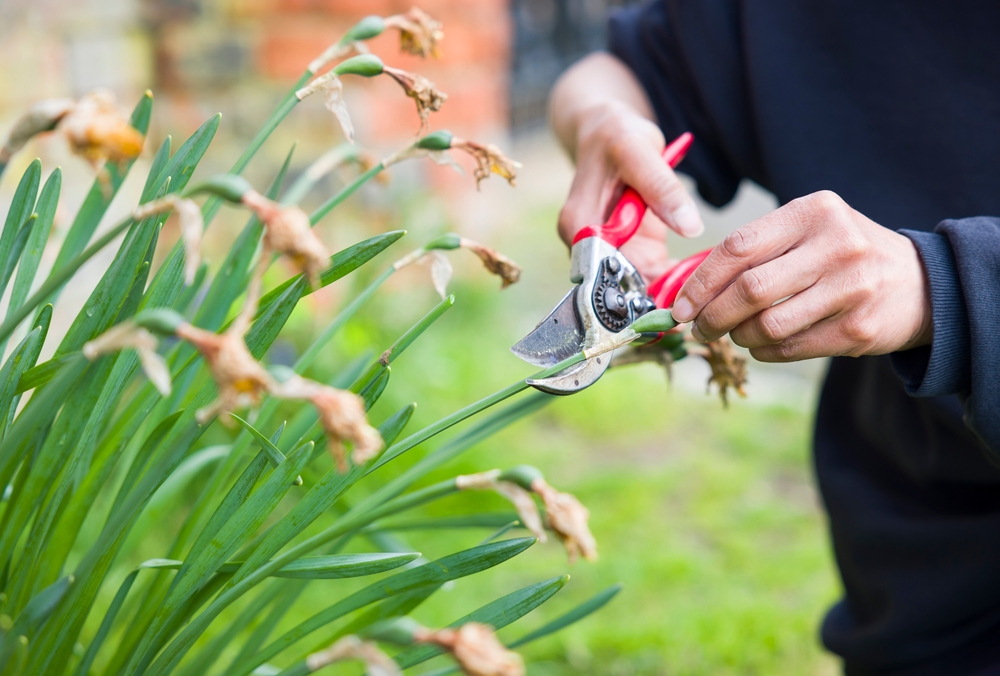
The way to make sure your weeds don’t go to seed and spread more is to pull off their heads. Even though you can do this by hand, you can also mow them down.
Be warned though, taking their heads off does not kill the weed. It simply prevents them from spreading.
Lemons
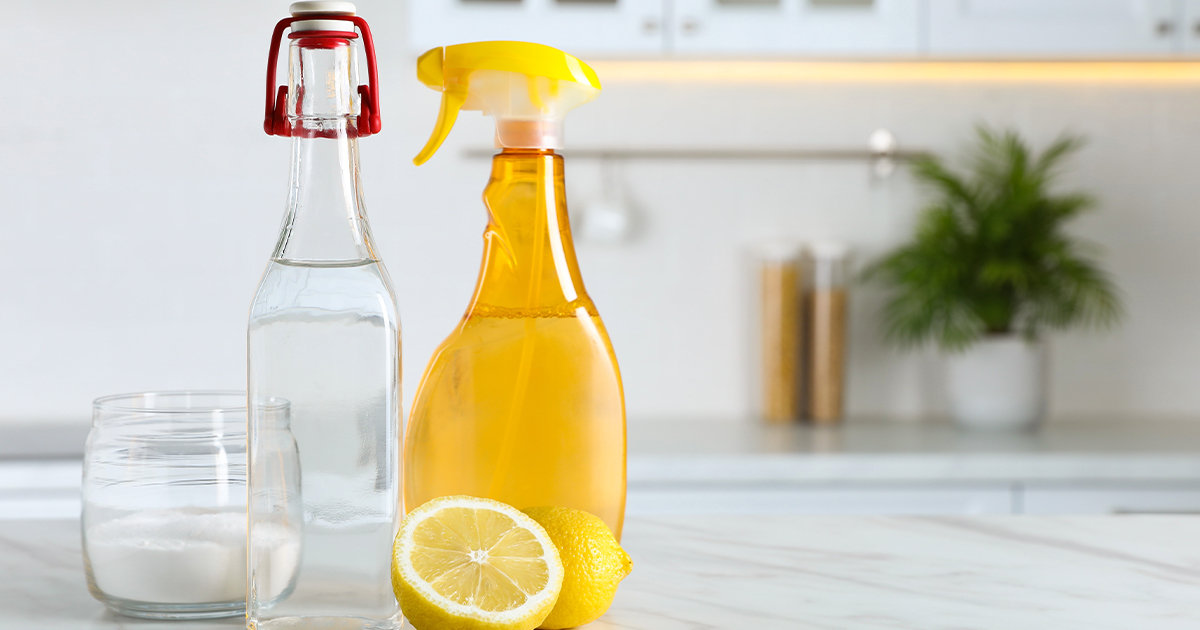
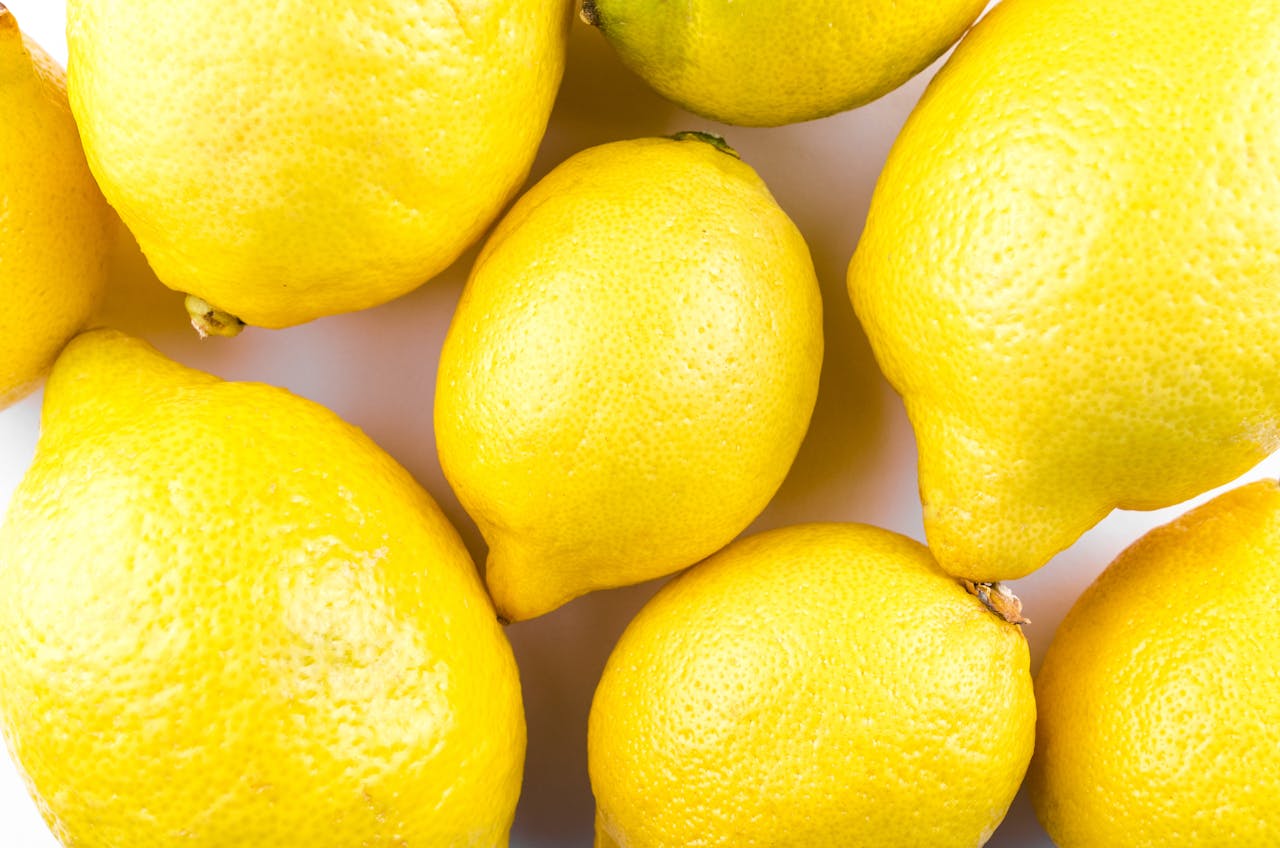
Simply fill a spray bottle with lemon juice and apply it liberally to the weeds. For more power, add some vinegar.
DIY Weed and Grass Killer
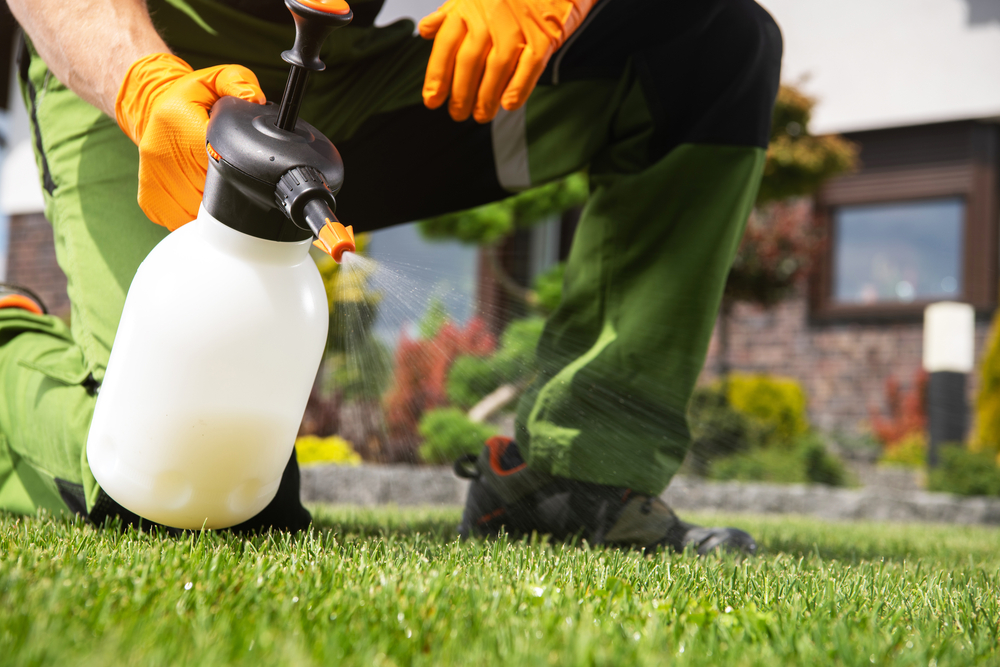
In a large bucket, combine 1 gallon of white vinegar, 4 tablespoons of orange oil, and 4 tablespoons of dish detergent.
Stir with a long-handled wooden spoon until mixed. Using a funnel, pour the mixture into a garden sprayer. Spray the weeds with the killer solution at the hottest time of day and repeat after two days.
Another DIY Recipe
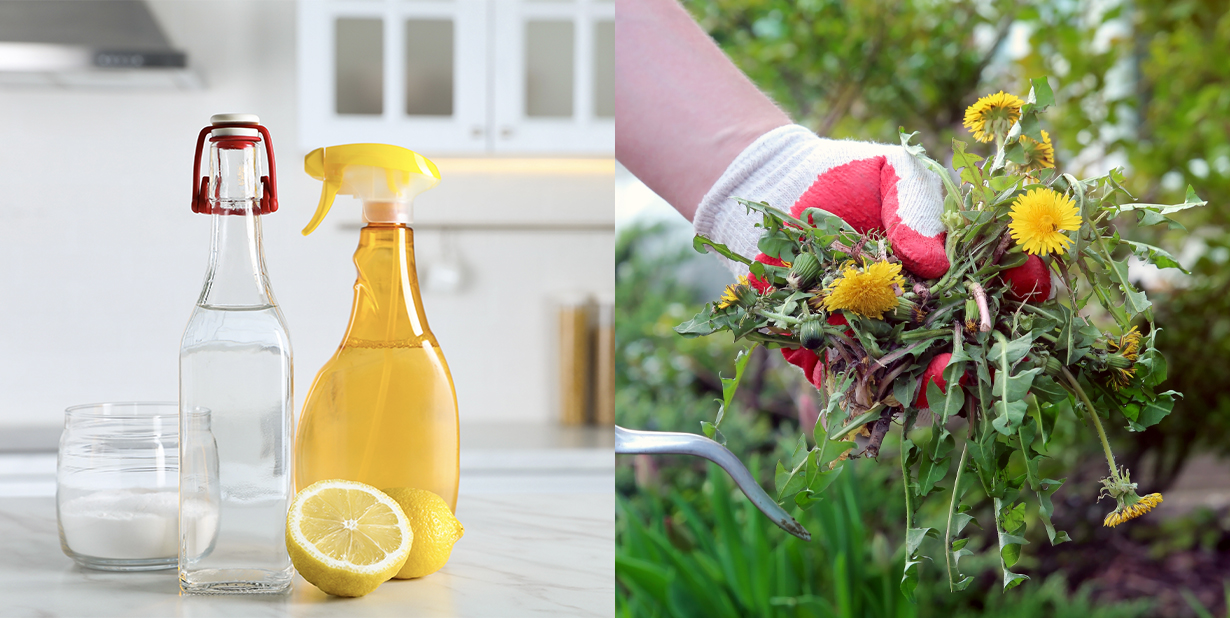
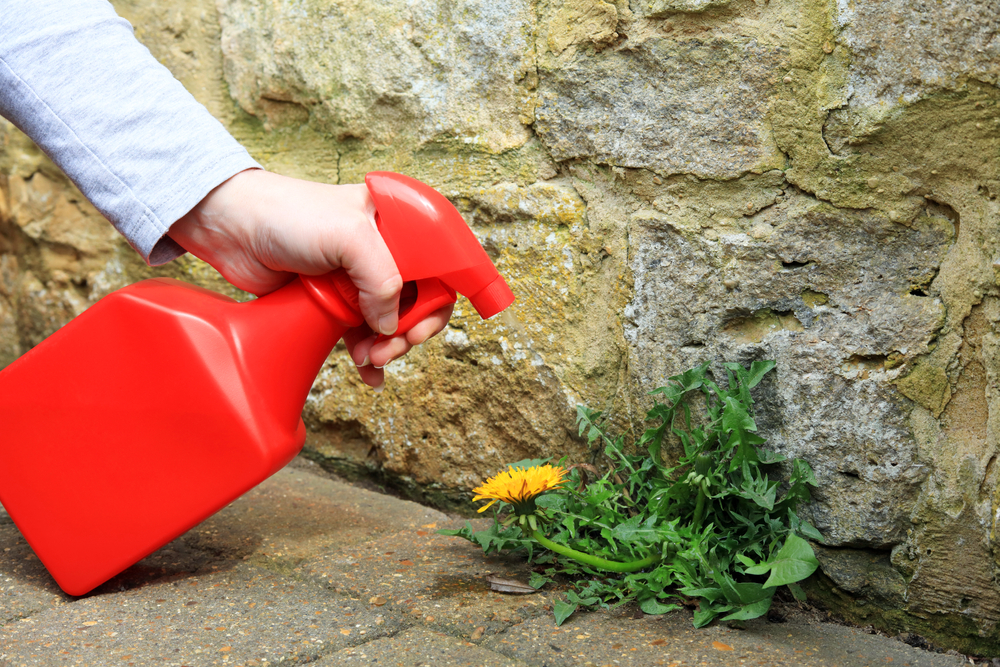
Another basic but effective DIY mix includes mixing 1 gallon of white vinegar with 1 cup of salt and 1 tablespoon of liquid dish soap into a spray bottle. Apply to weeds as needed.
It’s best to use this mix on young weeds before they get out of hand. This also works on poison ivy.
Baking Soda
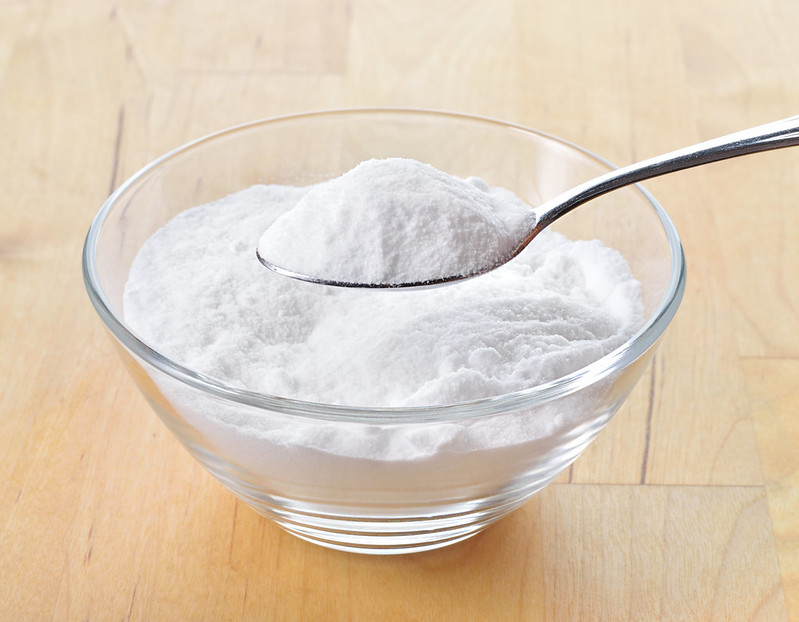
Sprinkle baking soda along walkways and around your patio to prevent weeds from popping up and to get rid of existing ones.
Hydrogen Peroxide
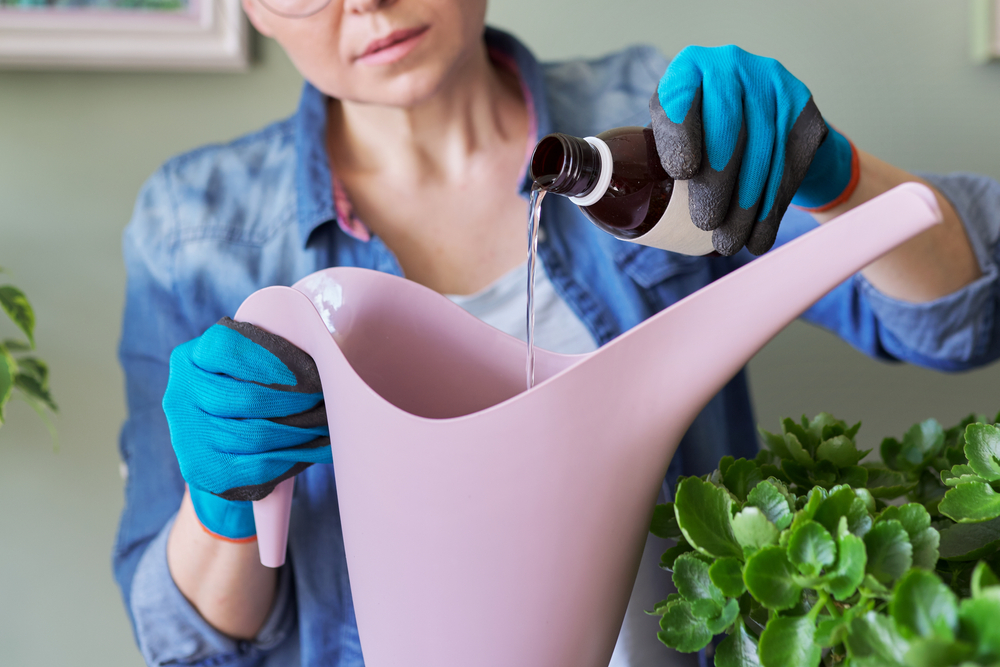
Another DIY mix that works as a spot solution is simply mixing one ounce of hydrogen peroxide (3%) with one quart of water in a spray bottle. Spray weeds and let the mix sit for 15 minutes before rinsing with water.
Other Plants
Be strategic about what you plant in your garden. Nearby plants will fight to survive, taking up the sunlight, water, and other nutrients from the soil that weeds need to thrive.
Good plants to include in your garden are ones that will block out the sun from the soil beneath. Strategically spacing the plants is also essential to this natural weed killer strategy.
Use Mulch
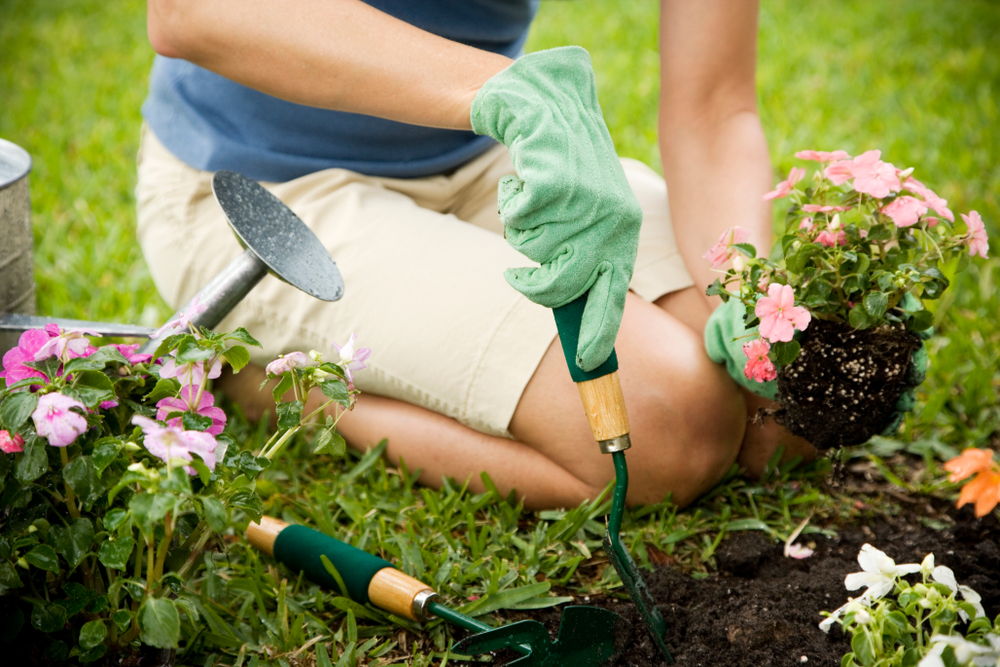
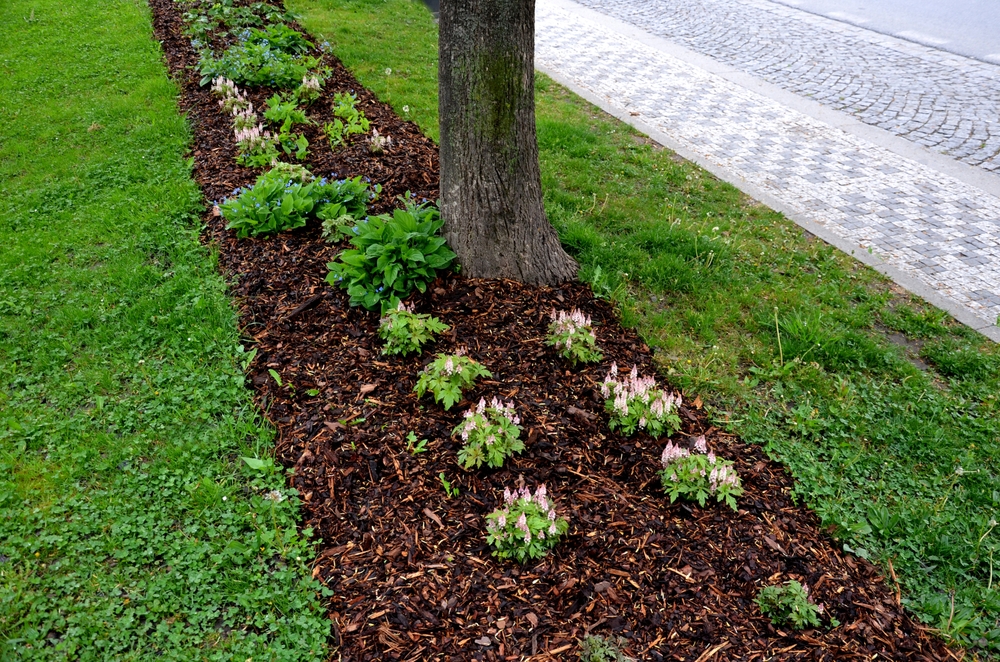
Mulch is a good way for preventing weeds in the first place as it blocks sunlight and air.
Spread the mulch about two inches deep on soil that you want to keep free of weeds. Mulch works perfectly in combination with other ground cover options as well.
Vodka
Before you pour yourself a drink, offer one to your weeds.
In a spray bottle, mix 1 ounce of vodka, 2 cups of water, and 2 drops of dish soap. Spray on weeds as needed.

Borax
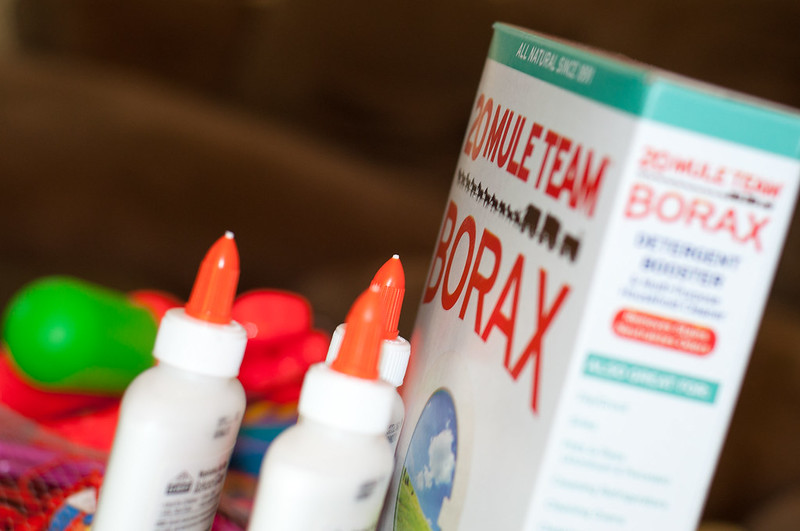
The common laundry assistant can also be used to get rid of unwelcome plants around your yard—just be careful not to use it near flowers or vegetables.
Add 10 ounces of powdered borax to 2.5 gallons of water, mix thoroughly, and spray directly on the weeds.
Straw
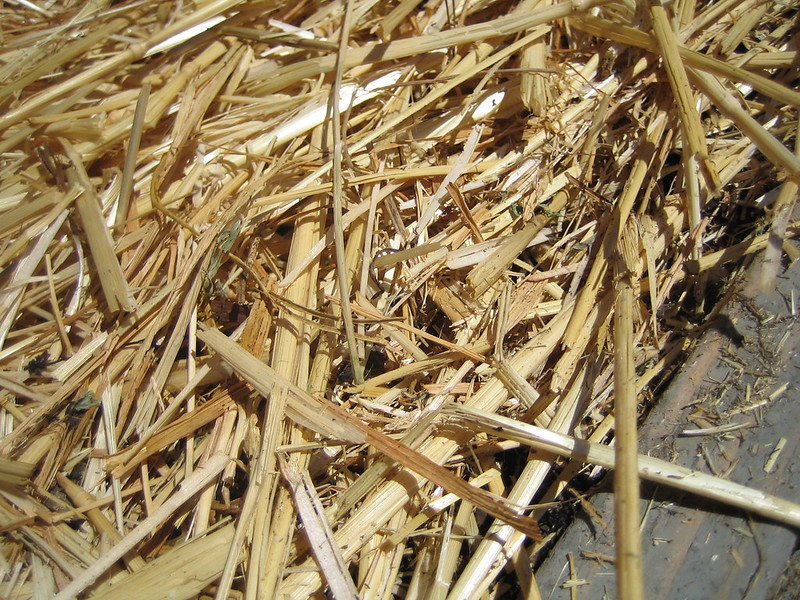
Similar to mulch, straw is an effective way to prevent weeds in your garden. This method is commonly used in veggie gardens as it is natural and free of dyes (unlike some mulch).
The straw will suppress and prevent the weeds and it will also naturally break down and fertilize your soil.
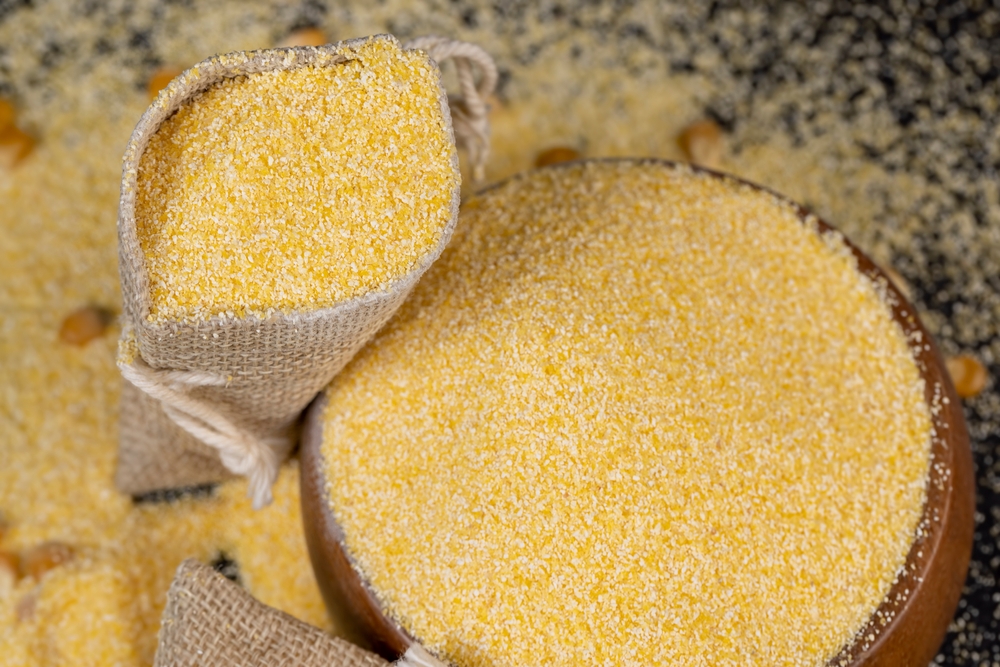
Cornmeal Gluten
To prevent crabgrass, dandelions, and chickweed seeds from growing on your property, scatter some cornmeal gluten over the soil.
Cornmeal gluten acts as an organic herbicide and is free of toxic chemicals.
Rubbing Alcohol
In a spray bottle, mix 2 tablespoons of rubbing alcohol with 1 quart of water and spray on weeds. The alcohol removes the moisture dandelions need to survive.