

Why Water Has Such A Powerful Effect On Us
There's something about sitting beside a lake, listening to ocean waves, or watching a river flow that seems to make everyday worries feel a little smaller. For many people, being near water brings an almost immediate sense of calm, even when nothing else about their day has changed. Scientists have been studying this phenomenon for years, and their findings suggest that our attraction to water has some fascinating connections to mental and physical well-being.

Scientists Have A Name For This Feeling
Researchers use the term "blue spaces" to describe outdoor environments featuring water, including oceans, lakes, rivers, canals, and even fountains. These places have become an increasingly important subject in environmental psychology and public health research. Studies suggest that spending time in blue spaces may support emotional well-being, encourage exercise, and help people recover from everyday stress.

Our Brains May Respond Differently Near Water
One explanation involves psychological restoration, which describes the process of recovering from mental fatigue and stress. Natural environments can offer a break from the demands of busy streets, workplaces, and other mentally demanding settings. Water environments appear particularly promising because they can provide a combination of interesting sights, natural sounds, and opportunities to relax.

The Sound Of Water Can Help Us Unwind
The gentle sound of a stream or the steady rhythm of ocean waves may offer more than a pleasant background soundtrack. A 2024 systematic review and meta-analysis found that exposure to natural sounds was associated with reductions in anxiety and several physiological indicators of stress. Although the research examined different types of natural sounds, the findings help explain why listening to water may feel so soothing.

Even Your Heart May Respond To Natural Sounds
Researchers have also investigated what happens to the body when people listen to natural sounds rather than remain in silence. A 2024 review found significant differences in heart rate, blood pressure, and breathing rate in favor of natural sounds, although some other stress measurements showed no clear benefit. These findings suggest that relaxing sounds can influence physical responses, but the results vary between studies and individuals.

Flowing Water May Offer A Mental Escape
Water sounds have also been studied for their ability to create a psychological sense of getting away from everyday demands. In a 2024 experiment using electroencephalography, researchers found that flowing water sounds were especially effective at producing feelings of escape from ordinary surroundings. The same study found reductions in mental stress associated with flowing water and birdsong, although the sounds did not produce greater EEG-measured relaxation than silence.

Water Can Give Our Attention A Break
Psychological restoration may help explain why watching waves or sitting beside a river feels different from staring at a busy intersection. Researchers studying blue spaces have examined how natural environments allow people to recover from mental demands while still providing something interesting to observe. A systematic review found that greater contact with blue spaces was associated with higher levels of psychological restoration. However, scientists are still investigating exactly which environmental features produce these benefits.
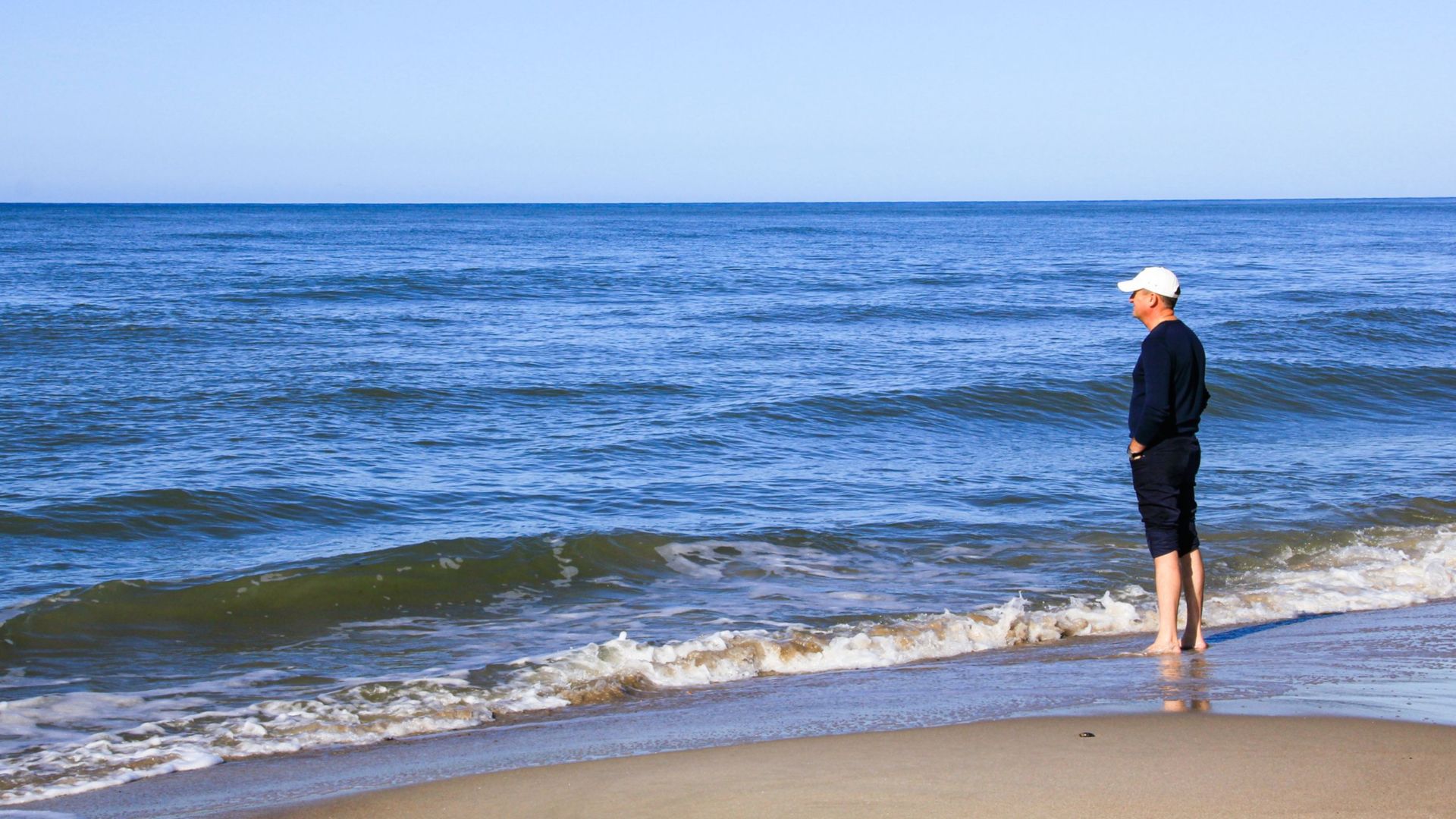
A Simple Waterfront Walk Can Improve Your Mood
You don't necessarily need an entire beach vacation to experience the benefits of water. In a randomized crossover study conducted in Barcelona, researchers asked 59 healthy office workers to take 20-minute walks beside the sea, walk through an urban environment, or rest at a control location. Participants reported significantly better mood and well-being immediately after their waterfront walks compared with the other conditions.

The Benefits May Arrive Surprisingly Quickly
The Barcelona study is particularly interesting because participants spent just 20 minutes walking during each session. Researchers measured psychological responses before, during, and after the different activities, allowing them to compare the effects of the environments. The strongest finding was an immediate improvement in mood and well-being following the seaside walks, suggesting that even brief visits can be worthwhile.

But Water Doesn't Automatically Lower Blood Pressure
Despite the psychological benefits observed in Barcelona, researchers did not find significant improvements in the cardiovascular measurements they examined. Blood pressure and heart rate variability responses did not show clear advantages for waterfront walking compared with urban walking. This distinction matters because feeling calmer does not necessarily mean every physiological measure of stress has improved.

Bigger Studies Support The Connection To Happiness
One of the largest investigations into blue spaces examined information from 16,307 people across 18 countries and regions. Researchers found that more frequent recreational visits to coastal and inland blue spaces were associated with greater positive well-being and lower mental distress. The relationship varied between locations and seasons, but the overall findings supported the value of spending time around natural environments.

Actually Visiting Water May Matter More Than Living Nearby
Having an ocean view or living within walking distance of a lake might sound like the perfect recipe for happiness. However, the 18-country study found that the association between living in greener or coastal neighborhoods and greater well-being largely disappeared after researchers accounted for recreational nature visits. This suggests that actively spending time outdoors may be more important than simply having water somewhere near your home.

Water May Encourage Us To Get Moving
Another possible explanation for the benefits of blue spaces is surprisingly straightforward: they can encourage physical activity. Waterfront paths, lakeside parks, and riverside trails offer places for walking, running, cycling, and other outdoor recreation. A review of 50 studies found that living closer to water was associated with modestly higher physical activity levels.

That Movement Comes With Its Own Rewards
The connection between blue spaces and physical activity is important because exercise already provides well-established health benefits. The researchers behind the Barcelona walking study noted that physical activity can support mental health and help protect against several chronic diseases. Visiting a waterfront location may therefore combine the advantages of moving your body with the psychological experience of being in a natural setting.

Water Might Help Us Feel More Connected
Waterfront spaces can also provide opportunities for shared experiences, from family outings to relaxed conversations beside a lake. Scientists have investigated whether these environments encourage social interaction and strengthen community connections. Although some individual studies have reported positive associations, a systematic review found that the overall evidence for increased social interaction remains mixed.

Childhood Memories May Play A Role
Our relationship with water may begin much earlier than we realize. A study involving 15,743 adults across 18 countries examined whether childhood experiences around oceans, rivers, and lakes were associated with adult well-being. People who recalled more childhood exposure to blue spaces also tended to report better subjective well-being later in life.

Early Experiences May Shape Our Adult Habits
Researchers believe that positive childhood experiences around water may help people develop a lasting interest in spending time outdoors. The study found that childhood exposure was associated with stronger motivation to visit natural environments and more frequent nature visits in adulthood. Because the research relied on adults remembering their childhood experiences, it cannot prove that early visits directly caused their later happiness.

Lakes And Rivers Count Too
When people imagine the emotional benefits of water, tropical beaches often come to mind first. However, researchers studying blue spaces include freshwater environments such as lakes, rivers, streams, and canals. A 2024 systematic review examined 34 studies involving freshwater blue spaces and found a growing body of research connecting these environments with different aspects of human health, although results were not consistent across every study.

Not Every Waterfront Has The Same Effect
A quiet mountain lake, a crowded urban beach, and a canal running through a busy city offer very different experiences. Scientists are interested in how characteristics such as environmental quality, sound, accessibility, and the type of water setting influence psychological outcomes. A 2026 review covering 139 studies concluded that there is still insufficient evidence to reliably rank different kinds of blue spaces according to their mental health benefits.

Water Can Also Change How A City Feels
The benefits of water environments may extend beyond what we see and hear. Researchers have investigated how rivers, lakes, and other urban water features influence local temperatures and environmental conditions. A systematic review of 67 studies found that urban blue spaces produced an average daytime cooling effect of approximately 2.6°C in the surrounding environments studied, although the results varied considerably by location, season, and measurement method.

A Cooler Environment Can Make Outdoor Time More Appealing
Water's influence on urban temperatures offers another reason why well-designed waterfront spaces can be valuable. Researchers studying blue spaces have identified improvements in environmental conditions, including the potential reduction of heat stress, as one pathway connecting water environments with health. However, cooling effects are not universal, and some water bodies can contribute to slightly warmer local conditions at night.

You Don't Need To Spend Hours By The Water
The Barcelona waterfront experiment demonstrated measurable improvements in self-reported mood after walks lasting just 20 minutes. This makes brief visits to accessible blue spaces a practical option for people with busy schedules. The research does not establish 20 minutes as an ideal or required amount of exposure, but it suggests that relatively short experiences can have psychological benefits.

Two Hours A Week In Nature May Be A Useful Goal
A major 2019 study involving nearly 20,000 people in England found that spending at least 120 minutes per week in natural environments was associated with a greater likelihood of reporting good health and high well-being. Participants appeared to benefit whether they accumulated that time through one longer visit or several shorter outings. Importantly, the study examined nature generally rather than blue spaces specifically, so its findings should not be interpreted as a scientifically established water-exposure prescription.
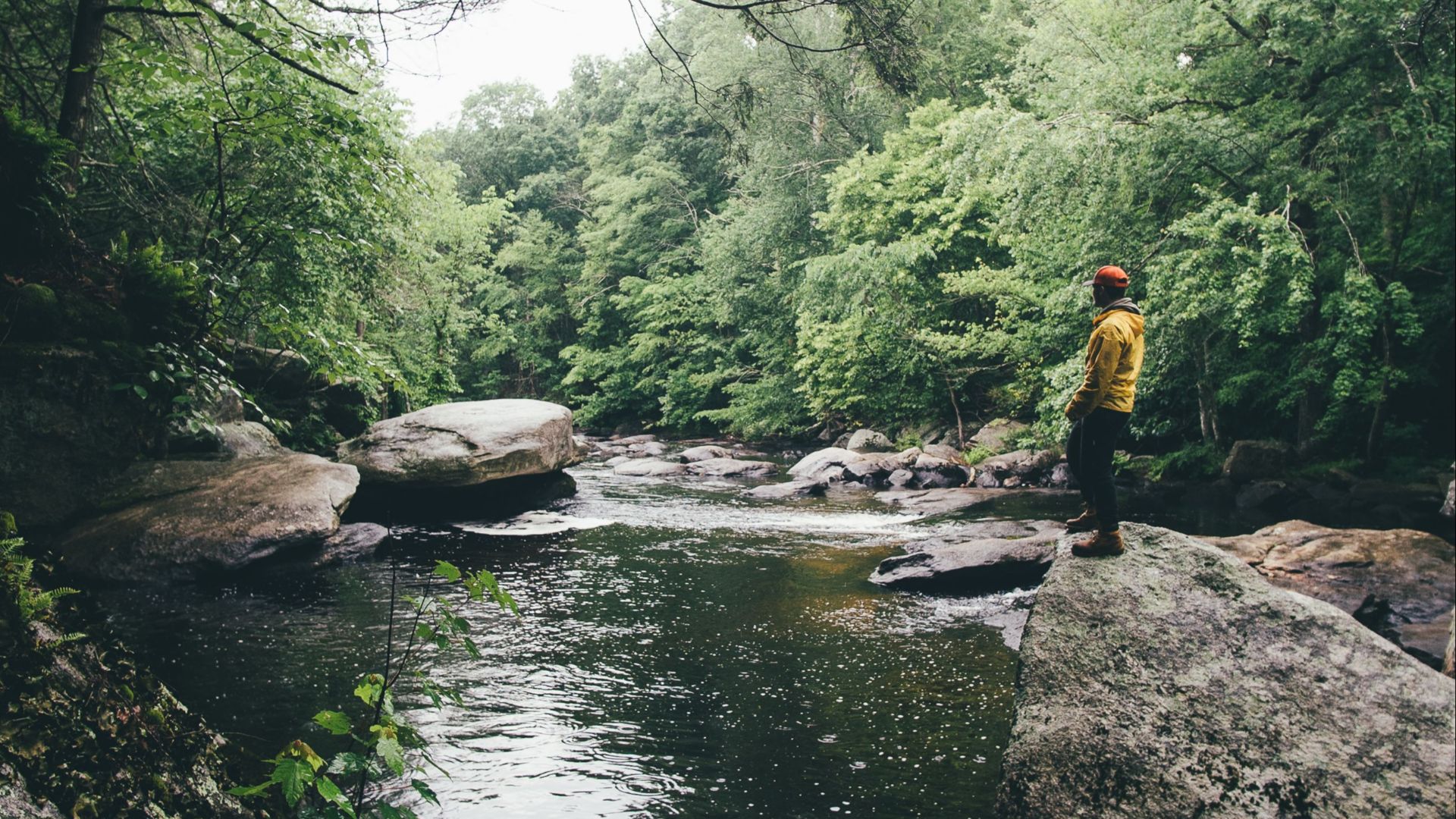
Even Listening To Water May Be Worth Trying
Living far from a coastline doesn't necessarily mean giving up every potential benefit of water-related experiences. Researchers have studied recorded natural sounds as well as sounds experienced in real outdoor environments, with some findings suggesting reductions in anxiety and stress-related physiological responses. Recorded water sounds may be a convenient relaxation option, although listening to a recording has not been shown to reproduce all the benefits of actually visiting a blue space.

Access To Water Matters More Than You Might Think
The health benefits associated with blue spaces also raise questions about how neighborhoods are designed. A waterfront may exist nearby but still be difficult to visit because of transportation barriers, restricted access, or inadequate walking infrastructure. Researchers emphasize that the presence of water in a neighborhood does not necessarily mean residents can meaningfully experience it.

Science Still Has Some Important Questions
Although the research is encouraging, scientists have not established that spending time near water directly prevents mental illness or consistently improves every measure of physical health. Many studies rely on surveys and observational data, making it difficult to separate the effects of water from factors such as exercise, income, neighborhood conditions, and personal preferences. A 2026 review emphasized the continuing need for better exposure measurements and stronger evidence before making broad causal claims.

Finding Your Own Blue Space Could Be Simple
The existing research offers plenty of reasons to consider adding waterfront visits to an ordinary wellness routine. A short walk beside a river, a relaxed afternoon at a public lake, or a visit to a waterfront park can provide opportunities for recreation and psychological restoration. Since studies include many types of water environments, enjoying these experiences does not require living beside the ocean or planning an expensive getaway.
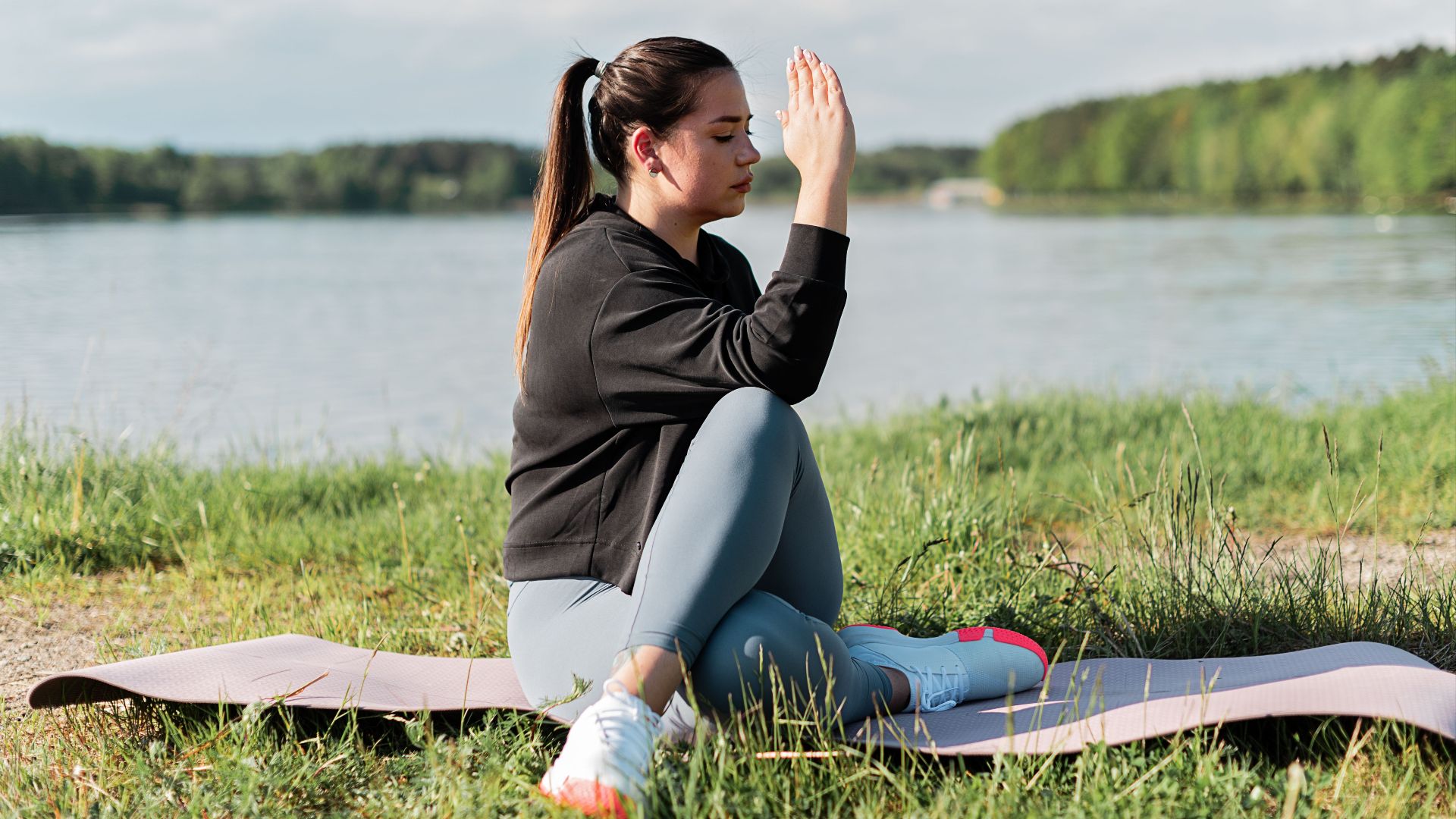
The Real Secret May Be Making Time To Visit
Perhaps the most useful finding from blue-space research is that simply having access to nature is not the same as spending time in it. Studies suggest that visiting water environments, enjoying their sounds, and participating in outdoor activities may all contribute to the positive feelings people associate with these places. Scientists are still working out exactly how the different mechanisms interact, but the evidence offers a compelling reason to make that next lakeside or riverside walk part of your routine.

You May Also Like:
The Mysterious “Blue Zones” And Their Secrets To Long Life
Best Anti-Aging Ingredients To Look For In Your Skincare Products