
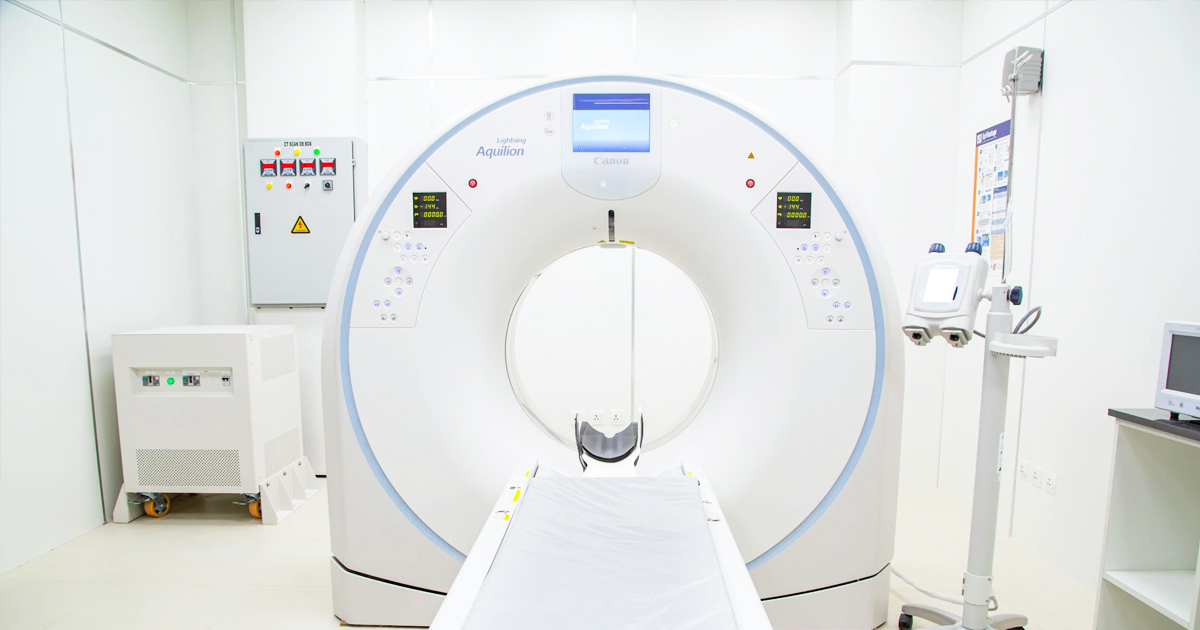
In today's medicine, diagnostic imaging is a crucial technology that helps doctors diagnose diseases, develop treatment plans, and ultimately save lives. Through various imaging modalities, doctors can see inside the body without doing invasive procedures, giving them valuable information about a patient's condition. Specifically, diagnostic imaging can help detect cancer and evaluate injuries.
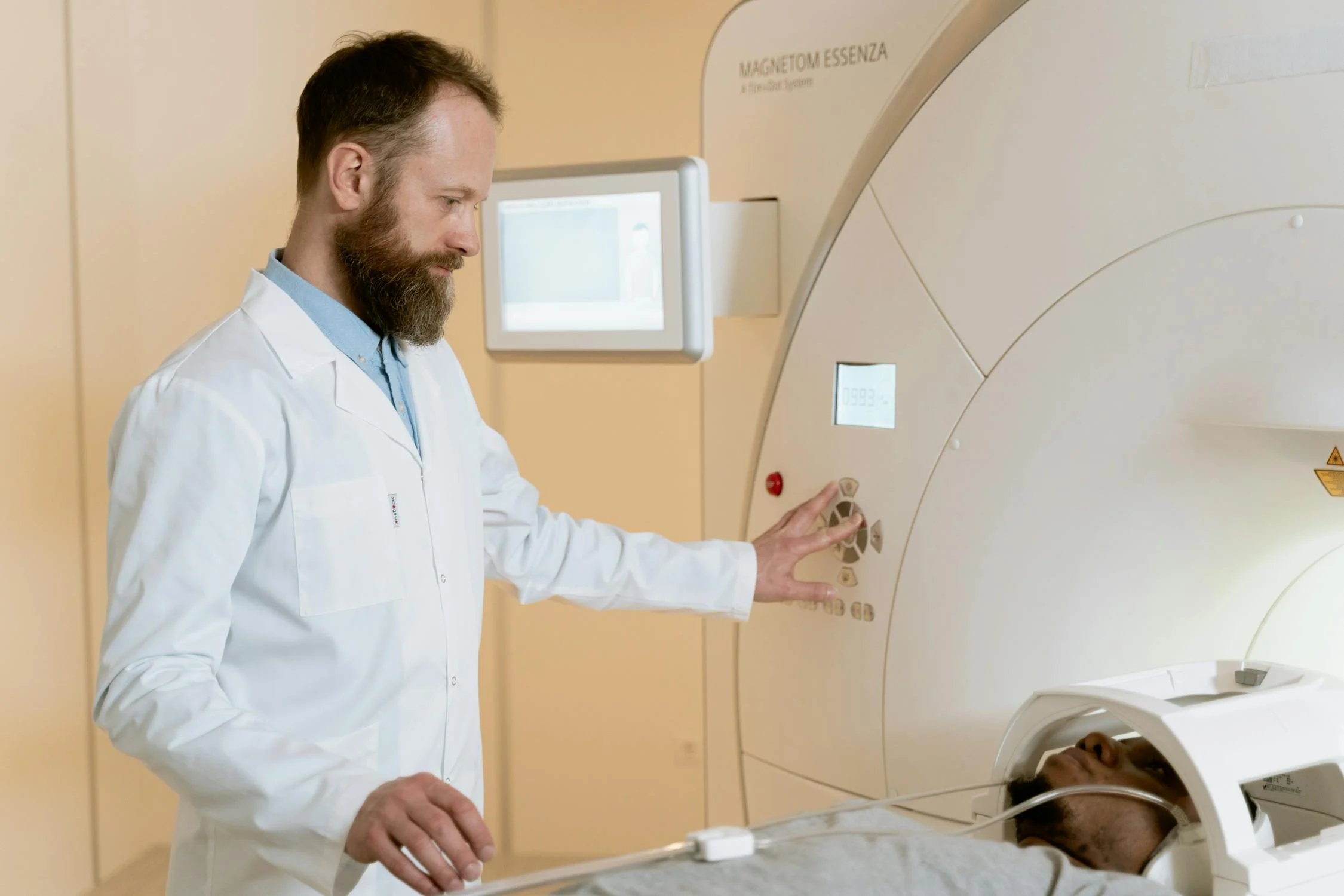
Early detection is life-saving
Imaging tests like mammograms can find breast cancer before it causes any life-threatening symptoms, which makes it easier to treat and increases the chances of a good outcome. Other imaging tests, like CT and MRI scans, can also find tumors, aneurysms, and other problems early on.
Medical imaging helps doctors figure out what's going on inside your body by taking pictures of your insides. This is important for diagnosing things like broken bones, finding out what's causing abdominal pain, or seeing how bad injuries are after an accident. Giving doctors the right medicine quickly helps prevent problems and makes recovery more likely for patients.
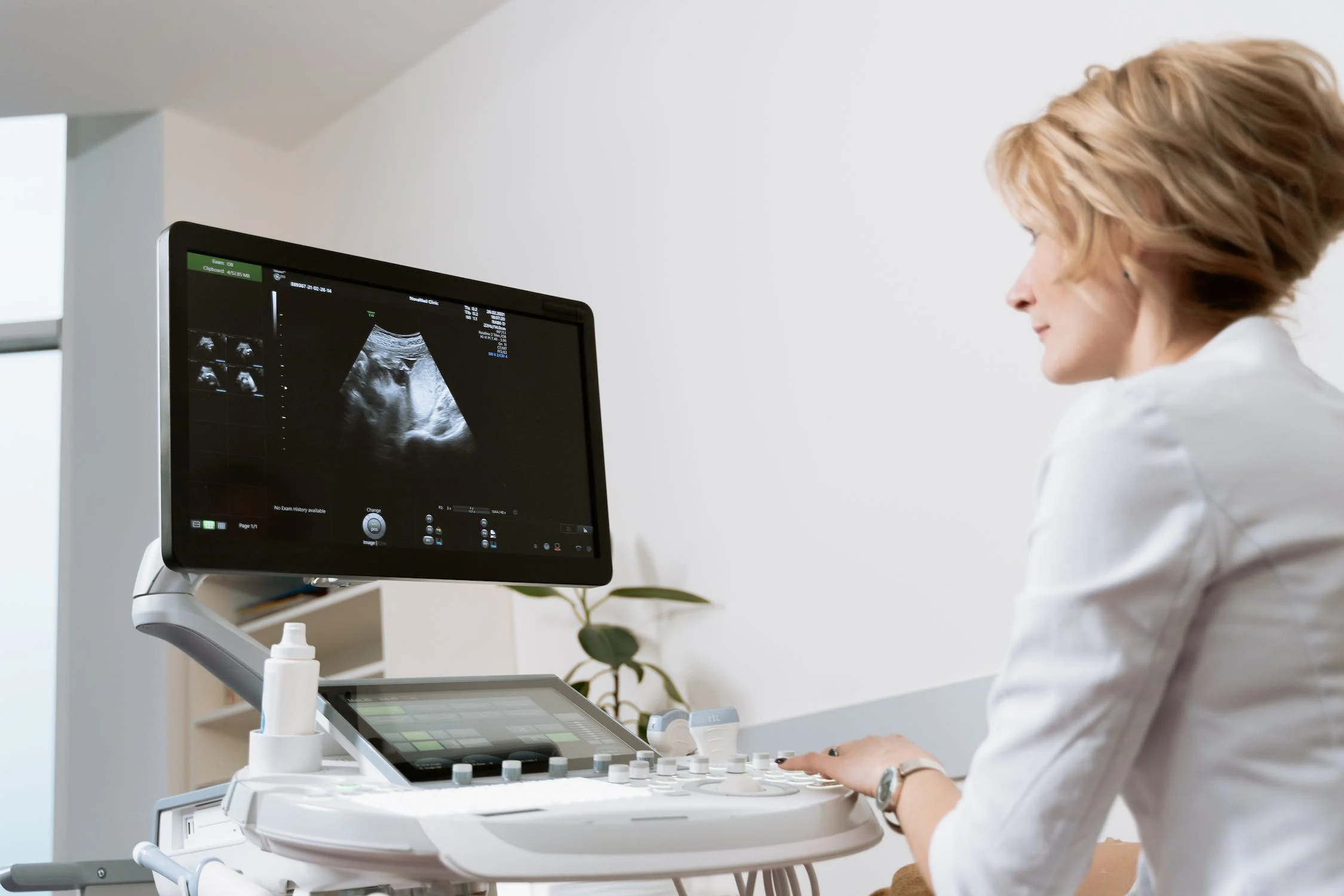
A foundation for treatment
It's necessary to use imaging tests during treatment to track a patient's progress. These tests help doctors see if the tumor is getting smaller or changing shape, check if a broken bone is healing properly, and see if the treatment is working.
Imaging tests are still useful after a diagnosis is made to help guide treatment choices. For example, diagnostic imaging can give doctors a clear view of the damaged area and surrounding tissues, making it easier to plan complex surgeries. It also helps doctors determine the stage of the disease and see how well radiation or chemotherapy is working in treating cancer. Adjustments to the patient's treatment plan can then be made according to the degree of progress that is determined.
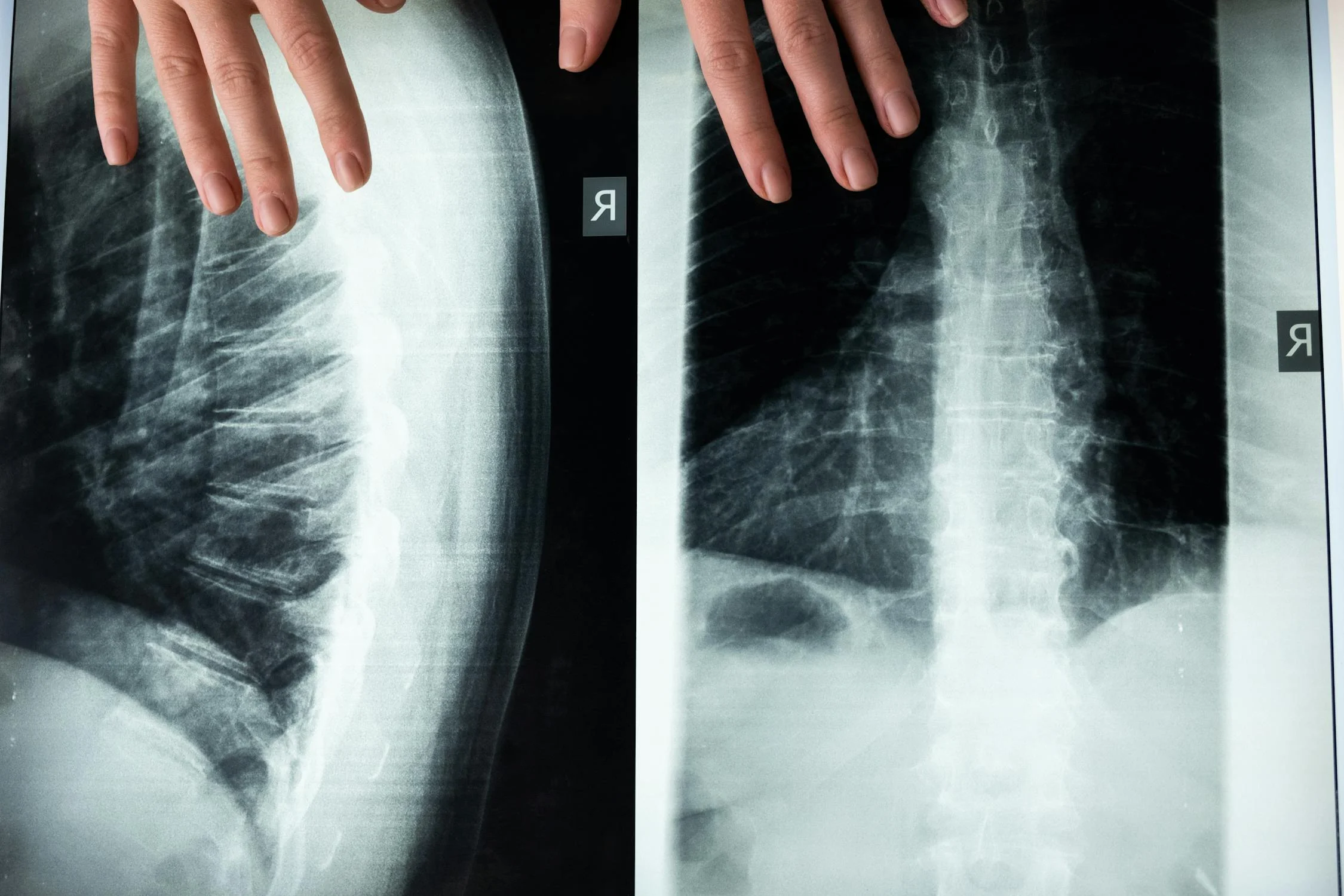
In case of emergency
Imaging tests can help doctors in emergencies to quickly figure out what's wrong with a patient. X-rays, CT scans, and ultrasounds are some of the tests they might use to check for injuries from accidents or trauma. If they diagnose the problem quickly, they can give the patient the right treatment, which can prevent bigger problems and even save lives.