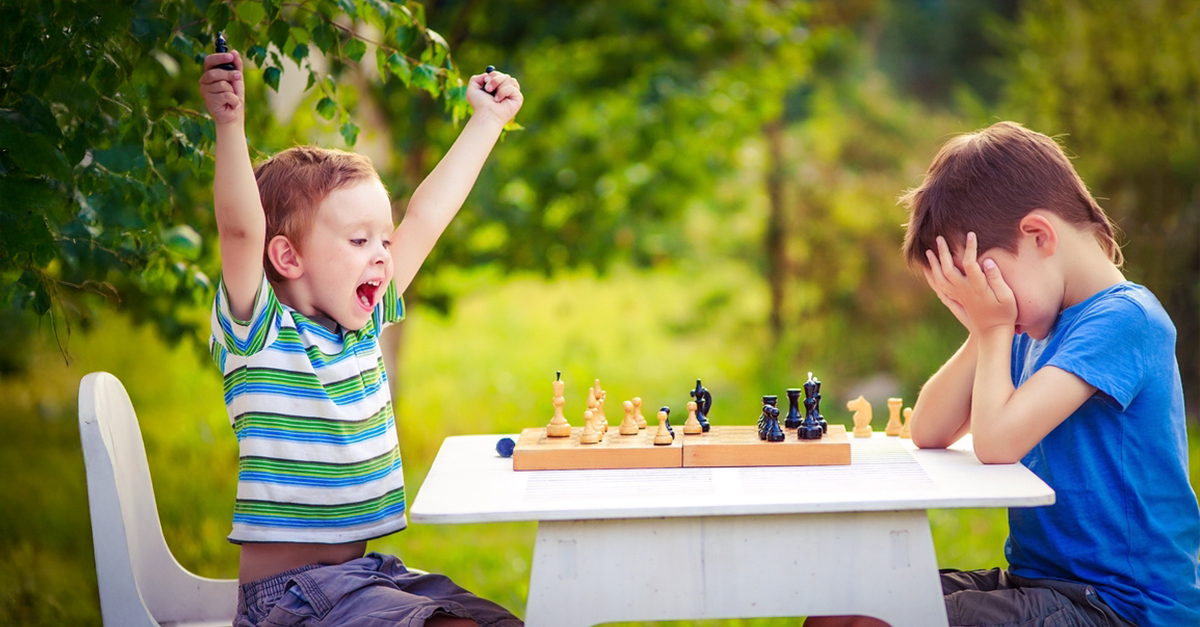
Being competitive is healthy, but not if your child is sulking in defeat, gloating in victory, or even overturning the gameboard in frustration. Teaching kids to handle victory and defeat with grace will help them in school, friendships, and adulthood.
Model The Behavior You Expect From Them
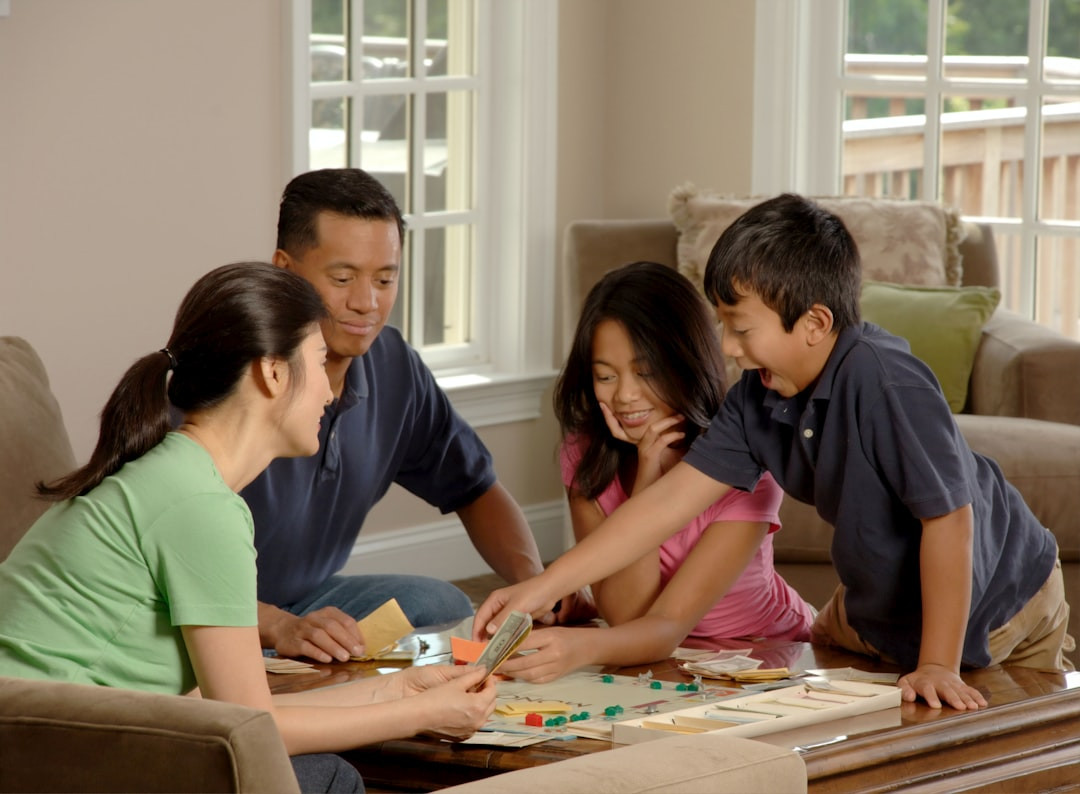
Children learn from your actions more than from your words. If you play games with them, you need to show good sportsmanship, win or lose. Compliment your opponent, smile, and don’t dwell on mistakes. By seeing you handle a game’s outcome calmly, they’ll eventually start to mirror your actions.
 National Cancer Institute, Unsplash
Make Losing A Normal Part Of The Game
Help your child get used to the idea that losing is inevitable, even for the best players. Tell stories about famous athletes, scientists, or artists who failed before they ultimately triumphed. Tell them that every loss is an opportunity to get better, rather than a mark of their worth.
Practice When The Stakes Are Low
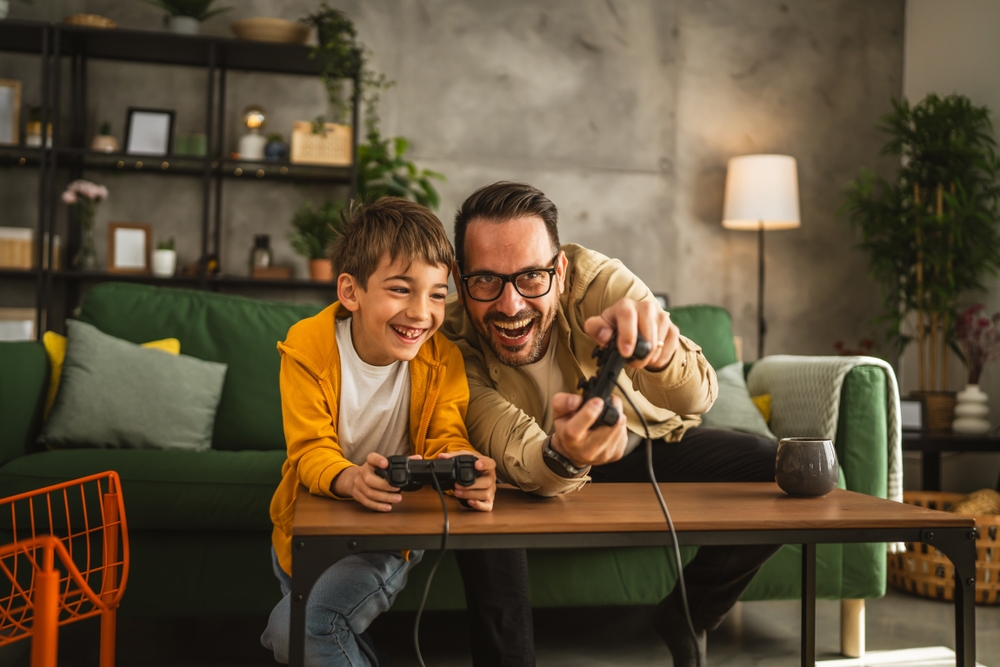
Start with simple, trivial games where the outcome doesn’t matter all that much. This could be a quick board game, a trivia quiz, or a silly relay race. Keep the mood lighthearted and use humor to defuse tension. The goal is to exercise their resilience in a relaxed atmosphere.
 Milijan Zivkovic, Shutterstock
Emphasize Effort Over Results
When you talk about the game, focus on the strategies, any teamwork they showed, or how they improved since last time. This takes the focus away from winning or losing and puts importance on the process, which should hopefully bring about a healthier attitude.
Empathy For Others
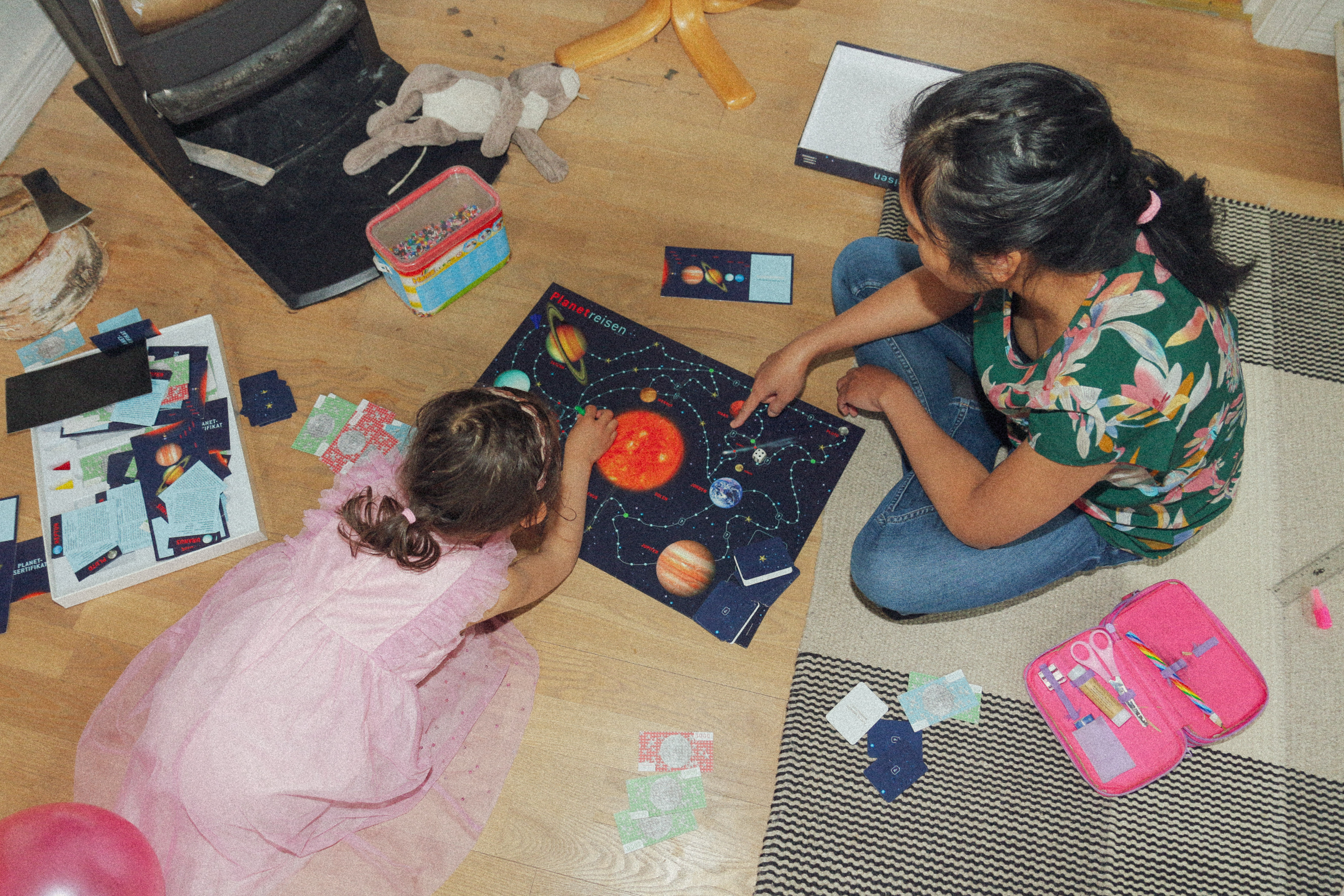
If your child is in the habit of gloating after winning, tell them to imagine how the other player might feel. Suggest an offer of a “good game” handshake or kind word after the game. Help the child understand that this behavior impacts others’ enjoyment, and affects whether others will want to play again in the future. This can help curb arrogant or unsportsmanlike behavior.
 Øyvind Holmstad, Wikimedia Commons
Set Clear Expectations And Boundaries
If your child starts throwing game pieces around or storms off in a huff after losing, calmly explain that that sort of behavior is unacceptable and that you’ll stop playing immediately. Consistency is crucial here; following through on these rules shows them that respectful behavior is part of the rules of any game.
Role-Play Different Scenarios
If you really want to go the extra mile to get the situation fixed, have your child act out how they would react to winning, losing, or blowing a move during a game. Then, talk over which reactions are respectful and which are unwanted or hurt feelings. Act all this out in a playful setting, and it might make a big difference in real situations.
Encourage Healthy Competition In General
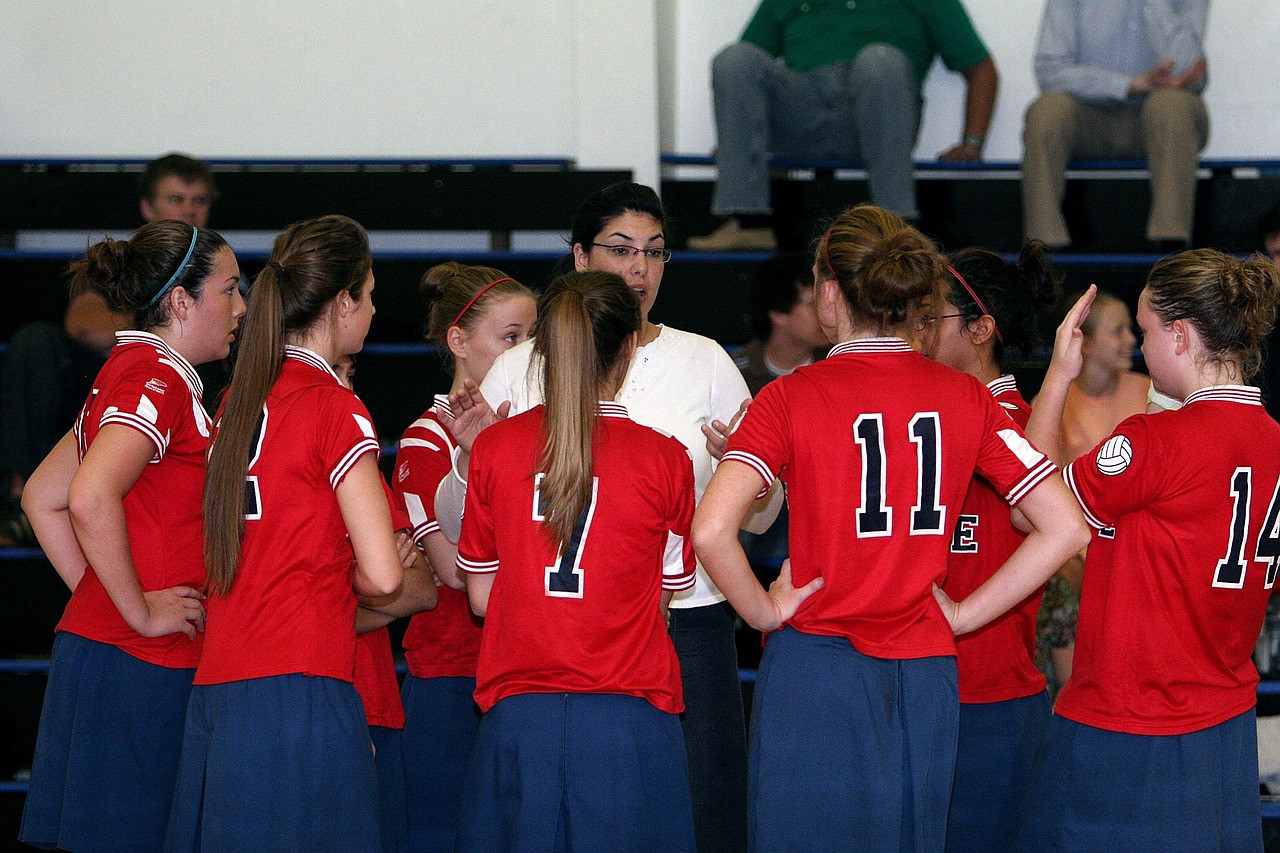
You could enroll the child in activities like sports teams, chess clubs, or debate clubs where coaches and players put maximum value on teamwork and respect. Learning how to handle winning and losing with peers can reinforce the same lessons you instill at home.
Conclusion
Through empathy, practice, and setting clear boundaries and standards, you’ll help your child get over the juvenile phase of hyper-competitiveness and into a healthier, more mature direction. The goal isn’t to snuff out their competitive spirit, but to make sure your child maintains respect, self-control, and the ability to enjoy the game regardless of its outcome.
You May Also Like:
Does Every Child Have The Potential To Become A Prodigy?
Teaching Your Perfectionist Child Not To Sweat The Small Stuff