
Muscle loss, also called muscle atrophy, can happen due to age, insufficient movement, or poor diet. It's important to know how long it takes for muscles to shrink so you can stay healthy and fit. This is true whether you're an athlete taking a break from training or someone who's recovering from an injury.

The muscle mass "half-life"
When we don't exercise regularly, our muscles start to lose mass at an alarming rate. This happens because our body needs exercise to keep our muscles strong and healthy. If we stop exercising, our muscles won't be stimulated and will start to shrink. This process, called detraining, can start as early as two weeks of inactivity. It's important to keep exercising to prevent muscle loss and maintain overall health.
Similarly, taking a long break from resistance training or being physically active causes our bodies to break down muscle tissue for energy. This leads to a loss of muscle mass and strength during the first two weeks of detraining. Scientists have found that this happens because the body doesn't get the signal it needs to build muscle protein when there's no resistance training or physical activity.
Time is your enemy
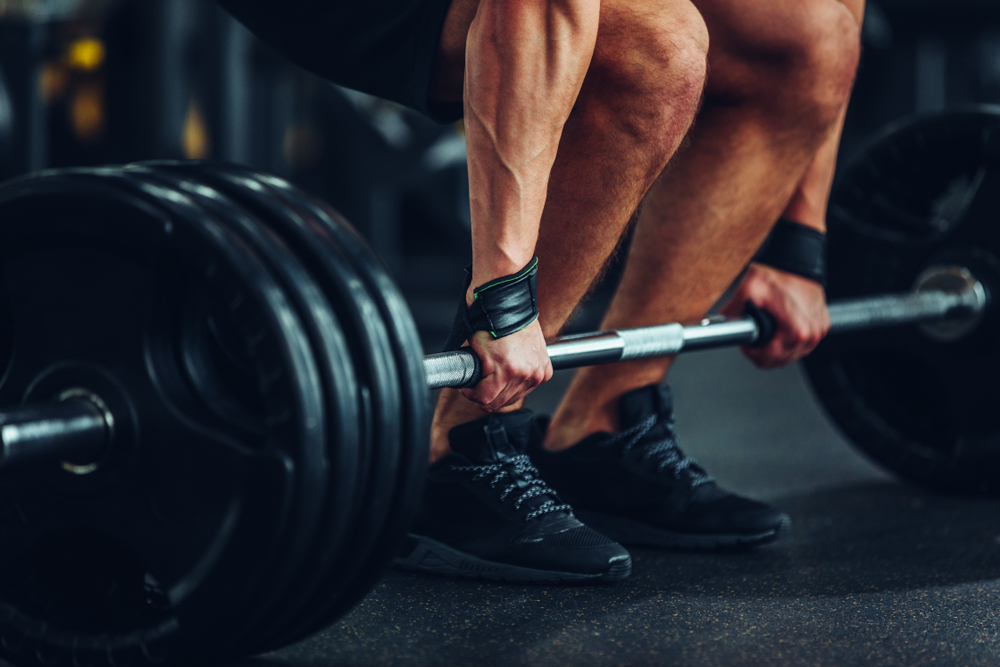
Even worse, the loss becomes accelerated the longer you refrain from exercise. According to a study published in the Journal of Applied Physiology, muscles can lose about 0.5-1% of their mass every day during long periods of inactivity. This means that every day you spend not exercising, you're losing a small percentage of your muscle mass.
That said, it's important to keep in mind that people lose muscle mass at different rates. Age, hormone levels, and overall health can affect how quickly muscle mass decreases when someone is not active. For example, older people tend to lose muscle mass faster than younger people because of changes in their muscle metabolism and hormone levels that come with aging.
Fast-twitch vs. slow-twitch
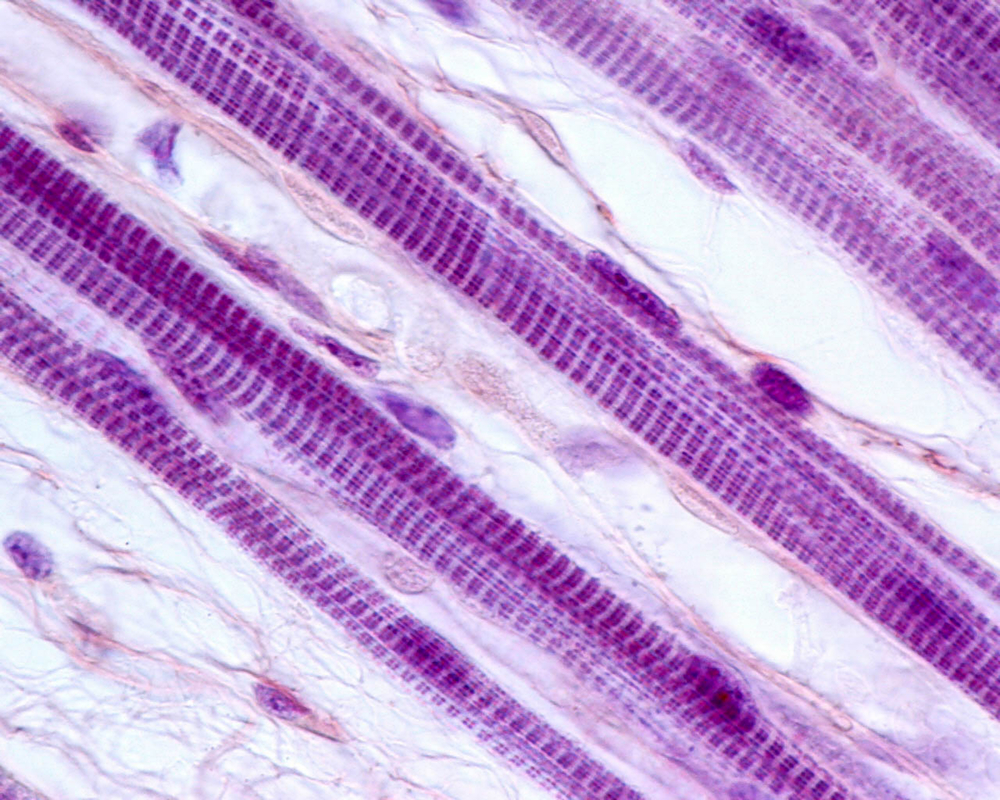
The muscle loss also occurs faster in some types of muscle fibers than in others. Specifically, the fast-twitch muscle fibers, which are good for quick movements and lifting heavy things, tend to lose strength more quickly than the slow-twitch fibers, which are better for endurance and long-distance activities.
But there is good news: Muscle loss doesn't last forever, and your body can start fixing itself once you start exercising again. Lifting weights or doing bodyweight exercises can help your body make more protein and grow stronger muscles. Even better, if you've worked out before, your body will benefit from some degree of "muscle memory" and gaining back your lost muscle will be easier and quicker than if you were to start entirely from scratch.